
Sports
Super Bowl Madness: The Indianapolis Colts vs. The New Orleans Saints


Mark your calendars because February 7, 2010 will mark the start of the infamous Super Bowl Madness! Get out the veggies and dip, but make sure to keep a tab on the number of beers you chug back! As we all know, this full day event can easily lead to unwanted pounds.
The Super Bowl will be held in Miami this year at Dolphin Stadium. The kick off will start at 6:30pm Eastern Time. After a tremendous semi-final fight between the Indianapolis Colts and the New York Jets, and the New Orleans Saints and the Minnesota Vikings, the Colts and the Saints won themselves a spot in the finals.
Both the Colts and the Saints have top-ranked football players, some that have already won a Super Bowl ring in the past, and some that are itching to win their first. With starter quarter backs Peyton Manning of the Colts, and Drew Brees of the Saints, we are bound to see some all around great football. And what about the rookies? Austin Collie from the Colts has amazing speed and needless to say is no sight for sore eyes; and Darren Sharper from the Saints is a ball-hawking safety machine. It will be an ongoing battle between experience and speed. Although the players from the Colts have had much more Super Bowl experience, the Saints have one of the fastest offenses in the NFL. But the Colts also have a defensive line that rely more on speed than size, so the battle between these 2 teams should be legendary.
The half time show for the Super Bowl will headline the legendary rock band The Who, followed by a variety of other great performances. The exposure for a half time show performance is exceptional, and with over 151 million viewers from last year, that number is predicted to increase with over 230 countries broadcasted worldwide.
The Super Bowl for Geeks Guide is another popular feature of the Super Bowl. This is for those that get tuned in solely for the fun, outrageous commercials that are televised throughout the game. CBS has already announced that they sold out all the space they had for advertisers, so you can be guaranteed to be entertained not only by the big game but by all the advertisements as well.
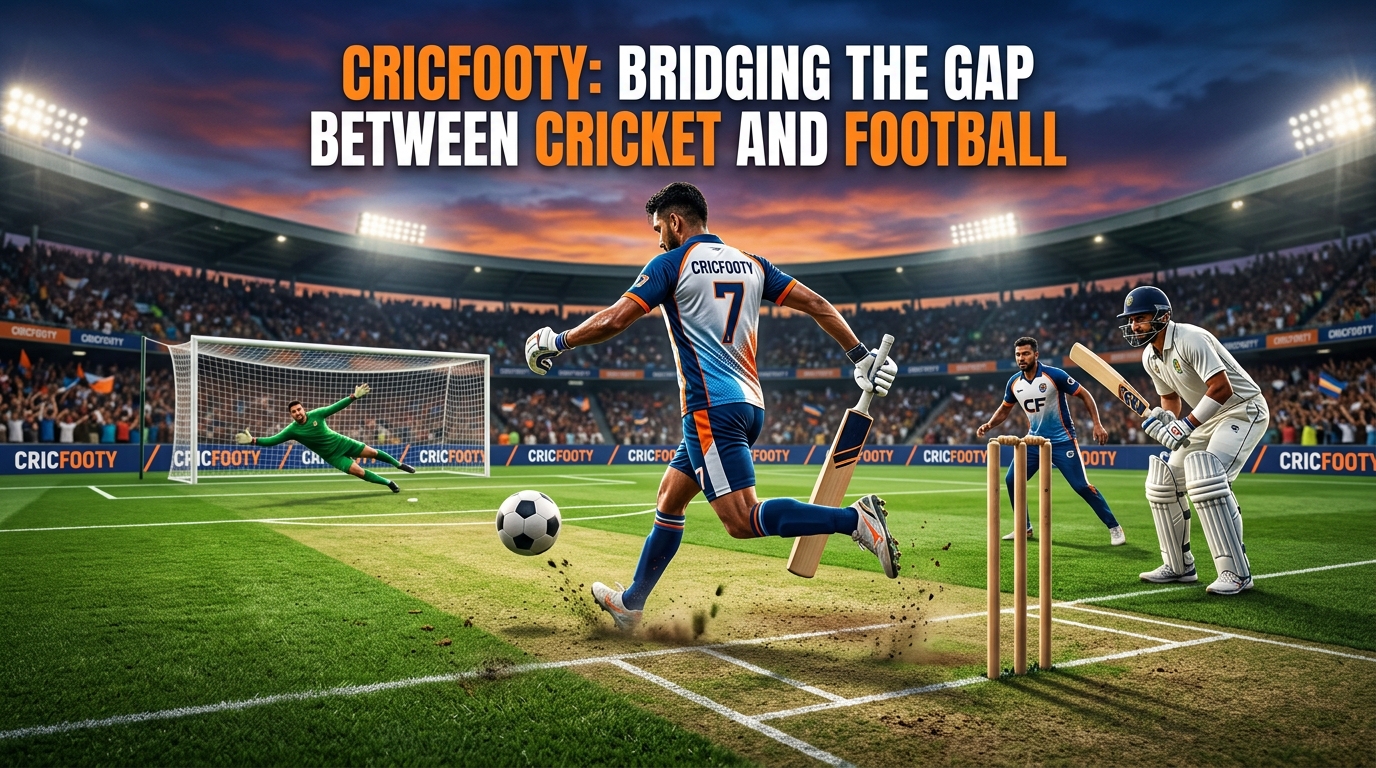
Welcome to the exciting world of cricfooty, where two beloved sports collide! Imagine a game that fuses the strategic finesse of cricket with the adrenaline-pumping thrill of football. It’s an innovative blend that captures the essence of both games while introducing new dynamics and challenges for players and fans alike. Whether you’re a die-hard cricket enthusiast or a passionate football fan, cricfooty offers something unique for everyone. This sport is not just about running, kicking, and hitting; it’s about teamwork, strategy, and embracing the best elements from both worlds. Join us as we dive into what makes cricfooty so special!
What is Cricfooty?
Cricfooty is an innovative sport that fuses the best elements of cricket and football, creating a dynamic game that appeals to fans of both sports. Imagine running down a pitch with a bat in hand while your teammates strategize like they would on a soccer field.
Players use traditional cricket equipment but adapt the rules to incorporate aspects from football, making it fast-paced and exciting. The objective remains similar: score runs while also managing to kick or pass the ball strategically.
This hybrid approach attracts diverse participants, encouraging teamwork, skill development, and sportsmanship across age groups. Enthusiasts are discovering new techniques as they blend batting finesse with agile footwork.
As cricfooty gains traction globally, it’s not just about competition; it’s about community building through shared passion for these beloved games. Whether played casually or competitively, cricfooty brings players together in fresh and exhilarating ways.
The History and Evolution of Cricket and Football
Cricket and football, two of the most beloved sports globally, have rich histories that trace back centuries. Cricket originated in England during the late 16th century. It began as a children’s game before evolving into a sophisticated sport embraced by adults.
Football’s roots are equally fascinating. Variants have been played since ancient times across different cultures, but modern football took shape in England around the mid-19th century with standardized rules emerging from various regional games.
Both sports grew rapidly in popularity during the 19th and early 20th centuries. Cricket flourished through colonial influences while football became a staple among working-class communities.
As they evolved, cricket developed its unique formats like Test matches and T20s, while football saw an explosion of leagues and international competitions. These developments laid the groundwork for today’s global fanbases for both sports.
Similarities and Differences Between Cricket and Football
Cricket and football share a passion that transcends borders. Both sports ignite fervor among fans, creating vibrant communities worldwide.
The playing fields differ significantly. Cricket is played on an oval pitch, while football takes place on a rectangular field. This shapes the gameplay and strategies unique to each sport.
Equipment also sets them apart. Cricketers wield bats and wear pads for protection, whereas footballers rely on their feet and shin guards to navigate the ball. Game duration varies too. A cricket match can stretch over hours or days, unlike the more fast-paced 90 minutes of football action.
Despite these differences, both games require teamwork, skill, and strategy. Players must adapt quickly to evolving situations in both formats. They thrive on athleticism and camaraderie that unite millions around the globe.
How Cricfooty Combines the Two Sports
Cricfooty uniquely brings together the excitement of cricket and football into one dynamic game. It incorporates elements from both sports, creating a thrilling experience for players and spectators alike.
Imagine a field where teams can score using both runs and goals. Players pass the ball like in football while also utilizing cricket techniques during key moments. The gameplay is fast-paced, requiring skills from both disciplines.
The combination allows for strategic plays that keep everyone on their toes. A well-timed kick can lead to a run-out, or an overhead catch may set up for an incredible goal attempt.
This blend encourages teamwork and fosters creativity as players adapt their strategies on the fly. With such versatility, Cricfooty captures the essence of its parent games while carving out its own identity in the sports world.
Benefits of Playing Cricfooty
Playing Cricfooty offers a blend of fitness and fun. The combination of cricket’s precision with football’s agility promotes overall physical health. Players develop strength, speed, and endurance in an engaging way.
Social interaction is another key benefit. Teams foster camaraderie among players, allowing friendships to flourish on and off the field. This community aspect makes every match enjoyable.
Cricfooty also enhances coordination and strategic thinking. Players must adapt their skills quickly as they navigate different gameplay elements from both sports. This keeps the mind sharp while improving reflexes.
Moreover, it’s an inclusive sport suitable for all ages and skill levels. Newcomers can learn easily while experienced athletes find new challenges.
Participating in Cricfooty provides a sense of achievement as players master unique techniques blending two beloved games into one exhilarating experience.
Cricfooty Leagues and Tournaments Worldwide
Cricfooty has gained traction globally, with leagues and tournaments sprouting in various countries. These competitions blend the strategic elements of cricket with the fast-paced nature of football.
In Australia, local clubs have started hosting weekend events that draw players from both sports. This format encourages collaboration and excitement among fans.
India is witnessing a rise in popularity too. Schools are organizing inter-school cricfooty matches to promote teamwork and skills development among young athletes.
Countries like South Africa and England also embrace this hybrid sport through community tournaments. Players enjoy showcasing their talents while fostering camaraderie between different sporting cultures.
Each league features unique rules, promoting creativity within gameplay while maintaining a competitive spirit. Enthusiasts can always look forward to thrilling matches across continents as cricfooty continues to flourish on the international stage.
How to Get Involved in Cricfooty
Getting involved in Cricfooty is easier than you think. Start by researching local clubs or organizations that promote this hybrid sport. Many communities have embraced it, creating opportunities for players of all skill levels.
If you’re new to both cricket and football, consider attending a beginner’s workshop. These sessions often focus on the fundamentals of each game while highlighting how they merge in Cricfooty.
Joining online forums can also be beneficial. Engage with passionate players who share tips and experiences. Social media platforms frequently feature groups dedicated to Cricfooty where you can connect with like-minded enthusiasts.
Don’t hesitate to organize informal matches with friends or family members. It’s a fun way to learn the game and enjoy some friendly competition.
Keep an eye out for upcoming tournaments in your area; participating in these events can significantly enhance your skills while contributing to the growth of this exciting sport.
The Future of Cricfooty
The future of cricfooty looks promising as it continues to capture the interest of sports enthusiasts around the globe. With increasing globalization, this unique blend of cricket and football is likely to gain traction in regions where both sports are already popular.
As more leagues and tournaments emerge, we can expect a growing fanbase eager for new experiences. The innovative gameplay could attract younger players looking for an exciting alternative to traditional formats.
Technological advancements will also play a significant role. Enhanced broadcasting options and social media engagement can help promote matches and create vibrant online communities around cricfooty.
Grassroots initiatives will be crucial too. Schools incorporating cricfooty into their physical education programs might spark early interest among children, fostering talent from a young age. With creativity at its core, cricfooty has the potential to reshape how we view team sports in the years ahead.
Conclusion
Cricfooty stands at the exciting intersection of two beloved sports. It captures the essence of both cricket and football, creating a unique experience for players and fans alike.
The fusion opens up new avenues for athleticism and strategy. Players can enjoy diverse skills while participating in a vibrant community that celebrates both games.
As interest in cricfooty grows, it inspires innovations in gameplay and promotes inclusivity among different fanbases. With leagues sprouting around the globe, there’s never been a better time to dive into this thrilling hybrid sport.
Embracing cricfooty means embracing creativity on the field, forging connections beyond traditional boundaries between cricket and football lovers. This blend is not just about competition; it’s about camaraderie and fun shared by enthusiasts everywhere.
FAQs
Cricfooty is a fascinating fusion of two beloved sports: cricket and football. This hybrid game has captured the hearts of many, creating an exciting platform for athletes who cherish both disciplines.
What exactly does Cricfooty entail? Players engage in a combination of cricket and football rules, resulting in a dynamic format that emphasizes teamwork, skill, and strategy. The origins of this sport can be traced back to various informal games where enthusiasts sought to merge their passion for both sports.
While cricket focuses on precision bowling and batting techniques, football thrives on speed and agility. Yet, they share similarities such as team spirit and competitive play that make Cricfooty uniquely appealing.
The merging of these two athletic worlds creates an exhilarating experience for players. Imagine dribbling past opponents only to deliver a perfectly timed lofted ball toward the wicket! It’s all about creativity while maintaining traditional elements from each sport.
Playing Cricfooty offers numerous benefits including improved fitness levels due to its high-energy nature; enhanced coordination through mixed skills; and increased social interaction among diverse groups unified by their love for sports.

In an era where technology and sports intertwine more than ever, a new player has emerged on the field—Crypto30x. This innovative platform is not just about digital currency; it’s set to transform how fans engage with their favorite teams. With AC Milan leading the charge, this partnership promises to reshape fan experiences in thrilling ways. Imagine being part of a community that allows you to interact directly with your club through cryptocurrencies. The future of fan engagement is here, and Crypto30x.com ac milan is at the forefront of this exciting evolution. Let’s dive deeper into what makes this collaboration so groundbreaking and explore its impact on both fans and the beloved sport itself.
What is Crypto30x.com ac milan?
Crypto30x.com ac milan is an innovative platform designed to blend the worlds of cryptocurrency and sports fandom. It offers AC Milan supporters a unique way to engage with their favorite football club through digital assets.
Fans can access exclusive content, merchandise, and experiences by using cryptocurrencies on this platform. This integration opens up new avenues for interaction, allowing enthusiasts to feel more connected than ever before.
By leveraging blockchain technology, Crypto30x creates transparency in transactions while fostering a sense of community among fans. The site not only serves as a marketplace but also enhances loyalty programs tailored specifically for AC Milan followers.
This approach represents a significant shift in how clubs interact with their fan base. With Crypto30x.com ac milan, supporters are no longer passive spectators; they become active participants in the club’s journey.
The Rise of Cryptocurrencies and their Impact on Sports
The rise of cryptocurrencies has sparked a new wave of innovation across various industries, and sports is no exception. With blockchain technology at its core, digital currencies have started to reshape how fans interact with their favorite teams.
Fans can now purchase tickets, merchandise, and even exclusive experiences using cryptocurrencies. This shift allows for greater flexibility in transactions while tapping into the tech-savvy audience that values digital assets.
Additionally, the transparency offered by blockchain enhances trust between clubs and their supporters. Transactions are securely recorded and easily verifiable, reducing fraud risks associated with traditional payment methods.
Moreover, partnerships between sports organizations and cryptocurrency platforms are becoming more common. These collaborations not only drive revenue but also create unique fan engagement opportunities through tokens or NFTs linked to specific events or memorabilia. As this trend grows, it’s clear that cryptocurrencies will play an integral role in shaping the future landscape of sports fandom.
The Partnership between AC Milan and Crypto30x
The partnership between AC Milan and Crypto30x is a game changer in the sports world. By joining forces, they blend the excitement of football with cutting-edge technology.
Crypto30x brings innovative cryptocurrency solutions to fans. This collaboration allows supporters to engage like never before. Imagine being part of exclusive events or gaining access to unique merchandise through your crypto wallet.
AC Milan’s global reach complements Crypto30x’s vision perfectly. Together, they aim to create a vibrant community around the club. Fans will benefit from new ways to connect while enjoying their passion for football.
This alliance signals a shift in how clubs interact with their fanbase. As digital currencies gain traction, AC Milan embraces this trend wholeheartedly. The future looks bright as both brands explore uncharted territories together.
How Crypto30x is Revolutionizing Fan Engagement
Crypto30x is transforming the way fans interact with their favorite football club. By leveraging blockchain technology, it provides a seamless platform for engagement.
Fans can now purchase exclusive digital assets linked to AC Milan. These tokens come with unique perks that enhance the overall fan experience. Imagine owning a piece of your team’s history or enjoying access to special events and merchandise.
The platform allows supporters to vote on certain club decisions through token-based voting systems, giving them a real voice in matters that matter most. This level of involvement strengthens the bond between fans and players alike.
Additionally, Crypto30x enables instant communication channels where fans can share opinions, celebrate victories, or discuss strategies. It brings together a diverse community united by passion and loyalty towards AC Milan.
Through innovative features like augmented reality experiences during matches, this partnership elevates traditional fandom into an interactive adventure that resonates deeply within each supporter’s heart.
Benefits for Fans and the Club
The partnership between Crypto30x.com and AC Milan brings a wealth of benefits for both fans and the club. Fans now have an interactive platform to engage with their favorite team like never before. This connection fosters a sense of belonging, allowing supporters to participate in exclusive events and promotions.
For AC Milan, collaborating with Crypto30x enhances brand visibility in the digital landscape. It opens new revenue streams through cryptocurrency transactions and fan engagement initiatives. This innovative approach attracts tech-savvy fans who appreciate modern solutions.
Moreover, by integrating blockchain technology, transparency increases in ticket sales and merchandise transactions. Fans can trust that they are getting genuine products while enjoying a seamless purchasing experience.
In return, when fans feel valued and engaged, loyalty strengthens. A more passionate fanbase translates into greater support during matches both at home games and online forums.
Challenges and Future Possibilities
Despite the promising landscape, challenges loom for Crypto30x and AC Milan. Regulatory hurdles are one major concern. As laws evolve, navigating compliance can prove complex.
Security is another critical issue. With cyber threats on the rise, ensuring that fan transactions remain safe is paramount. Trust hinges on robust security measures.
Adoption rates pose an additional obstacle. While cryptocurrencies gain traction globally, some fans may still hesitate to engage with digital assets. Education will be vital in bridging this gap.
Looking ahead, opportunities abound for innovation in fan engagement through technology integration. Enhanced experiences like virtual reality match days could redefine how supporters interact with their favorite team.
Moreover, partnerships with other tech companies might foster creative solutions to enhance user experience further. Embracing these possibilities can solidify Crypto30x’s role at the forefront of sports and digital currency synergy.
Conclusion
As the digital landscape continues to evolve, platforms like Crypto30x.com are leading the charge in transforming how fans interact with their favorite sports teams. The partnership between and Crypto30x.com ac milan not only signals a shift towards embracing technology but also highlights the potential of cryptocurrencies within the sports world.
Fans now have unprecedented opportunities for engagement, whether it’s through exclusive content, unique merchandise, or immersive experiences that enhance their connection to the club. While challenges remain such as educating fans about cryptocurrency and navigating regulatory environments the path forward is filled with exciting possibilities.
The future looks promising as both AC Milan and Crypto30x push boundaries in fan interactions. This collaboration may set a precedent for other clubs around the globe to follow suit, ushering in a new era where digital currencies play a pivotal role in shaping sports fandom.

A study of physical demands based on a player’s position
The Physical Demands of the FA Premier League Soccer Player
In Britain an interesting study took place that was designed to evaluate the physical demands of English Football Association (FA) Premier League soccer of three different positional classifications (defender, midfielder and striker).
The English Premier League represents the crème de la crème as it is the top-level soccer league in England and many of its professional players also play for their respective countries in International play and the World Cup. The data collected and analyzed from this study arguably couldn’t have come from a better pool of subjects.
Computerized time-motion video-analysis using the Bloomfield Movement Classification (Motion Analysis of Individual Players in Dynamic Movement Sports) was undertaken on the purposeful movement (PM) performed by 55 players. These 55 players were comprised of 18 defenders, 18 midfielders and 19 strikers. The players were taken from 12 different teams, and all players had a mean number of 36.35 ± 25.21 full international appearances for their respective countries at the time of the study.
The Data
The data was collected during the 2003-2004 season from publicly televised matches (Sky Sports, British Sky Broadcasting Group, UK). An individual PlayerCam throughout the game observed each player. Each player had to have played the full 90 minutes without more than 30 seconds stoppage at any given time.
The Results
The final results of the study were interesting and may provide some useful insight on training for the 3 distinct position types in soccer. Less than half of ‘purposeful movement’ was performed in a forward direction. All the players executed the different types of movement with variations in intensity; they also perform many turns during maneuvers.
Notable differences exist between midfielder, striker and defender:
The Defender
Defenders performed the highest amount of jogging, skipping and shuffling movements and spent a significantly less amount of time sprinting and running than the other positions. As with strikers, defenders fall to the ground the most and are required to get up quickly. The defender especially the center back performs a high amount of jumping (heading the ball), though compared to the striker the defender is more often jumping backwards than forwards. Defenders also need to be strong to compete with the striker.
The Midfielder
Engaged in far less time standing still and shuffling, the midfielder spent the most time running and sprinting. It was previously found that midfield players covered the largest overall distances during matches (O’Donoghue, 1998; Reilly and Thomas, 1976; Rienzi et al., 2000).
It was also shown that there were lower levels of shuffling movements and high levels of possession actions in midfielders. This is in contrast to the strikers who had a high level of possession actions as well and nearly the same amount of sprinting but executed a significantly higher level of shuffling movements than midfielders. This observation may reflect upon the different spatial and time demands of game-play for these positions.
It was also noted that it is important for Midfielders perform vertical jumps well.
The Striker
Strikers may need to be the physically strongest players on the pitch as they were found to be involved in the most physical contact at high intensity. Effectiveness in pushing and pulling activities dealing with the upper body in addition to having the ability to withstand being pushed and pulled is advantageous. Strikers were also seen to have higher levels of sudden stopping at high intensity as well as weaving and slowing more rapidly. These activities produce shearing forces on the lower limbs and appropriate strength training and prehabilitation practices should be followed.
-

 Entertainment5 months ago
สล็อต pg368.net: The Ultimate Guide to Online Slot Gaming
-

 Blog4 months ago
Culinary Delights Around Маријин Трг: Where to Eat and Drink
-

 Tips & guides5 months ago
Jipinfeiche: A Deep Dive into Its Origins and Significance
-

 Sports5 months ago
The Physical Demands of the Soccer Player
-

 Entertainment5 months ago
What’s Your Favorite Sport?
-

 Sports5 months ago
Sport Specific Training: Soccer
-

 Entertainment5 months ago
Albfilm24: How It Stands Out in a Sea of Streaming Services
-

 Tips & guides5 months ago
Navigating faqvehicle .com: A Comprehensive Guide to Vehicle FAQs