
Lifestyle
Fitness For New Moms


Becoming a new mother is certainly one way to incorporate more exercise into your life! From lifting to bending, to picking up items, to carrying, seems like you never have a chance to sit still now that your precious bundle has arrived!
However, Fitness you may be feeling the need to exercise to get back into shape after your pregnancy. There is no need to join an expensive club, though. Start by exercising with your little one!
One of my favorite exercises when my niece was born was dancing with her. We swayed to Mozart, twirled to 50s tunes, and rocked gently to lullabies. Consequently, I became more fit, and Sarah has learned to appreciate all kinds of music.
Simply lifting your baby up and down and saying the words, up & down give your arms a mini workout and help your baby learn! Thats right! Talking and moving help increase babies IQ! So sing to your baby, tell him or her that you’re moving left, right, over, under, around, etc.
Purchase a sturdy stroller and take your baby out for a walk each day. The fresh air will be beneficial to you both, and its another great way to introduce your child to the objects around the neighborhood. You do want to make sure your stroller doesn’t jiggle too much as it’s not much fun pushing a stroller and ending up with numb hands (like you’re pushing a lawn mower!). A quality stroller will help you want to go for more walks with your baby!
As your baby grows, he’ll mimic your movements. This is a fun time to incorporate some silly movement games into your exercise session. Watching her trying to do exactly what you do brings tears of joy and much laughter!
As you can see, exercising with a baby is not only possible, but loads of fun as well. It’s a time to bond, teach, and take care of yourself and your little one. One day soon you’ll be telling your school age child about all the fun you both had exercising together when he/she was a baby. And yes, it will happen quicker than you ever dreamed!

If you’re a dog lover, you know that every moment spent with your furry companion is more than just time—it’s an adventure. One breed that has captured the hearts of many is the Asa Danes. Known for their gentle temperament and affectionate nature, these dogs make perfect partners for all sorts of activities. Whether you’re looking to explore new trails or simply enjoy a cozy day at home, there are endless ways to bond and create lasting memories with your four-legged friend. Let’s dive into the world of Asa Danes and discover how to enrich both your lives through fun experiences together!
What is Asa Danes?
Asa Danes is an intriguing breed that captures the hearts of dog lovers everywhere. Known for their elegant stature and striking appearance, these dogs are a blend of grace and strength.
Originating from a lineage marked by nobility, Asa Danes possess an aura of dignity. Their large size can be intimidating at first glance, but they have gentle souls beneath their impressive exterior.
These dogs thrive on companionship and loyalty. They are not just pets; they become cherished family members.
With a playful yet calm demeanor, Asa Danes adapt well to various lifestyles. Whether you live in a bustling city or a serene countryside, they fit right in with love and care.
Their intelligence makes them trainable but requires consistent guidance. The bond you build with an Asa Dane is truly special—a relationship filled with joy and connection.
The Benefits of Owning a Dog
Owning a dog brings joy and companionship. These furry friends are more than pets; they become part of the family.
Dogs encourage an active lifestyle. Daily walks or playtime in the park get you moving. This not only keeps your pup happy but benefits your health too.
They provide emotional support, often sensing our feelings before we do. Their unconditional love can lift spirits on tough days.
Caring for a dog teaches responsibility, especially for children. It’s a great way to instill values like empathy and commitment from an early age.
Social interactions increase as well—dog parks, training classes, or simply walking around the neighborhood invite conversations with fellow dog lovers.
Dogs have been shown to reduce stress levels. Their playful antics and loving nature bring smiles even during hectic moments in life.
Fun Activities for You and Your Dog
Exploring the outdoors is a great way to bond with your dog. Take them on a hike and enjoy nature together. Dogs love sniffing around new trails, making it an adventure for both of you.
Consider setting up playdates with other dogs. Socializing can help them develop better behavior while having fun running around with their furry friends.
If you’re looking for something more structured, try agility training. It’s engaging and offers mental stimulation as they navigate through obstacles.
Don’t forget about beach days! Many dogs adore water, so let them splash around or fetch sticks from the shore.
Cozy evenings at home can be enjoyable too. Snuggle up for movie nights featuring canine-centric films—just don’t forget the popcorn (for yourself).
Dog-Friendly Travel Destinations
Exploring the world with your dog can be an unforgettable experience. Many destinations cater specifically to furry friends, ensuring everyone has a good time.
Consider visiting national parks like Yosemite or Acadia, where leashed dogs are welcome on many trails. The stunning scenery will leave both you and your pup in awe.
Beaches are another great option. Places like Carmel-by-the-Sea in California have dog-friendly shorelines where pups can run free and splash around in the waves.
For urban adventures, cities such as Portland and Austin boast numerous dog parks and pet-friendly cafes. You can enjoy local cuisine while your furry friend relaxes beside you.
Remember to check for accommodations that allow pets. Many hotels now offer special amenities for dogs, making travel even easier! With some planning, traveling with your four-legged companion becomes a delightful adventure full of shared memories.
Tips for Training and Bonding with Your Dog
Training your dog can be a rewarding experience for both of you. Start with basic commands like sit, stay, and come. Use positive reinforcement techniques, such as treats and praise. This helps build trust between you.
Consistency is key in training sessions. Keep them short but frequent to maintain your dog’s interest and focus. Always end on a positive note to encourage excitement for the next session.
Bonding goes hand-in-hand with training. Spend quality time together through playtime or simple walks around the neighborhood. This deepens your connection.
Engage in activities that stimulate both mind and body, like puzzle toys or agility courses. These not only challenge your dog but also strengthen your relationship.
Remember to be patient during this process; every dog learns at their own pace. Celebrate small victories along the way, making each moment count.
Common Misconceptions About Certain Dog Breeds
Many people hold misconceptions about specific dog breeds, often leading to unfair judgments. For example, Pit Bulls are frequently labeled as aggressive. In reality, their behavior largely depends on training and socialization.
Another common myth revolves around Chihuahuas being yappy or mean. These tiny dogs can be loving companions when raised in a nurturing environment.
Labrador Retrievers are sometimes seen as hyperactive and difficult to train. With consistent guidance and exercise, they blossom into well-mannered pets.
Additionally, Greyhounds are often viewed as high-energy race dogs. Surprisingly, they enjoy lounging at home just as much as running.
Understanding each breed’s unique traits helps dispel these myths. Every dog is an individual shaped by its experiences and upbringing rather than mere genetics alone. Embracing this perspective allows for deeper connections with our furry friends.
Enjoying Life with Your Furry Companion
Life with your furry companion is an adventure filled with joy. Every wag of the tail brings a new opportunity for fun and connection.
Whether it’s a leisurely walk in the park or an energetic game of fetch, every moment spent together strengthens your bond. Dogs have a special way of making even mundane tasks feel exciting.
Sharing experiences deepens mutual trust and understanding between you and your dog. Explore new trails, visit dog-friendly cafes, or simply enjoy some quality time at home while cuddling on the couch.
Creating memories is what matters most. Your dog thrives on routine, but introducing variety can keep both of you engaged and happy. Consider rotating activities to keep things fresh.
Celebrate those small victories—like mastering a new trick or achieving that perfect sit! Embrace each day as another chance to make lasting memories with your loyal friend by your side.
Conclusion
Asa Danes are more than just pets; they become an integral part of your family. The joy and companionship they bring to our lives is truly unmatched. Engaging in fun activities with your four-legged friend not only strengthens the bond you share, but it also enhances their physical and mental well-being.
By exploring dog-friendly travel destinations, you create memorable experiences that both you and your Asa Dane will cherish forever. Training sessions can be a wonderful way to communicate better while deepening the connection between you two.
It’s essential to dispel common misconceptions about certain breeds, as understanding their unique traits leads to more fulfilling relationships. Embrace every moment spent with your furry companion—they offer loyalty, love, and endless fun.
So grab that leash or pack up for a weekend getaway; adventures await! Making time for enjoyable activities ensures a happy life filled with wagging tails and joyful barks alongside yours.
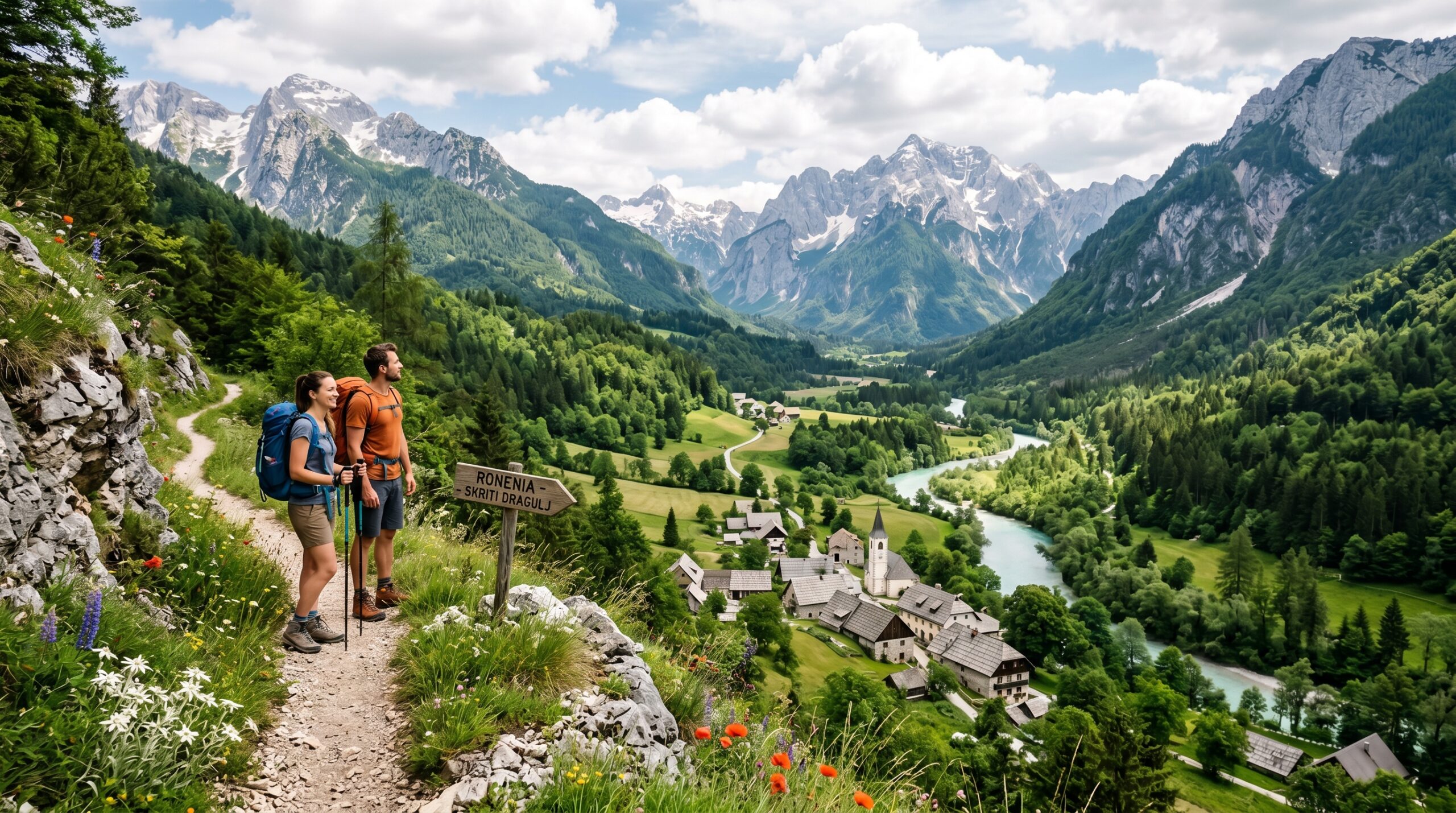
Nestled away from the typical tourist trails lies Ronenia, a hidden gem waiting to be discovered. This enchanting destination is where nature thrives and adventure calls at every turn. Imagine lush landscapes, serene lakes, and vibrant wildlife all wrapped in a tapestry of rich culture and tradition. For those seeking an escape from the ordinary, Ronenia offers an experience that is both refreshing and exhilarating.
Whether you’re an outdoor enthusiast or someone who simply wants to unwind in tranquil surroundings, Ronenia has something for everyone. It’s not just a place; it’s an invitation to explore the beauty of the wild while immersing yourself in unique local flavors. Get ready to uncover this extraordinary location that promises unforgettable memories!
What is Ronenia?
Ronenia is a captivating destination nestled in the heart of nature. This hidden gem boasts stunning landscapes, vibrant flora, and an array of wildlife that enchants visitors year-round.
Rich in culture and history, Ronenia offers a unique blend of traditions waiting to be explored. The locals are known for their warm hospitality, eager to share stories passed down through generations.
The region’s natural beauty is nothing short of breathtaking. Towering mountains frame lush valleys, while serene rivers wind their way through picturesque villages.
Adventure seekers will find plenty to thrill them here. From hiking trails that lead to panoramic views to tranquil spots perfect for reflection, Ronenia caters to every type of traveler.
Whether you’re looking for solitude or camaraderie with fellow explorers, this enchanting locale has something special just for you.
Top must-visit destinations in Ronenia
Ronenia is a treasure trove of stunning locales waiting to be explored. Start with the breathtaking Eldergrove Forest. Towering trees and winding paths offer an escape into nature’s embrace.
Next, head to Crystal Lake. Its shimmering waters reflect the sky, creating an oasis perfect for relaxation or picnicking. Don’t miss the charming village of Willowbend. Quaint shops line its cobblestone streets, making it ideal for leisurely strolls while soaking in local culture.
For history buffs, visit Greystone Castle. This majestic structure tells tales of Ronenia’s rich past and offers guided tours that illuminate its fascinating stories.
Climb Serpent’s Peak for panoramic views that will leave you speechless. The hike is invigorating, rewarding adventurers with sights they won’t soon forget. Each destination in Ronenia uniquely captures the essence of this hidden gem waiting to be discovered.
Outdoor activities and adventures in Ronenia
Ronenia boasts a stunning landscape that beckons adventurers. The vast, untouched forests offer trails for hiking enthusiasts of all levels. Each path reveals breathtaking vistas and secret spots perfect for picnics.
For thrill-seekers, rock climbing in the rugged cliffs provides an adrenaline rush like no other. These natural formations challenge even seasoned climbers while rewarding them with spectacular views from the top.
Water lovers can indulge in kayaking along crystal-clear rivers. Paddle through serene waters surrounded by lush vegetation and vibrant wildlife. Cycling is another popular option here, with winding paths that cater to both leisurely rides and intense mountain biking experiences.
Fishing enthusiasts will find plenty of opportunities to cast their lines into tranquil lakes teeming with fish. Whether you’re seeking peace or excitement, Ronenia’s outdoor offerings create unforgettable memories amidst nature’s beauty.
Unique culinary experiences in Ronenia
Ronenia is a haven for food lovers seeking something different. The local cuisine reflects the rich tapestry of cultures that influenced its development.
One must-try dish is the Ronenian stew, which blends fresh herbs and seasonal vegetables with tender meats. Each bite tells a story of tradition and passion.
Street food stalls offer delightful snacks like crispy dumplings filled with savory fillings. These quick bites are perfect for those on the go or looking to savor local flavors in an informal setting.
Don’t miss out on artisanal cheeses made from locally sourced milk. Pair them with regionally produced wines for a truly remarkable experience.
For dessert, indulge in honey-soaked pastries crafted using age-old recipes passed down through generations. The sweetness captures the essence of Ronenia itself—warm, inviting, and unforgettable.
Accommodations and transportation options in Ronenia
Ronenia offers a variety of accommodations to suit every type of traveler. From charming bed-and-breakfasts nestled in serene forests to modern hotels with all the amenities, there’s something for everyone. Those seeking a unique experience can opt for eco-friendly lodges that blend seamlessly into nature.
Getting around Ronenia is equally convenient. Public transportation options like buses and shuttles connect popular spots efficiently. For those who prefer more freedom, renting a bicycle or car allows you to explore at your own pace.
For adventurous souls, consider camping under the stars. There are numerous designated campgrounds that offer breathtaking views and easy access to hiking trails. No matter where you stay or how you choose to travel, Ronenia ensures comfort and accessibility throughout your journey.
Safety and practical tips for traveling to Ronenia
Traveling to Ronenia can be a delightful experience, but staying safe is key. Always keep your belongings secure and avoid displaying valuables in public areas.
When exploring remote trails or parks, it’s wise to travel with a companion. Cell service may be spotty in some locations, so download maps beforehand.
Be mindful of the local weather; conditions can change quickly in nature-rich areas. Dress in layers and carry rain gear just in case. Local customs are important too. Respect wildlife and follow any posted guidelines for interactions with animals you might encounter.
Before setting out on your adventures, ensure you have adequate insurance that covers outdoor activities specific to Ronenia’s rugged terrain. This will give you peace of mind as you immerse yourself in its breathtaking landscapes!
Why Ronenia should be your next travel destination
Ronenia is a treasure waiting to be discovered. Nestled in pristine nature, it offers breathtaking landscapes that seem untouched by time.
Imagine waking up to the sound of birds chirping and the sight of mist rolling over serene hills. Each corner reveals something new—a hidden waterfall, vibrant wildflower fields, or ancient trees whispering stories from centuries past.
The charm of Ronenia lies not just in its beauty but also in its warm hospitality. Locals are eager to share their culture and traditions, making every visitor feel at home.
From thrilling outdoor adventures to peaceful retreats, Ronenia caters to all tastes. Whether you’re an adrenaline junkie or someone seeking tranquility, this destination has something special for you.
With unique culinary delights that highlight local flavors and ingredients, dining here feels like a journey itself. Every meal tells a story worth savoring.
Personal experiences and recommendations from travelers
Travelers often describe Ronenia as a breath of fresh air. Many share stories about stumbling upon hidden waterfalls while hiking through lush forests.
One visitor recalled the serene moment they watched the sunset over Lake Veloria, painting the sky in hues of orange and pink. It felt like magic, a perfect end to an adventurous day.
Food enthusiasts rave about dining at local eateries where traditional dishes are made from farm-fresh ingredients. The flavors truly reflect the essence of Ronenia’s culture.
A couple shared their experience kayaking along winding rivers, spotting wildlife up close. They noted that it was not only exhilarating but also calming, surrounded by nature’s beauty.
For those seeking tranquility, several travelers recommend finding a cozy cabin in the woods for some much-needed peace away from city life. Each story adds depth to what makes this destination so special and inviting.
Conclusion
Ronenia is a treasure waiting to be uncovered. Its natural beauty, diverse activities, and rich culture make it an ideal destination for travelers seeking something unique. From breathtaking landscapes to unforgettable culinary experiences, there’s always something new to discover. Visitors leave with stories of adventure and relaxation alike. Whether you’re hiking through lush forests or indulging in local delicacies, Ronenia offers memories that last a lifetime. So pack your bags, grab your camera, and get ready to explore everything this hidden gem has to offer. Your journey into the heart of nature awaits in Ronenia!

Are you on the lookout for a simple yet effective way to elevate your daily routine? Meet Sinkom, a rising star in health and wellness that’s capturing attention everywhere. Whether you’re an athlete aiming for peak performance or someone striving for better overall well-being, incorporating Sinkom into your day might just be what you need. Curious about what makes this trend so compelling? Let’s dive deeper and explore how Sinkom can transform your everyday life!
What is Sinkom?
Sinkom is a holistic wellness supplement designed to enhance your everyday life. With its unique blend of natural ingredients, it aims to support both physical and mental well-being.
This innovative product combines essential vitamins, minerals, and herbal extracts that work synergistically. Each component serves a specific purpose in promoting better health.
Many users appreciate Sinkom for its versatility. It can be easily integrated into various routines—whether you’re at home or on the go.
Its formulation is rooted in traditional practices yet refined with modern science, making it appealing to those seeking balance in their daily lives.
The History and Origins of Sinkom
The roots of Sinkom trace back to ancient herbal practices. Cultures around the world have long recognized the power of natural ingredients for health enhancement.
It emerged in traditional medicine, where healers blended various botanical extracts. These concoctions aimed to promote well-being and vitality.
As time passed, modern science began to explore these age-old remedies. Researchers focused on isolating specific compounds believed to offer significant benefits.
Sinkom was born from this fusion of tradition and innovation. It combines elements with proven efficacy into a convenient format for everyday use.
Today, it serves as a bridge between generations of wisdom and contemporary health needs, inviting individuals to rediscover nature’s potential in their daily routines.
How Sinkom Works: The Science Behind It
Sinkom operates on a unique blend of natural ingredients that work synergistically to enhance your well-being. At its core, Sinkom focuses on optimizing bodily functions through a carefully formulated mix.
The science behind Sinkom lies in its ability to support metabolic processes. Key components interact with cellular mechanisms, promoting energy production and nutrient absorption. This ensures the body runs efficiently throughout the day.
Additionally, Sinkom is rich in antioxidants that combat oxidative stress. By neutralizing free radicals, these compounds help maintain cellular health and overall vitality.
Research suggests that regular use may contribute to improved mood and cognitive performance as well. The formula targets neurotransmitter balance, supporting mental clarity and focus during daily tasks.
Understanding how these elements interact allows users to appreciate the benefits fully. Embracing Sinkom means tapping into nature’s wisdom for modern wellness solutions.
Benefits of Using Sinkom in Your Daily Routine
Integrating Sinkom into your daily routine can yield remarkable benefits. One of the most notable perks is enhanced energy levels. Users often report feeling more alert and focused throughout the day.
Another advantage lies in its potential for improved digestion. Many find that incorporating Sinkom helps alleviate common digestive issues, promoting a smoother gut experience.
Mental clarity also sees a boost with regular use of Sinkom. This can aid in productivity, allowing you to tackle tasks with greater ease and efficiency.
Furthermore, it supports overall well-being by providing essential nutrients that may be lacking in typical diets. With these added elements, maintaining optimal health becomes much simpler.
Many users appreciate the convenient way Sinkom fits into their lives—making healthy choices easier than ever before. The simplicity of adding it to meals or snacks makes it an appealing option for everyone looking to thrive.
Personal Stories and Testimonials
Many users have discovered the transformative power of Sinkom in their daily lives. One woman shared how incorporating it into her morning routine gave her an energy boost that lasts throughout the day. She no longer reaches for coffee mid-morning.
A busy professional noted a remarkable improvement in her focus since she started using Sinkom. Tasks that once felt overwhelming now seem manageable, thanks to enhanced clarity and concentration.
Another user highlighted its benefits for wellness. After weeks of consistent use, he reported better digestion and overall vitality. His friends even noticed a positive change in his mood.
These stories reflect just a glimpse of what Sinkom can do. Each personal experience adds to the growing community excited about this innovative product and its impact on everyday life.
Tips for Incorporating Sinkom into Your Routine
To seamlessly integrate sinkom into your daily life, start small. Add it to your morning smoothie or yogurt for a nutritious boost. Consider timing as well; using sinkom before workouts can enhance energy levels and performance.
Experiment with different recipes—mix it into baked goods like muffins or pancakes to enjoy its benefits without altering the flavor too much.
Set reminders on your phone to ensure you don’t forget this enriching addition. Consistency is key when building new habits. Keep track of how you feel after incorporating sinkom over time. Noticing changes can motivate you to stick with it longer!
Why You Should Give Sinkom a Try
If you’re seeking a simple yet effective addition to your daily routine, Sinkom might just be what you need. Its unique formulation sets it apart from other products on the market.
Imagine enhancing your well-being with minimal effort. That’s exactly what Sinkom offers—easy integration into your lifestyle without overwhelming changes.
Many users have reported noticeable improvements in their health and energy levels after incorporating Sinkom into their day-to-day activities. It’s not just talk; there’s scientific backing to support these claims.
Trying something new can feel daunting, but sometimes the benefits are worth stepping out of your comfort zone. With countless positive testimonials, it’s clear that many have experienced significant transformations.
Why not join those who have embraced this innovative option? You could discover how much better you can feel by simply giving Sinkom a chance in your life.
Conclusion
The benefits of incorporating Sinkom into your daily routine are plentiful. From its rich history to the science that supports its effectiveness, Sinkom stands out as a valuable addition for those looking to enhance their well-being. Personal stories and testimonials paint a vivid picture of how others have transformed their lives with this simple yet powerful tool.
For anyone curious about improving health or productivity, trying Sinkom could be the key to unlocking new potential. With practical tips for integration and an open invitation to experience its advantages firsthand, taking that first step may lead you down a path of wellness you never envisioned. Embrace the change and discover what Sinkom can do for you; it might just become an essential part of your everyday life.
-

 Entertainment5 months ago
สล็อต pg368.net: The Ultimate Guide to Online Slot Gaming
-

 Blog4 months ago
Culinary Delights Around Маријин Трг: Where to Eat and Drink
-

 Tips & guides5 months ago
Jipinfeiche: A Deep Dive into Its Origins and Significance
-

 Sports5 months ago
The Physical Demands of the Soccer Player
-

 Entertainment5 months ago
What’s Your Favorite Sport?
-

 Sports5 months ago
Sport Specific Training: Soccer
-

 Sports5 months ago
Super Bowl Madness: The Indianapolis Colts vs. The New Orleans Saints
-

 Entertainment5 months ago
Albfilm24: How It Stands Out in a Sea of Streaming Services