
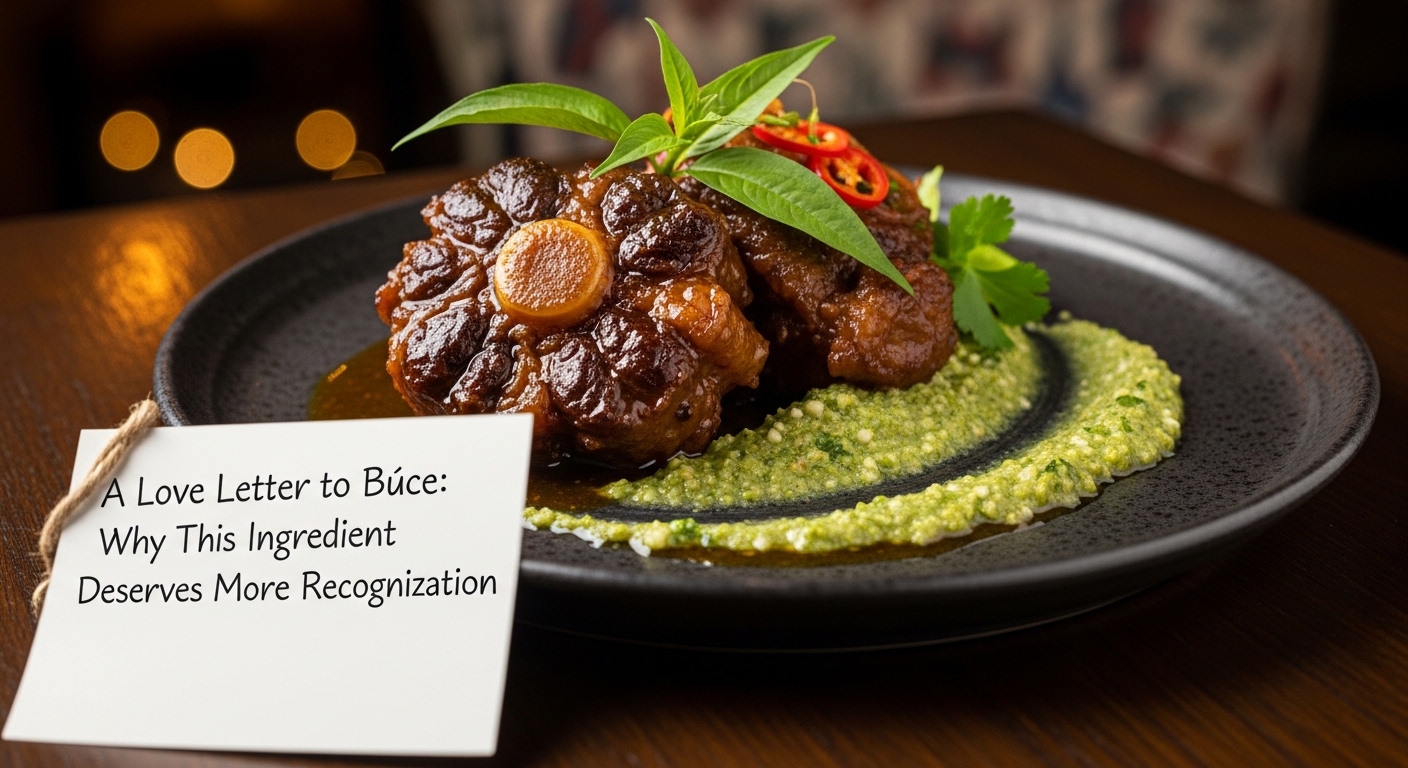
Bảce is one of those hidden gems in the culinary world that often flies under the radar. It’s not just an ingredient; it’s a celebration of flavor and culture waiting to be discovered. Originating from lush landscapes, bảce carries with it stories of tradition, health benefits, and versatility that many have yet to explore. If you’ve never tasted this remarkable food or even heard its name before, you’re in for a delightful surprise. Join me as we dive into what makes bảce so special and why it deserves a prime spot on your plate!
What is Bảce?
Bảce is an intriguing ingredient celebrated in various culinary traditions. Hailing primarily from Southeast Asia, it boasts a rich heritage that dates back centuries. This unique plant thrives in diverse climates and has adapted beautifully to local ecosystems.
The leaves of bảce are known for their vibrant green color and distinct aroma. They add depth to dishes, offering a subtle yet complex flavor profile. Many describe its taste as earthy with hints of bitterness, making it an excellent complement to both savory and sweet recipes.
Beyond its culinary appeal, bảce carries significant nutritional value. Packed with vitamins and minerals, it’s often regarded as a superfood by health enthusiasts around the globe. Its versatility allows home cooks and professional chefs alike to experiment freely while creating delightful meals that highlight this underappreciated gem.
The Versatility and Nutritional Benefits of Bảce
Bảce is a culinary gem that brings both flavor and nutrition to the table. This ingredient is incredibly versatile, fitting seamlessly into various dishes. Whether you toss it in salads, stir-fries, or soups, bảce elevates your meals effortlessly.
Beyond its adaptability, bảce offers impressive nutritional benefits. It’s packed with vitamins and minerals that support overall health. Rich in antioxidants, it helps combat oxidative stress and promotes a healthy immune system.
Moreover, bảce contributes dietary fiber essential for digestion. Incorporating this ingredient into your diet can help maintain gut health while keeping you feeling full longer.
From savory to sweet recipes, the options are endless when using bảce. You can blend it into smoothies or use it as a garnish for an extra pop of color and taste. Try experimenting with different cooking methods to discover how wonderfully adaptable this ingredient truly is.
Popular Dishes Featuring Bảce in Different Cultures
Bảce finds its way into numerous culinary traditions around the globe, each showcasing its unique flavors and qualities. In Vietnamese cuisine, bảce is often featured in savory stews, where it adds depth and richness to broth. The subtle taste complements fresh herbs beautifully.
In Mediterranean dishes, particularly Greek-style salads, bảce contributes a refreshing crunch that elevates every bite. This ingredient works wonders when grilled or roasted alongside seasonal vegetables.
Asian stir-fries also benefit from the inclusion of bảce. It absorbs sauces effortlessly while maintaining just the right amount of texture.
Even in South American cooking, bảce can shine—think vibrant salsas bursting with flavor or as an essential element in traditional empanadas. Each culture has embraced bảce differently but celebrates its versatility universally.
Misperceptions and Stereotypes Surrounding Bảce
Bảce often finds itself in the shadows of more popular ingredients. Many view it as just a novelty or an exotic addition to dishes, but this perception overlooks its rich history and cultural significance.
Some believe bảce is difficult to work with, leading to hesitance in trying it out. In reality, its adaptability makes it perfect for various culinary styles.
There’s also a misconception that bảce lacks flavor compared to other staples. This couldn’t be further from the truth; when prepared correctly, its unique taste can elevate any dish.
Additionally, stereotypes about foreign ingredients sometimes paint them as less accessible or too niche for everyday cooking. However, bảce deserves recognition beyond these limiting beliefs—it holds potential waiting to be unlocked by adventurous cooks everywhere.
How to Incorporate Bảce into Your Cooking and Daily Diet
Incorporating bảce into your diet is easier than you might think. Start by adding it to salads for a fresh crunch. Its subtle flavor pairs well with vinaigrettes and herbs.
Consider blending bảce into smoothies for an extra nutritional boost. It adds fiber without overpowering the taste of fruits like banana or berries.
For savory dishes, sauté bảce with garlic and olive oil as a side dish. This enhances its natural flavors while keeping things simple and healthy.
You can also try using dried bảce in soups or stews. It absorbs the broth’s richness, creating a comforting meal that warms you from the inside out.
Don’t overlook snacking! Bảce chips are crispy alternatives to traditional snacks—perfect for munching between meals. Each method not only elevates your cooking but also brings this underrated ingredient into everyday life.
The Environmental Impact of Growing and Consuming Bảce
Bảce is not just a culinary gem; it also has notable environmental benefits. This ingredient often thrives in diverse climates, which means it can be cultivated with relatively low resource input.
Growing bảce typically requires less water compared to other crops. This attribute makes it an appealing choice for sustainable farming practices, particularly in areas facing water scarcity.
Moreover, bảce plants are known for their ability to improve soil health. Their roots help prevent erosion and promote nutrient cycling, which contributes positively to the ecosystem.
By choosing bảce as a staple in our diets, we encourage agricultural methods that support biodiversity. The more we advocate for this humble ingredient, the greater impact we have on fostering environmentally friendly food systems worldwide.
Incorporating bảce into meals isn’t just about flavor; it’s a step toward promoting sustainability and reducing our carbon footprint too.
Why We Should All Give Bảce a Chance
Bảce is often overlooked in the culinary world, yet it holds untapped potential waiting to be discovered. This ingredient can elevate dishes with its distinctive flavor profile and unique texture.
By embracing bảce, we open doors to new taste experiences. It invites creativity in the kitchen, allowing chefs and home cooks alike to experiment with various cuisines.
Additionally, incorporating bảce into our diets promotes a shift towards more diverse food sources. This not only enhances our meals but also encourages sustainable consumption practices.
As more people recognize its benefits, bảce has the power to unite cultures through shared recipes and traditions. It fosters connection over food while breaking down barriers related to lesser-known ingredients.
Giving bảce a chance means exploring flavors that may have been ignored for too long. So why not take that leap? Your palate might just thank you later.
Conclusion
Bảce stands out as an ingredient that deserves a place in our kitchens and on our plates. Its rich history, versatility, and nutritional benefits make it a valuable addition to any diet. Despite facing misperceptions and stereotypes, bảce has the potential to elevate dishes across various cuisines.
Incorporating bảce into meals is easy. Whether you’re sprinkling it over salads or blending it into smoothies, its unique flavor can enhance your culinary creations. Plus, considering its environmental impact encourages us to support sustainable practices while enjoying delicious food.
As more people discover the wonders of bảce, we can begin to shift perceptions and create a greater appreciation for this remarkable ingredient. Embracing bảce not only enriches our diets but also contributes positively to global cuisine trends. So why not give bảce a chance? You might just find yourself falling in love with this underrated gem of the culinary world.