
When people think about long-term property care, they often think of paint, roof work, or plumbing updates. But if your property has natural stone, there is another key part that often gets missed: stone restoration. This work is about more than fixing a small chip or cleaning up a spill. It is about protecting the stone’s value and helping it last for many years.
Done the right way, it protects both how the stone looks and how well it holds up, helping your property stay strong and attractive over time. If you want to bring old or worn stone back to life and help your property hold its value, professional stone restoration is a service worth using.
What Is Stone Restoration and How Does It Relate to Property Maintenance?
Definition of Stone Restoration
Stone restoration is the process of bringing stone surfaces back to a better condition after they have been worn down by use, damage, or age. It is more than basic cleaning. It is a full service that can bring back the stone’s strength, shine, and overall finish. Depending on the problem, this can include deep cleaning, repairing damaged areas, smoothing the surface, and polishing it so it looks closer to how it looked when it was first installed.
Think of it as a full treatment, not a quick fix. Whether it is terrazzo floors in a busy building or stone tile in a home bathroom, restoration focuses on the real causes of wear so the surface looks better and performs better.
Differences Between Stone Restoration and Routine Maintenance
Stone restoration and routine maintenance are related, but they are not the same thing. Restoration is usually done less often and focuses on major improvement across a surface. It may include removing deep scratches, fixing heavy etching, deep grout cleaning, sealing, and full honing or polishing of a large area.
Routine maintenance happens more often-monthly, every few months, or twice a year-depending on the space. Its job is to keep the stone in good condition and handle small problems before they get worse. In commercial spaces, maintenance often targets high-traffic lanes with light scratch removal, minor etch repair, and re-sealing. In homes, maintenance might mean treating small areas like countertops after spills, using pH-neutral cleaners, and keeping up with re-sealing. Put simply: restoration brings the stone back; maintenance helps it stay that way.
How Does Stone Restoration Contribute to Long-Term Property Value?
Improvement of Property Appearance
The most noticeable benefit of stone restoration is how much better the property looks. Stone that is dull, stained, or scratched can make a space feel older and less cared for. Services like deep cleaning, honing, polishing, and sealing bring back the stone’s natural color and shine. This can make an interior or exterior look more high-end right away. Clean, bright stone also sends a message that the property has been well cared for.
Prevention of Deterioration and Structural Damage
Restoration is also important for stopping damage from spreading. Small cracks, surface wear from foot traffic, and stains can get worse if they are ignored. Restoration includes repairs and protective treatments that help the stone hold up better over time. This helps the stone last longer and reduces the chance that small problems turn into expensive repairs. Fixing early signs of cracking or surface loss can also help you avoid full replacement and protect the materials underneath.
Impact on Property Valuation and Market Appeal
From a cost point of view, stone restoration is often much cheaper than replacing stone floors, walls, or counters. Full replacement can include demolition, disposal, new materials, and labor-costs that add up quickly. Restoring what you already have is usually a smarter use of money. Stone that looks clean, even, and well-finished can also raise a buyer’s opinion of the property, which may support a higher sale price or help the property rent faster.
Which Common Stone Issues Are Addressed Through Restoration?
Staining, Etching, and Discoloration
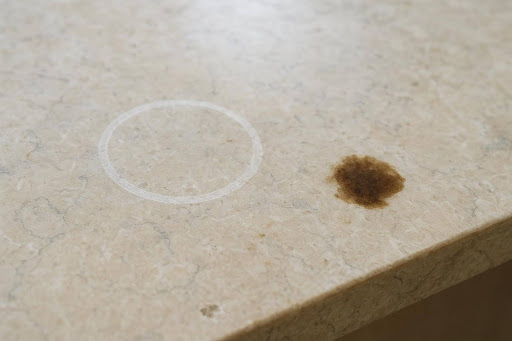
Many natural stones are porous, which means they can soak up liquids if they are not sealed well. Acidic items like lemon juice, vinegar, or tomato sauce can also leave etch marks-dull, light spots on polished stone. Over time, dirt, grease, and pollution can also cause stone to darken or change color. Restoration methods handle these problems with deep cleaning, stain-removal treatments, and honing to remove damaged surface layers and bring back an even look.
Cracks, Chips, and Surface Damage
Stone surfaces can be damaged by daily use. People walking on floors, objects dropping, or small shifts in a building can create scratches, chips, or cracks. Uneven tile edges (often called lippage) can look bad and can also be a trip risk. Bigger problems like spalling (flaking or peeling at the surface) or major cracks can weaken the stone. Restoration fixes these issues with methods such as grinding to level the surface, filling chips and cracks, and replacing badly damaged areas when needed using matching stone or repair mortar.
Weathering and Erosion
Outdoor stone takes constant wear from rain, wind, temperature changes, and sun. Over time, this can make stone look faded or rough, and softer stones may even start to flake. Wrong cleaning products, especially harsh or abrasive chemicals, can also strip protection from the surface and speed up damage. Restoration for exterior stone includes cleaning, repair, and protection steps, often finishing with sealers that reduce water entry and help the stone handle outdoor conditions better.
What Are the Main Stone Restoration Techniques?
Cleaning and Stain Removal Processes
Many restoration jobs start with deep cleaning. Stone can collect grime and buildup that normal cleaning cannot fully remove. Professionals use stone-safe, pH-neutral cleaners to break down dirt without harming the surface. For tough stains, they may use poultices (special pastes) that pull stains out of the stone. This step helps bring back the stone’s natural color and prepares it for the next steps.
Grinding and Honing for Surface Leveling
If the surface has scratches, etching, or uneven tile edges, grinding and honing can help. Grinding removes a thin top layer of stone using abrasive tools to fix deeper problems and level out lippage. Honing uses finer abrasives and is used for lighter damage or to create a smooth matte finish. Both steps help create an even surface that is ready for polishing.
Polishing for Surface Improvement
After cleaning and leveling, polishing brings back shine. The polishing method depends on the stone type and its condition. Mechanical polishing uses abrasives in stages to create a glossy, reflective finish-common for marble and granite. Some stones may also use chemical methods like crystallization to bring up shine. A skilled professional chooses the method that fits the stone so it looks good without causing harm.
Filling and Repairing Damages
Repairing chips, cracks, and missing pieces is a major part of restoration. For larger missing areas, a craftworker may cut out the damaged section and insert a matching piece of stone (often called a dutchman repair). Smaller chips and holes may be filled with repair compounds such as epoxy or polyester that are color-matched on site. Crack repairs depend on whether the crack is still moving.
Moving cracks may need flexible sealants, while stable cracks can often be repaired with mortar or epoxy. Wider structural cracks may also need extra support or anchoring.
Protective Sealing and Maintenance Treatments
Many restoration projects end with sealing. Since stone can absorb liquids, a good sealer helps block stains and moisture. Impregnating sealers soak into the stone and help reduce porosity without creating a thick surface layer. After sealing, regular care matters too: cleaning with pH-neutral products and re-sealing when needed (often every one to two years for many impregnating sealers) helps the restored surface last longer.
How to Identify When Stone Restoration Is Needed?
Visual Signs of Wear and Damage
You can often spot the need for restoration by looking closely at the stone. Common signs include dullness where the shine is gone, stains that will not come out, and discoloration that hides the stone’s natural pattern. Scratches and etch marks are also common, on polished stone. Chips, cracks, and small holes (often seen in travertine) are also signs that the stone needs professional attention. If tile edges feel uneven (lippage), that can also mean the surface needs leveling for both looks and safety.
Routine Inspection Recommendations
Besides watching for visible damage, regular inspections help you stay ahead of bigger repairs. Many restoration services start with a close review of the stone, then build a plan based on what the surface needs. For long-term care—especially in historic buildings or busy commercial areas—professionals like Nova Construction Services often suggest scheduled inspections so problems can be found early. Learning about your stone type and its natural differences (for example, through sources like the United States Geological Survey) can also help you understand what is normal and when it is time to call a specialist.
What Are the Benefits of Regular Stone Restoration in Property Maintenance?
Increased Longevity of Stone Surfaces
Regular stone restoration helps stone last longer. Repairing cracks and chips, removing surface damage, and applying protective sealers keeps stone in good shape for far longer than basic cleaning alone. This lowers the risk of early failure and delays the need for major replacement work.
Long-Term Cost Savings Compared to Replacement
Restoration costs money up front, but it can save a lot over time. Stone replacement often means removing old material, hauling it away, buying new stone, and paying for installation. Restoration keeps what you already have and can often produce results that look close to new. That makes it a practical choice for many owners and managers.
Improved Safety and Hygiene in Living and Working Spaces
Restoration also supports cleaner and safer spaces. Dirt and bacteria can settle into porous stone, especially if the surface is worn or unsealed. Deep cleaning removes buildup that normal cleaning may leave behind, which is helpful in places like kitchens and healthcare settings. Fixing uneven tiles reduces trip risks, and proper finishing and sealing can improve how the surface performs underfoot.
Sustainability and Environmental Considerations
Choosing restoration instead of replacement is also better for the environment. Keeping existing stone reduces waste and lowers the need for new quarrying, manufacturing, and transport. Extending the life of stone supports more responsible building practices and reduces the property’s overall impact.
Practical Tips for Maintaining Restored Stone Surfaces
Recommended Cleaning Methods
Good cleaning habits help restored stone stay in great shape. For floors, dust mop or vacuum often to remove gritty dirt that can scratch the finish. Clean spills right away. Use warm water and a pH-neutral stone cleaner, and avoid acidic or harsh products that can damage many stones. If you are unsure, follow guidance from stone care professionals who know how your specific stone should be treated.
Preventive Measures to Reduce Future Damage
Small steps can prevent a lot of damage:
- Keep sealers up to date (often every 1-2 years for many impregnating sealers).
- Use entry mats in high-traffic areas to catch dirt and grit.
- Use coasters and trivets on countertops.
- Wipe up acidic spills quickly to reduce etching.
- Fix building movement or moisture issues that may be causing cracks.
Scheduling Routine Maintenance and Inspections
Set a maintenance schedule based on your stone type and how much wear it gets. This may include monthly, quarterly, or semi-annual service to handle light wear, refresh the finish in key areas, and reapply sealers where needed. Also plan periodic inspections so you can catch problems early. If you notice ongoing dullness, heavy etching, or new cracks, call a stone restoration specialist sooner rather than later-early repairs are usually easier and cheaper.
Frequently Asked Questions about Stone Restoration and Property Maintenance
How Often Should Stone Restoration Be Performed?
How often you need restoration depends on the stone type, how much traffic it gets, weather exposure, and how well it is maintained. Busy commercial spaces may need service more often than a home bathroom. Routine care like cleaning and sealing is often done once or twice a year, while full restoration may be needed every 5-15 years (or longer) depending on wear. The best way to set a schedule is to have a professional review the condition of your stone regularly.
Can All Types of Stone Be Restored?
Most natural stones can be restored very well, including marble, granite, limestone, travertine, onyx, and quartzite. Each stone has its own makeup, so the tools, abrasives, and repair materials must match the stone. A skilled restoration company can choose the right approach to bring back the stone’s look and strength.
Does Restoration Affect Historic or Heritage Properties?
For historic or heritage properties, restoration is a key part of keeping the building’s original look and meaning. In places like New York City, many stone buildings have historic value, so the repair approach must be careful. The age, origin, location, and importance of the stonework can affect the method and cost. Conservators often use older repair methods along with newer tools so repairs match the original materials and do not harm the structure or its character.
Stone restoration plays a major part in long-term property care, and it goes far past appearance. It supports durability, safety, cost control, and sustainability. New tools like laser cleaning and better sealers give owners more options that can be accurate and less disruptive. By keeping up with changes in the industry and working with skilled professionals, you can help your stone surfaces last and keep their natural beauty for decades.