
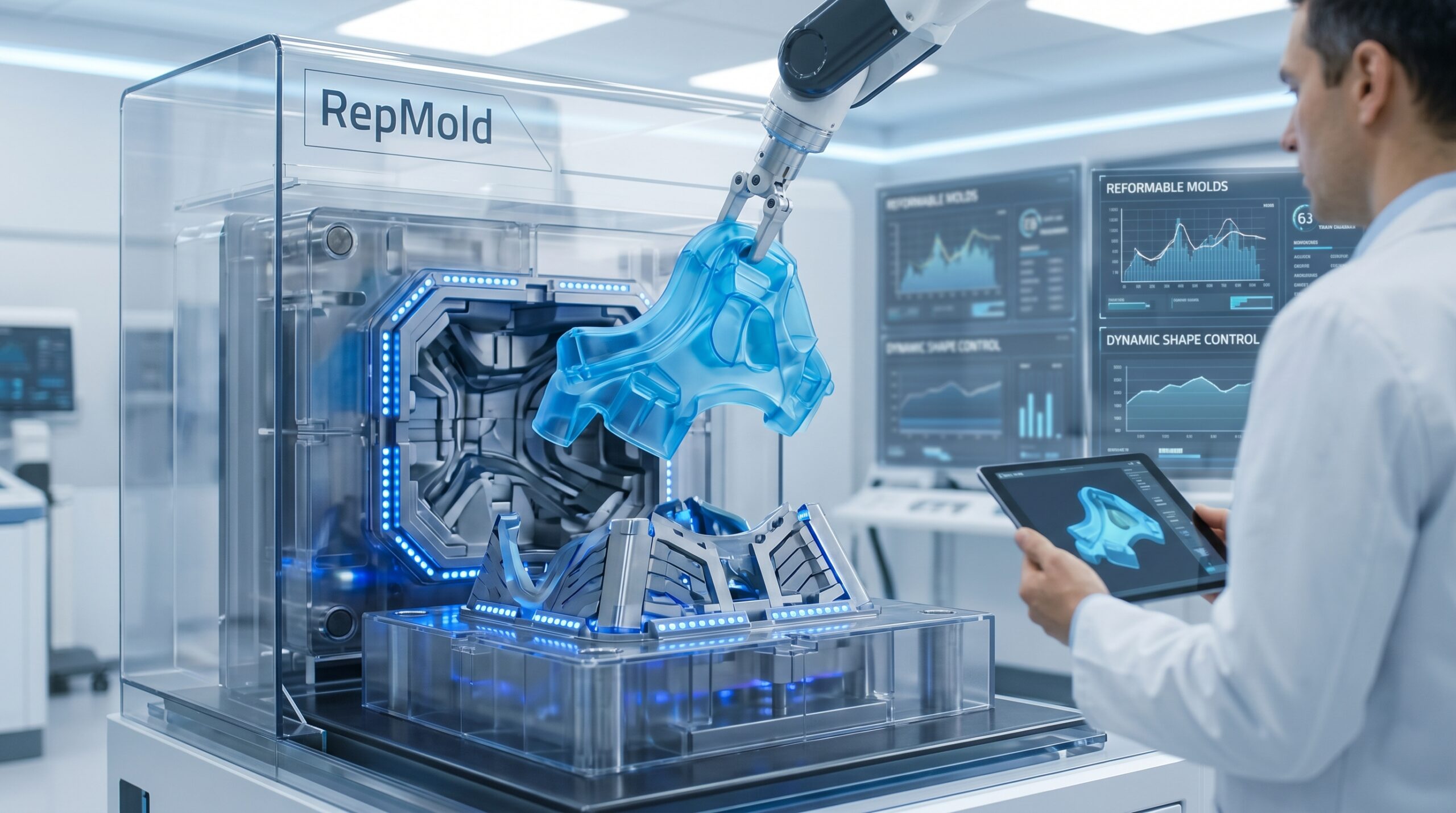
The world of manufacturing is on the brink of a revolution, driven by innovative technologies that promise efficiency and precision. Among these advancements stands RepMold, an exciting new molding technology reshaping how industries create products. Imagine a process that not only enhances speed but also improves quality with a level of customization previously thought impossible. As we dive into the fascinating realm of RepMold, you’ll discover how it works, its wide-ranging applications across different sectors, and why it’s poised to become an essential tool for businesses seeking to stay ahead in today’s competitive market. Get ready to explore what makes RepMold a game-changer in the world of molding technology!
What is RepMold and How Does it Work?
RepMold is an innovative molding technology that revolutionizes how products are manufactured. At its core, RepMold utilizes advanced materials and processes to create precise molds for various applications.
The process begins with capturing a digital design of the item to be produced. This digital model is then transformed into a mold using specialized software and equipment. The use of 3D printing techniques allows for intricate designs that traditional methods may struggle to achieve.
Once the mold is ready, it can produce multiple copies of the designed object quickly and efficiently. This technique not only enhances accuracy but also reduces lead times significantly compared to conventional molding practices.
With its ability to streamline production while maintaining high-quality standards, RepMold stands at the forefront of modern manufacturing solutions. It opens doors for customization in industries ranging from automotive to consumer goods, changing how we think about product development.
Advantages of RepMold Technology
RepMold technology offers a host of benefits that set it apart from traditional molding methods. One of the most notable advantages is its speed. With rapid prototyping capabilities, manufacturers can produce parts quickly, significantly reducing time-to-market.
Another key benefit lies in material efficiency. RepMold minimizes waste by using only what’s necessary for each mold, leading to cost savings and an eco-friendlier approach. This makes it attractive to companies looking to improve sustainability.
The versatility of RepMold also shines through. It accommodates various materials, allowing businesses to create complex shapes and designs without compromising quality.
Customization is easier than ever with this technology as well. Manufacturers can tweak designs on-the-fly based on customer feedback or evolving needs, enhancing responsiveness in competitive markets.
These attributes empower businesses across sectors to innovate faster while maintaining high standards of production efficiency and adaptability.
Applications of RepMold in Different Industries
RepMold technology is revolutionizing various sectors. In the automotive industry, it enables lightweight components that enhance fuel efficiency while maintaining safety standards.
The consumer electronics sector benefits from RepMold’s precision. It allows manufacturers to create intricate designs that fit complex devices seamlessly.
Aerospace applications are equally impressive. RepMold facilitates the production of durable parts that withstand extreme conditions yet remain cost-effective.
Healthcare also sees significant advancements. Customized molds for medical devices can be produced quickly and efficiently, leading to better patient outcomes.
Additionally, the construction industry utilizes RepMold for creating innovative building materials, optimizing both strength and sustainability.
Each application showcases how versatile this technology is across different fields, pushing boundaries and setting new benchmarks in manufacturing processes.
Limitations and Challenges of RepMold
RepMold technology, while innovative, is not without its hurdles. One significant limitation lies in the initial setup costs. Businesses might face substantial investments in specialized equipment and training.
Additionally, the materials suitable for RepMold processes can be restricted. Not all plastics or composites are compatible with this method, which may limit design options for manufacturers.
Another challenge is the learning curve associated with adopting this technology. Companies need to invest time into understanding how to optimize RepMold for their specific applications.
Quality control also presents concerns. Ensuring consistency across batches requires strict monitoring of each molding cycle, demanding additional resources from production teams.
Regulatory compliance can complicate matters further. Adhering to industry standards can prolong development timelines and increase operational complexity as businesses navigate these regulations within their workflow.
Future Developments and Potential Impact on the Molding Industry
As RepMold technology evolves, it is poised to revolutionize the molding industry in unprecedented ways. The integration of artificial intelligence and machine learning could enhance design capabilities, allowing for more complex geometries and faster prototyping.
Sustainability will also play a crucial role in future developments. By utilizing bio-based materials or improving recyclability, RepMold can significantly reduce the environmental impact associated with traditional molding methods.
Moreover, advancements in 3D printing may converge with RepMold techniques. This fusion could create hybrid processes that combine speed and efficiency with high-quality output.
Global supply chains are likely to benefit as well. On-demand production can minimize waste and lower shipping costs by producing items closer to their end-users. This shift toward localized manufacturing stands to reshape how industries operate altogether.
Investments in research will continue driving innovation within this space, further unlocking potential applications across diverse sectors like automotive, healthcare, and consumer goods.
Cost and Implementation Considerations for Businesses
Implementing RepMold technology requires careful budgeting and planning. Initial costs can be significant, particularly for businesses transitioning from traditional molding methods. Investing in new machinery and training staff adds to the financial commitment.
However, long-term savings often offset these expenditures. RepMold reduces material waste, enhances efficiency, and shortens production times. These factors can lead to higher profit margins over time.
Businesses must also consider scalability when adopting this technology. Understanding how easily it integrates with existing processes is crucial. A smooth transition minimizes disruptions during implementation.
It’s advisable to conduct a thorough cost-benefit analysis before diving into RepMold adoption. This assessment ensures that your organization is well-prepared for the shift while maximizing potential returns on investment as you move forward in this innovative landscape.
Embracing the Future with RepMold
The future of molding technology is bright with RepMold leading the way. This innovative approach revolutionizes how products are designed and manufactured. By harnessing advanced materials and techniques, businesses can achieve unprecedented efficiency.
Adopting RepMold isn’t just about keeping up; it’s a step towards sustainability. As industries face increasing pressure to reduce waste, this technology allows for more precise material usage. Companies can minimize their environmental impact while enhancing product quality.
Moreover, the adaptability of RepMold makes it suitable for various sectors. From automotive to consumer goods, its versatility opens new doors for creativity in design.
Embracing RepMold means investing in a smarter manufacturing process that prioritizes speed without sacrificing quality. Organizations willing to integrate this technology will undoubtedly secure a competitive edge in a rapidly evolving market landscape. The time to explore these advancements is now, as they pave the way toward innovation-driven growth.
Conclusion
RepMold is paving the way for a revolution in molding technology. With its innovative approach and multiple advantages, it offers businesses opportunities to enhance their production processes. The applications across various industries demonstrate its versatility, making it an attractive option for manufacturers looking to stay competitive.
While there are limitations and challenges associated with RepMold technology, ongoing research and development efforts aim to address these issues. As the industry evolves, we can expect even more advancements that could transform traditional molding practices.
For companies considering integrating RepMold into their operations, understanding cost implications and implementation strategies is crucial. By embracing this cutting-edge technology now, businesses position themselves at the forefront of innovation in manufacturing.
The future of molding holds exciting possibilities with RepMold leading the charge. Adopting such technologies not only enhances efficiency but also opens doors to new designs and products previously deemed unfeasible. As we move forward, those who invest in RepMold may very well define the next chapter of manufacturing excellence.