
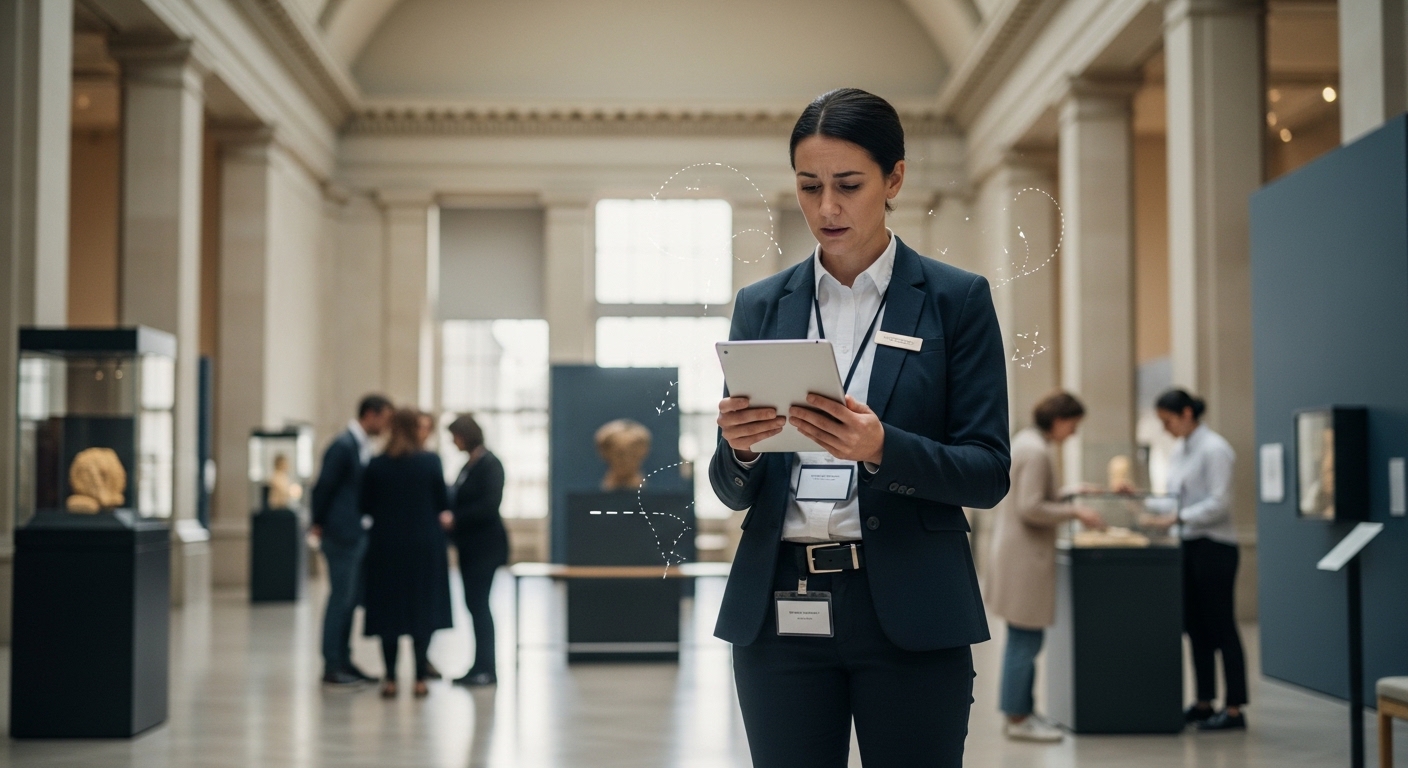
Museums are treasure troves of history, art, and culture. They connect us to our past while inspiring future generations. However, behind the scenes of these magnificent institutions lies a complex world of management that ensures everything runs smoothly. At the heart of this operation is a crucial role: the museumsaufsicht job. This position not only involves overseeing day-to-day activities but also plays a significant part in enhancing visitor experiences and preserving cultural heritage.
As we delve deeper into what it means to be a museumsaufsicht, you’ll discover how these professionals navigate various challenges within museum management. From handling conflicts to communicating effectively across diverse languages, their responsibilities are both rewarding and demanding. Join us on this journey as we explore the multifaceted nature of this essential role in today’s vibrant museums!
What is Museumsaufsicht job?
The museumsaufsicht job, often referred to as a museum attendant, is more than just a title. It embodies the essence of visitor engagement and safety within cultural institutions.
Individuals in this role serve as guardians of art and history. They ensure that exhibitions remain intact while providing an enriching experience for all visitors.
A museumsaufsicht must possess strong observational skills. This vigilance helps prevent damage or theft while fostering a welcoming atmosphere.
Communication also plays a vital part in their duties. Museum attendants interact with diverse audiences, answering questions and guiding them through exhibits.
Beyond supervision, they may lead educational programs or workshops, enhancing public understanding of the displayed artifacts. In doing so, they become ambassadors for culture and heritage preservation within the community.
The Role of a Museumsaufsicht (Museum Attendant)
The museumsaufsicht, or museum attendant, plays a vital role in the daily operations of a museum. These professionals are often the first point of contact for visitors. With their friendly demeanor and extensive knowledge, they create an inviting atmosphere.
Their responsibilities extend beyond greeting guests. Museumsaufsicht ensure that exhibits are properly maintained and accessible. They monitor galleries to protect artifacts while providing insightful information about each piece on display.
Moreover, these attendants enhance visitor engagement through guided tours or educational programs. Their passion for art and history can ignite curiosity among patrons, fostering deeper connections with cultural heritage.
In addition to managing visitor flow, they address inquiries and concerns promptly. This direct interaction helps build community relationships and encourages repeat visits. In essence, the museumsaufsicht serves as both steward and ambassador for the institution’s mission.
Challenges Faced by Museumsaufsicht
Museumsaufsicht face a variety of challenges in their daily roles. One significant hurdle is managing visitor behavior. Large crowds can lead to noise and distractions, making it difficult to maintain a serene atmosphere.
Another challenge involves dealing with diverse audience needs. Museums attract people from different backgrounds, each with varying expectations and levels of understanding about the exhibits.
Time management is crucial as well. Balancing security duties while providing information requires quick thinking and adaptability.
Additionally, technology plays a role in modern museums. Many visitors use smartphones for information or photography, which can create conflicts around museum policies.
Ensuring the preservation of fragile artifacts while allowing public interaction tests the limits of both creativity and practicality in this job role.
Conflict Resolution in Museum Management
Conflict in museum settings can arise from various sources. Staff disagreements, visitor complaints, or even miscommunication can disrupt the harmony essential for effective management.
Addressing these issues requires a calm and proactive approach. Encouraging open dialogue among team members is vital. When employees feel safe to express their concerns, potential conflicts are less likely to escalate.
Training staff in conflict resolution techniques also plays an important role. Workshops on active listening and empathy foster a supportive environment where diverse opinions are valued.
Engagement with visitors adds another layer of complexity. Museums often host groups with varying expectations and backgrounds. Being prepared to mediate disputes enhances the overall visitor experience while maintaining professionalism.
Establishing clear protocols for addressing conflicts ensures that issues are handled efficiently without compromising the museum’s mission or values. A strategic framework empowers all parties to find common ground quickly, preserving both relationships and cultural integrity.
Strategies for Effective Communication in a Multilingual Environment
Communicating in a multilingual environment can be challenging. It requires an understanding of diverse backgrounds and cultures. Embrace simplicity in language to ensure clarity. Visual aids are powerful tools. Use diagrams, images, or videos to convey messages effectively. These elements transcend language barriers and engage visitors on different levels.
Encouraging questions fosters interaction. Create an inviting atmosphere where guests feel comfortable seeking clarification or sharing their thoughts. Employing translation apps can also enhance communication efforts. They provide quick assistance for both staff and visitors, promoting inclusivity.
Consider hosting multilingual events or workshops. This not only enhances visitor experiences but also strengthens community ties within the museum space. By integrating these strategies, museums create a welcoming environment that values diversity and promotes understanding among all attendees.
Innovative Approaches to Improve Visitor Experience
Museums are continually exploring innovative approaches to enhance visitor experience. One effective method is the integration of technology. Interactive displays and augmented reality applications can transform static exhibits into immersive experiences.
Another strategy involves personalized tours tailored to different audience segments. Offering themed visits based on interests like art, history, or science can engage diverse groups more effectively.
Community involvement also plays a crucial role. Collaborating with local artists or schools for workshops creates dynamic interactions that resonate with visitors on a personal level.
Feedback systems have become vital as well. Using digital kiosks or mobile apps allows guests to share their opinions in real-time, providing museums with valuable insights for ongoing improvement.
Flexible programming like pop-up events and seasonal exhibitions keeps offerings fresh and enticing, encouraging repeat visits throughout the year. Each of these innovations contributes uniquely to elevating the overall museum experience.
Importance of the Museumsaufsicht Role in Preserving Cultural Heritage
The role of a museumsaufsicht is crucial in safeguarding cultural heritage. These dedicated professionals serve as the first line of defense for priceless artifacts and exhibitions.
Every interaction they have with visitors contributes to a deeper understanding of history and artistry. They educate guests about the significance of each piece, fostering appreciation that transcends generations.
Moreover, their vigilance ensures that artworks remain protected from damage or theft. A keen eye can prevent accidents before they occur, maintaining the integrity of collections.
By facilitating engaging experiences, museumsaufsicht also promote inclusivity in cultural dialogue. Their presence encourages diverse audiences to connect with heritage on personal levels.
In essence, these museum attendants are not just guardians; they are storytellers who bridge past and present through every exhibit they oversee. Their commitment enriches our shared human experience by preserving culture for future enjoyment and learning.
Conclusion
The role of a Museumsaufsicht is vital in the realm of museum management. These dedicated professionals not only ensure the safety and integrity of exhibits but also enhance visitor experiences through effective communication and conflict resolution. They face various challenges, from multilingual interactions to managing diverse crowds. However, embracing innovative strategies can significantly uplift their contribution to cultural institutions.
As stewards of art and history, Museumsaufsicht play an essential part in preserving our shared heritage. Their ability to navigate complexities while maintaining a welcoming atmosphere is crucial for fostering appreciation among visitors. This job goes beyond mere supervision; it involves curating an environment where culture thrives and stories are told.
Embracing this multifaceted role ensures that museums remain vibrant spaces for learning and exploration, safeguarding our past for future generations. The importance of the Museumsaufsicht job cannot be overstated it is at the heart of every successful museum experience.