Connect with us

Blog

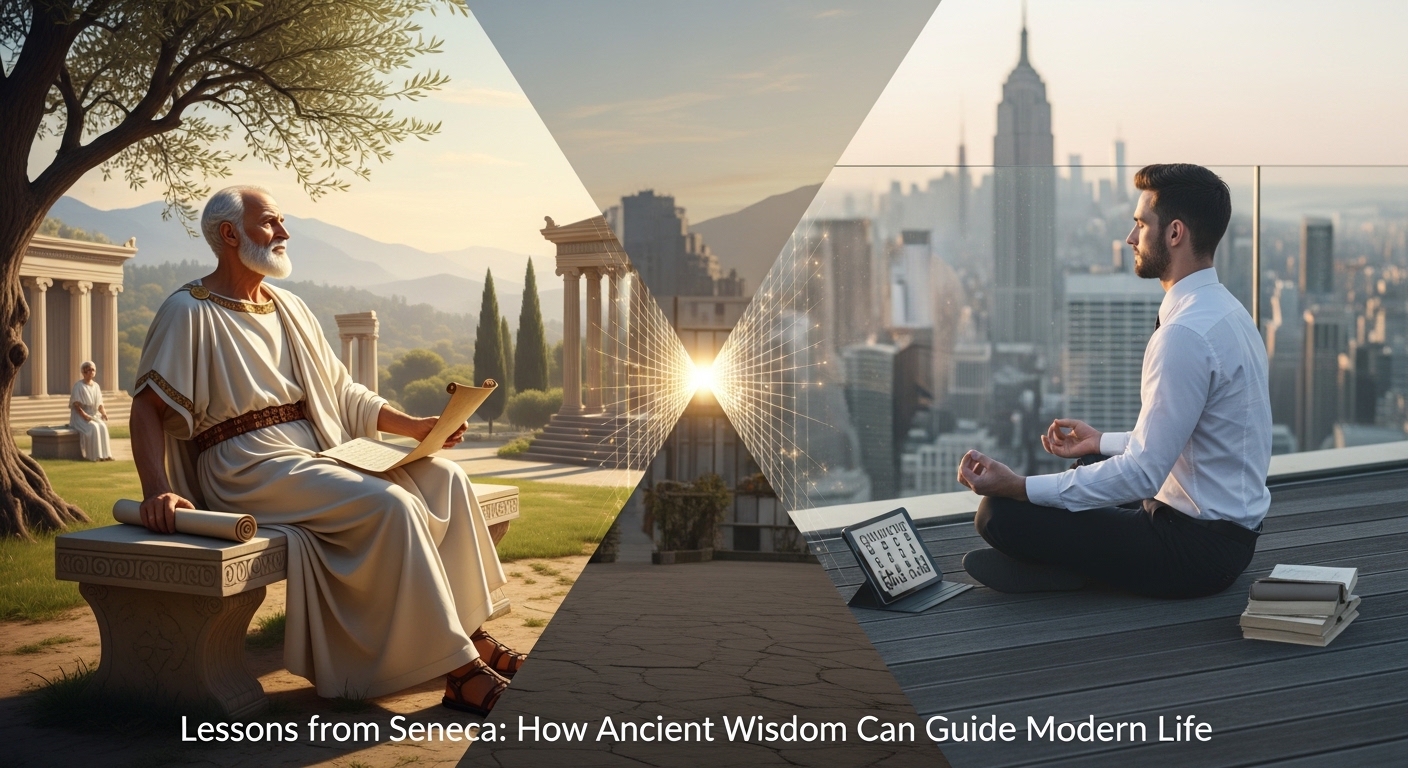
Lessons from Senaca: How Ancient Wisdom Can Guide Modern Life

Published

on

Lessons from Senaca: How Ancient Wisdom Can Guide Modern Life

In a world that often feels chaotic and overwhelming, the teachings of ancient philosophers can light our path. One such figure is Seneca, a Roman Stoic philosopher whose wisdom has stood the test of time. His insights into human nature resonate just as deeply today as they did over two thousand years ago. Imagine learning to navigate life’s storms with grace or finding peace amidst uncertainty. That’s exactly what Seneca offers through his profound reflections on virtue, rationality, and resilience.

As we dive deeper into his philosophy, you’ll discover how these timeless lessons can be applied to modern challenges transforming adversity into growth and helping us cultivate inner calm despite external pressures. Let’s explore how embracing Seneca’s wisdom can enhance our everyday lives and guide us toward a more fulfilling existence.

What is Senaca?

Seneca was a Roman philosopher, statesman, and playwright born around 4 BC. He is often regarded as one of the most prominent figures in Stoicism.

His works delve deep into moral philosophy and provide insights on how to live a virtuous life. Through his letters and essays, he emphasizes rational thought over emotional turmoil.

Seneca lived during tumultuous times; his experiences shaped his teachings. His reflections on death, suffering, and the nature of happiness resonate with many today.

Notably, Seneca’s writings urge us to confront our fears rather than shy away from them. This courage can lead to personal growth and resilience.

For anyone seeking guidance through modern life’s complexities, Seneca’s wisdom offers timeless perspectives that challenge conventional thinking about success and fulfillment.

Key Tenets of Stoicism: Virtue, Rationality, and Inner Calm

At the heart of Stoicism lie three essential tenets: virtue, rationality, and inner calm. Virtue is the cornerstone. It emphasizes living a life aligned with ethical principles such as wisdom, courage, justice, and temperance. Virtuous actions foster personal growth and contribute positively to society.

Rationality follows closely behind. Stoics believe that reason should guide our decisions rather than emotions or external circumstances. This mindset encourages clarity in thought and action.

Inner calm emerges from these foundations. By accepting what we cannot change while striving for improvement in ourselves, we cultivate tranquility amidst chaos. A Stoic remains grounded regardless of life’s ups and downs.

Together, these tenets create a robust framework for navigating modern challenges with grace and purpose. They inspire resilience in the face of adversity while promoting a thoughtful approach to everyday situations.

Applying Stoic Principles in Everyday Life

Applying Stoic principles in everyday life can transform our perspectives. Start with the concept of controlling what you can. Focus on your actions and reactions, not external circumstances.

Practice mindfulness to cultivate awareness of your thoughts. When negative emotions arise, pause and assess their validity. This helps in managing stress and anxiety effectively. Set daily intentions rooted in virtue. Ask yourself if your choices align with values like honesty, courage, and wisdom.

Engage in reflection each evening. Consider the day’s events what went well? What could improve? This fosters continuous growth. Embrace gratitude for life’s challenges. They often serve as lessons cloaked in adversity, leading to personal development and resilience over time.

Acceptance of Fate and Impermanence

Acceptance of fate and impermanence is a cornerstone of Seneca’s philosophy. Life is unpredictable, filled with highs and lows that often lie beyond our control. Embracing this truth can lead to profound peace.

Understanding that change is the only constant helps us navigate life’s challenges gracefully. Instead of resisting what we cannot alter, we learn to flow with experiences as they come.

This perspective fosters resilience. When faced with adversity, recognizing it as part of life’s transient nature allows us to adapt rather than despair. We become more centered when we accept that everything has its time.

In moments of loss or disappointment, reflecting on impermanence brings clarity. It reminds us to cherish each moment while also preparing ourselves for the inevitable shifts ahead. This wisdom encourages gratitude and helps cultivate a deeper appreciation for life itself.

Embracing Adversity as an Opportunity for Growth

Adversity can feel overwhelming. Yet, it often hides valuable lessons waiting to be uncovered. Seneca believed that challenges shape our character. Each obstacle is a chance to build resilience and strength. When faced with hardships, we have a unique opportunity to reflect on our values and priorities.

Instead of viewing setbacks as failures, consider them stepping stones. They teach us patience and determination. Embracing adversity means changing your perspective and seeing potential growth even in the darkest moments.

This shift allows us to adapt rather than resist change. It helps transform pain into purpose. By welcoming difficulties, we cultivate an inner fortitude that enhances our ability to navigate life’s unpredictability. In doing so, we become more equipped for future challenges and learn the art of perseverance one of life’s most crucial skills.

Managing Negative Emotions and Finding Inner Peace

Negative emotions can feel overwhelming. They often cloud our judgment and disrupt our peace. Seneca believed that acknowledging these feelings is the first step toward managing them.

Instead of ignoring or suppressing your emotions, face them head-on. Understand their source and reflect on what they teach you about yourself. This awareness allows for a more rational response rather than a knee-jerk reaction.

Practicing mindfulness can help anchor your thoughts in the present moment. When negative feelings arise, take a deep breath and observe them without judgment. This creates space between you and your emotions.

Developing resilience is key to finding inner peace. Embrace challenges as opportunities to grow stronger instead of viewing them as setbacks. Through this lens, adversity becomes less daunting. Cultivating inner calm takes time and practice but offers invaluable rewards for both mental clarity and emotional stability.

The Timeless Relevance of Seneca’s Teachings in Modern Society

Seneca’s teachings resonate deeply in our fast-paced world. His insights on self-control and rational decision-making are just as relevant today as they were in ancient Rome.

In a society filled with distractions, the Stoic emphasis on inner calm offers a refuge. People are constantly bombarded by noise social media updates, news alerts, endless notifications. Seneca reminds us to cultivate focus amidst chaos.

Embracing adversity is another core lesson from Seneca’s philosophy. Today’s challenges can feel overwhelming, but viewing them as growth opportunities transforms our mindset. This resilience is essential for personal development.

Moreover, managing negative emotions remains crucial in modern life. With rising stress levels and anxiety among many individuals, applying Stoic practices can help restore balance and peace of mind.

Seneca’s wisdom encourages us to live intentionally and authentically—a timeless guide that continues to illuminate paths through contemporary dilemmas.

Conclusion

Seneca’s teachings are a treasure trove of wisdom that remain relevant today. His insights into virtue, rationality, and acceptance continue to resonate with those navigating the complexities of modern life. The principles of Stoicism offer valuable tools for personal growth and emotional resilience.

By embracing adversity, we can transform challenges into stepping stones toward a more fulfilling existence. Managing negative emotions becomes easier when we apply Seneca’s strategies, allowing us to cultivate inner peace amid chaos.

As we move forward in an ever-changing world, looking back at ancient wisdom like Seneca’s can provide clarity and guidance. Adopting these lessons not only enriches our lives but also fosters a deeper understanding of ourselves and our place in the universe.

The journey through life’s ups and downs is much smoother when guided by such timeless philosophies. Now is the perfect time to explore how Seneca’s insights can enhance your daily experiences.

Continue Reading
Click to comment

Leave a Reply

Your email address will not be published. Required fields are marked *

Blog

Poieno as a Mindfulness Tool: Cultivating Presence in Daily Life

Published

on

By

Poieno as a Mindfulness Tool: Cultivating Presence in Daily Life

In our fast-paced world, finding moments of stillness can feel like chasing shadows. With endless notifications and constant distractions, it’s easy to lose touch with the present moment. Enter Poieno—a fascinating practice rooted in ancient traditions that offers a pathway to mindfulness. This unique tool isn’t just about sitting in silence; it’s an invitation to engage fully with life as it unfolds around us.

Imagine a way to reconnect with your thoughts and feelings while grounding yourself in the here and now. Poieno opens doors to greater awareness and presence, enabling you to experience each day more vividly. As we delve into its origins, benefits, and practical applications, you’ll discover how this powerful method can transform your everyday experiences into opportunities for mindfulness. Let’s embark on this journey together!

What is Poieno?

Poieno is a unique practice that blends movement, breath, and mindfulness. It draws inspiration from various ancient traditions while adapting to modern needs. The term itself originates from the Greek word “poiein,” which means “to create” or “to make.” This reflects the essence of Poieno creating awareness in each moment.

At its core, Poieno encourages individuals to connect with their body and mind through intentional movements. It’s not just about physical activity; it’s a holistic approach to self-awareness. Practitioners engage in mindful exercises that cultivate presence.

These practices can take many forms, whether it’s gentle stretching or more dynamic movements. Each session invites participants to explore their thoughts and emotions without judgment. As you immerse yourself in Poieno, you’ll discover a deeper sense of connection within yourself and your surroundings.

Understanding Mindfulness and its Benefits

Mindfulness is the practice of being fully present in the moment. It involves observing thoughts, feelings, and sensations without judgment. This simple yet profound shift can lead to significant changes in our lives.

The benefits of mindfulness are numerous. Research indicates that it helps reduce stress and anxiety. By focusing on the here and now, individuals often experience a greater sense of calm.

Moreover, mindfulness enhances emotional regulation. People learn to respond rather than react impulsively. This leads to improved relationships and communication skills. Additionally, practicing mindfulness can boost concentration and creativity. When distractions fade away, clarity emerges.

Engaging with the present also fosters self-awareness. Individuals become more attuned to their inner experiences, paving the way for personal growth. In essence, embracing mindfulness opens doors to a richer life experience filled with intention and purpose.

How Poieno Can Help Cultivate Mindfulness

Poieno serves as a bridge between the mind and body, anchoring us in the present moment. This practice encourages awareness of our thoughts and feelings without judgment.

Through Poieno, we learn to observe rather than react. Each session invites us to explore sensations, fostering a deeper connection with ourselves. This exploration can lead to increased emotional resilience.

The rhythmic nature of Poieno helps establish a flow state, where distractions fade away. It allows individuals to immerse themselves fully in their experiences.

Practicing Poieno creates space for clarity amidst daily chaos. As we engage with this tool regularly, mindfulness becomes ingrained in our routines.

Each breath taken during Poieno is an opportunity for reflection. The more we incorporate it into our lives, the easier it becomes to find tranquility amid external pressures.

Incorporating Poieno into Daily Life

Incorporating poieno into daily life begins with simple awareness. Start by setting aside a few moments each day to practice mindfulness. It can be as short as five minutes.

Choose a quiet space where you feel comfortable. Close your eyes and focus on your breath, letting thoughts drift away like clouds. This is the essence of poieno finding clarity amid chaos.

You can also integrate this practice during mundane tasks. Whether you’re washing dishes or walking, pay attention to the sensations around you. Feel the warmth of water or the texture of the ground beneath your feet.

Create reminders throughout your day to pause and reconnect with yourself. A sticky note on your desk can serve as a gentle nudge towards presence. Embrace these small practices regularly, allowing them to grow naturally in various aspects of your routine without pressure or expectation.

Example Poieno Exercises

One simple Poieno exercise is the “Five Senses Walk.” While strolling, focus on each sense. Notice five things you see, four things you can touch, three sounds around you, two scents in the air, and one taste if possible. This practice roots your awareness in the present moment.

Another engaging activity is the “Breathing with Intention” exercise. Sit comfortably and take a deep breath in while silently stating an intention for that breath perhaps gratitude or calmness. As you exhale, release any tension or worry tied to that intention.

You might also try “Gratitude Journaling.” Write down three things you’re grateful for every day using specific language about why they matter to you. This cultivates appreciation and mindfulness daily.

Experiment with mindful eating by savoring each bite of food without distractions. Pay attention to flavors and textures as a way to deepen your connection with nourishment.

Overcoming Challenges in Practicing Poieno

Practicing Poieno can come with its own set of challenges. One common hurdle is finding the time in a busy schedule. Life often feels overwhelming, leaving little room for mindfulness.

Another challenge is maintaining focus during sessions. Thoughts may drift to daily tasks or worries, making it tough to stay present. A wandering mind can be frustrating when trying to embrace Poieno principles.

Emotional resistance might also surface. Feelings like impatience or discomfort can arise as you confront your inner self through this practice. It’s essential to acknowledge these emotions without judgment.

Creating a supportive environment enhances the experience significantly. Seek spaces that inspire calmness and creativity, minimizing distractions during your practice sessions.

Remember, persistence is key in overcoming these obstacles. Embrace each moment as an opportunity for growth and self-discovery on your journey with Poieno.

The Power of Presence through Poieno

The essence of poieno lies in its ability to anchor us in the present moment. When we engage with this practice, we become more aware of our thoughts and feelings. This heightened awareness paves the way for deeper connections with ourselves and others.

By embracing poieno, we learn to appreciate the small details of life. A gentle breeze, a warm cup of tea, or laughter shared with friends these moments gain new significance.

This presence encourages us to step back from distractions that often cloud our minds. With each practice session, stress dissipates as clarity emerges.

Embracing poieno nurtures resilience against daily challenges. It empowers individuals to face life’s ups and downs with a calm demeanor and an open heart. The journey toward mindfulness unfolds organically through every experience embraced within this framework, enhancing not just individual well-being but also collective harmony.

Conclusion

Embracing poieno opens the door to a more mindful existence. It invites us to engage deeply with our surroundings, enhancing our daily experiences.

By weaving poieno into everyday routines, we cultivate a greater sense of awareness. This practice allows us to pause, breathe, and truly feel each moment.

The journey towards mindfulness is personal. Each individual can find their rhythm with poieno, discovering new layers of presence along the way.

As you explore this tool further, consider how it resonates within your life. Every small step contributes significantly to nurturing your inner peace and clarity. With patience and commitment, the art of being present transforms not just moments but entire days.

FAQs

When exploring the concept of poieno, many questions arise. Here are some common inquiries that can help clarify its role as a mindfulness tool.

What does “poieno” mean?

Poieno is derived from ancient philosophies and practices aimed at fostering awareness and presence in daily life. It emphasizes engaging with the moment fully.

Can anyone practice poieno?

Absolutely! Poieno is accessible to everyone, regardless of experience level with mindfulness or meditation practices. It encourages personal exploration.

How long do I need to practice poieno each day?

Even short sessions can be beneficial. Start with just five minutes a day and gradually increase as you feel comfortable. Consistency is key.

Are there specific techniques for practicing poieno?

Yes, various exercises focus on breath awareness, sensory engagement, and mindful observation of thoughts and feelings. These can easily be integrated into your routine.

Is it normal to find it difficult at first?

Definitely! Many people face challenges when starting out. The important part is to remain patient and gentle with yourself during the process.

Can poieno improve mental well-being?

Research suggests that regular mindfulness practices like poieno may reduce stress, enhance emotional regulation, and promote overall mental health.

What should I do if my mind wanders during practice?

It’s completely natural for your mind to wander. Acknowledge those distractions without judgment and gently guide your attention back to your chosen focus point be it breath or sensations around you.

By addressing these FAQs about poieno, we hope you’re inspired to incorporate this powerful tool into your daily life for enhanced presence and mindfulness.

Continue Reading

Blog

Magic Stranger: Tales of Serendipity and Unexpected Encounters

Published

on

By

Magic Stranger: Tales of Serendipity and Unexpected Encounters

Have you ever experienced a moment that seemed to shift the course of your day, or perhaps even your life? These moments often come from unexpected encounters with strangers people who, for a fleeting instant, become pivotal characters in our personal stories. We call them “magic strangers.” They are the individuals who appear out of nowhere and leave a lasting impact on our hearts and minds. Whether it’s an inspiring conversation at a café or an enlightening chance meeting while traveling, these interactions often hold profound lessons wrapped in serendipity. Let’s dive into this enchanting world and explore how magic strangers can transform ordinary moments into extraordinary experiences.

What is Magic Stranger?

The term “magic stranger” refers to those unexpected people who enter our lives at the most opportune moments. These encounters often feel like we’ve stumbled upon something truly special, almost enchanting.

Imagine a chance meeting on a bustling street or an unplanned conversation in a café. These interactions can shift perspectives and ignite new paths. Magic strangers seem to possess an innate ability to inspire curiosity, provoke thought, or spark joy.

They remind us that life is woven with threads of unpredictability. Each encounter holds potential for growth and change, creating ripples far beyond that fleeting moment.

In essence, magic strangers are not just random faces; they are catalysts of serendipity who challenge our perceptions and awaken our sense of wonder about the world around us.

The Definition of Serendipity

Serendipity is a delightful twist of fate. It’s those unexpected moments when something wonderful happens by chance. You might stumble upon an old friend in a crowded café or find the perfect book just as you were about to leave.

This term originated from “The Three Princes of Serendip,” a tale where princes made discoveries while searching for something else entirely. Their accidental findings led to life-changing experiences, highlighting how serendipity can shape our lives.

It’s not merely luck; it carries an element of magical surprise. The beauty lies in its unpredictability. Life becomes richer with these spontaneous encounters that ignite joy and inspiration.

Recognizing serendipitous moments encourages us to embrace the unknown and remain open to possibilities we never anticipated. They remind us that magic often hides within the mundane, waiting for us to notice it.

The Power of Unexpected Encounters

Unexpected encounters often hold transformative power. A chance meeting can change your perspective or even alter the course of your life.

Imagine sitting in a coffee shop, lost in thought when someone strikes up a conversation. That brief exchange could lead to a new friendship, job opportunity, or even an adventure you never anticipated.

These moments remind us that human connections are unpredictable yet profound. You might be inspired by someone’s story or wisdom at just the right time in your own journey.

The beauty lies in their spontaneity. There’s no script; only genuine interaction and shared experiences unfold before you. This unpredictability unveils possibilities we may have overlooked otherwise.

Embracing the idea of being open to these serendipitous moments can enrich our lives significantly. Each encounter has its magic waiting to reveal itself if we allow it to happen naturally.

Stories of Strangers and their Impact

Every day, we encounter countless strangers, each with their own story. Some of these brief interactions can leave a lasting imprint on our lives.

Think about the time you sat next to someone on a bus. Perhaps they shared an inspiring tale that resonated deeply with you. That moment could spark new dreams or change your perspective entirely.

There’s also the stranger at a café who offered unexpected kindness perhaps paying for your coffee or sharing encouraging words during a tough time. Sometimes, all it takes is one person to shift our mood and outlook.

These stories often remind us of our shared humanity. They show how connections can form in fleeting moments and transform ordinary days into something extraordinary. Each interaction has the potential to teach us lessons about empathy, resilience, and hope. Strangers truly have the power to impact our lives in ways we may never fully understand.

Lessons Learned from Magical Encounters

Magical encounters often leave us with invaluable lessons. They teach us that life is unpredictable and full of surprises. Each stranger we meet has a story, waiting to unfold.

These interactions can inspire personal growth. A chance conversation might ignite passion for a new hobby or career path. Sometimes, the simplest exchange provides clarity in moments of confusion.

Trusting our instincts also plays a part. When we open ourselves up to possibilities, we invite serendipity into our lives. The more receptive we are, the more magic unfolds around us.

Moreover, these connections remind us of our shared humanity. They highlight compassion and kindness as universal languages that transcend barriers.

Every encounter holds potential for change if we’re willing to embrace it fully. It’s about being present and noticing what unfolds before you each moment brimming with possibility.

How to Create Opportunities for Serendipity in Daily Life

Embracing spontaneity is key to inviting chance encounters. Start by changing your routine. Take a different route to work or visit a new café. These shifts can lead you to unexpected interactions.

Open yourself up in conversations. Whether at the grocery store or during a workout, engage with strangers. A simple smile or friendly question can spark intriguing dialogues that could change your perspective.

Attend events outside your usual interests. Workshops, art exhibitions, or community gatherings can introduce you to diverse individuals and ideas.

Practice mindfulness as well. Being present helps you notice opportunities around you that might otherwise go unnoticed. Stay curious about the world and people in it. Approach each day with an open heart and mind, ready for whatever magic unfolds along the way!

The Role of Mindset in Attracting Magic Strangers

Our mindset plays a crucial role in attracting those magic strangers into our lives. When we approach the world with openness, we become more receptive to unexpected encounters.

A positive outlook invites possibilities. If you believe that something wonderful can happen, you’re more likely to notice opportunities when they arise. This shift in perspective transforms mundane situations into potential moments of serendipity.

Curiosity also fuels these experiences. Engaging with others and showing genuine interest can spark connections where none seemed possible before. People are drawn to enthusiasm and authenticity.

Moreover, embracing uncertainty allows us to step outside our comfort zones. It’s often in unfamiliar settings that magic strangers appear, ready to share their stories or impart wisdom.

By cultivating a mindset that welcomes adventure and spontaneity, we set the stage for remarkable interactions that can leave lasting impressions on our hearts and minds.

Embracing the Magic of Serendipity in Our Lives

Embracing the magic of serendipity means opening ourselves to life’s delightful surprises. It invites spontaneity and curiosity into our everyday routines.

When we let go of rigid plans, unexpected opportunities arise. A simple change in your route can lead to intriguing conversations or new friendships.

Listening to those little nudges from intuition can guide us toward encounters that spark joy. Imagine striking up a chat with someone on public transport and discovering shared interests you never knew existed.

Life is full of these hidden gems waiting to be uncovered. The key lies in being present, attentive, and willing to engage without expectations.

Every moment holds potential for connection if we allow it. By fostering an open mindset, we pave the way for transformative experiences that enrich our lives beyond measure. Embrace the unknown; magical strangers are just around the corner.

Conclusion

Embracing the concept of a magic stranger can transform our daily lives. Each encounter carries potential a spark that could ignite change or inspiration.

When we open ourselves to new experiences, the world becomes a canvas for serendipity. It’s about recognizing opportunities in unexpected places and people.

Small moments can lead to profound realizations. A brief conversation with a stranger might alter your perspective forever.

Living with an awareness of these magical encounters allows us to cultivate connections that enrich our existence. It’s an invitation to step outside comfort zones and embrace spontaneity.

As you journey through life, keep your heart open and your mind curious. The magic is often waiting just around the corner, disguised as a stranger ready to share their story or wisdom with you.

FAQs

What is a magic stranger?

A magic stranger refers to an unexpected individual who enters your life at just the right moment, often leading to transformative experiences. These chance encounters can spark inspiration or offer guidance when you least expect it.

How do I recognize a magic stranger?

Magic strangers usually leave a lasting impression. They may provide insight, share wisdom, or even change your perspective in some way. Pay attention to those fleeting interactions that feel significant.

Can anyone become a magic stranger for someone else?

Absolutely! You never know how your words or actions might impact another person. By being open and empathetic, you could very well be the “magic stranger” in someone else’s story.

How can I create serendipity in my daily life?

Serendipity thrives on openness and spontaneity. Try stepping out of your comfort zone and engaging with new people or activities. A simple conversation at a café or joining a local group can lead to extraordinary connections.

Is there any specific mindset needed to attract magic strangers?

Yes! Cultivating curiosity and positivity plays a crucial role. Approach each day with an open heart and mind; this openness invites more magical moments into your life.

What if I want more magical encounters but don’t seem to have them?

Stay patient and persistent. Sometimes it takes time for these experiences to manifest. Focus on enjoying the journey rather than stressing about outcomes, as this will naturally draw opportunities towards you.

Embracing the concept of magic strangers opens doors we didn’t even know existed both within ourselves and among others around us.

Continue Reading

Blog

The Art of Sagerne: How It Influences Modern Storytelling

Published

on

By

The Art of Sagerne: How It Influences Modern Storytelling

Storytelling has always been an essential part of human culture. From ancient myths to modern novels, the way we weave tales reflects our values, experiences, and ambitions. One fascinating element that enhances these narratives is a concept known as sagerne. But what exactly is it? This intriguing storytelling technique has roots steeped in history and continues to shape how stories are crafted today.

Sagerne offers layers of meaning and emotion that resonate with audiences on multiple levels. It transforms simple plots into intricate tapestries of experience, allowing storytellers to explore deeper themes while engaging their readers’ imaginations. As we delve into the art of sagerne, we’ll uncover its definition, trace its historical significance, and examine its powerful influence on contemporary media.

What is Sagerne?

Sagerne is an intriguing storytelling device that captures the essence of narrative depth. It refers to tales rooted in folklore, often rich with cultural significance and moral lessons.

These stories typically blend elements of fantasy with real-world experiences. They create a bridge between generations, passing wisdom through captivating narratives.

At its core, sagerne celebrates the oral tradition. Storytellers use it to connect communities while preserving history and values. The beauty lies in its adaptability; these stories can evolve over time, reflecting contemporary issues or societal changes. This fluidity ensures their relevance across different eras.

In modern contexts, sagerne continues to inspire writers and filmmakers alike. By weaving traditional themes into current narratives, they breathe new life into age-old truths.

How Sagerne is Used in Storytelling

Sagerne plays a pivotal role in storytelling by infusing narratives with depth and emotion. It acts as a bridge between the audience and characters, offering insights into their motivations.

Through sagerne, storytellers can establish rich backstories without lengthy exposition. A few carefully chosen details can evoke powerful imagery and feelings. This technique allows readers to connect on a personal level.

Moreover, sagerne often serves to highlight cultural contexts or moral lessons. By weaving these elements seamlessly into plots, writers create relatable situations that resonate across generations.

In many cases, it brings an element of surprise or revelation. A twist grounded in sagerne can shift the entire narrative perspective, leaving audiences contemplating long after the story ends. Its versatility encourages creativity while reinforcing thematic elements that linger in the minds of viewers or readers alike.

Examples of Sagerne in Popular Media

Sagerne has found its way into various popular media, captivating audiences with rich storytelling. One prime example is the beloved animated series “Avatar: The Last Airbender.” Here, the journey of Aang and his friends epitomizes sagerne through their quests for balance and identity.

In literature, Neil Gaiman’s “American Gods” intricately weaves sagerne themes as characters grapple with mythology in a modern context. Each character’s tale adds depth to the overarching narrative.

Moviegoers can see sagerne at play in films like “The Lord of the Rings.” Frodo’s perilous adventure embodies classic elements of this storytelling technique overcoming adversity while discovering personal strengths along the way.

Video games such as “The Witcher 3” also embrace these motifs by allowing players to shape their destiny within a richly woven world filled with moral choices and consequences.

The Impact of Sagerne on Modern Storytelling

Sagerne has reshaped the landscape of modern storytelling in profound ways. By weaving complex narratives, it allows for deeper character development and multifaceted plots.

This technique engages audiences on multiple levels. It invites them to explore motivations and consequences beyond surface-level actions. In film and literature, we see sagerne employed to create intricate backstories that enrich the main narrative. Characters feel more relatable when their journeys are presented as part of a larger tapestry.

Moreover, sagerne fosters emotional connections between characters and viewers or readers alike. When stories unfold through a series of events or told from different perspectives, they resonate more deeply with audiences.

The influence extends into genres like fantasy and science fiction where world-building thrives on layered storytelling. Sagerne adds depth to fantastical elements while grounding them in human experience.

How to Incorporate Sagerne into Your Own Writing

To weave sagerne into your writing, start by understanding its essence. Sagerne thrives on cultural narratives and rich storytelling traditions. Research local myths, legends, or tales that resonate with you.

Next, create characters that embody these stories. They should reflect the themes of resilience or transformation found in traditional narratives. Using them as anchors can deepen your story’s emotional impact.

Consider structure too. Play with non-linear timelines to mimic the oral storytelling style often seen in sagerne. This approach adds layers to your narrative. Incorporate vivid imagery and sensory details inspired by these tales; let readers feel the texture of history through your words.

Don’t shy away from blending genres sagerne works well across fantasy, drama, or even contemporary settings. Experimentation will reveal new dimensions to both your voice and the stories you tell.

Criticisms and Controversies Surrounding the Use of Sagerne

Sagerne, while celebrated for its narrative depth, has faced considerable criticism. Detractors argue that it can lead to overused tropes and clichés. This repetition sometimes diminishes the originality of storytelling.

Moreover, some claim that reliance on sagerne may hinder character development. When stories lean heavily on established narratives, characters might feel flat or predictable. Audiences crave complexity and authenticity in their heroes and villains.

Cultural appropriation is another concern. Utilizing sagerne from different cultures without proper understanding can perpetuate stereotypes or misrepresent traditions.

Additionally, there are debates about the ethical implications of certain tales derived from sagerne. What message do these stories convey? Are they promoting harmful ideologies?

As with any narrative technique, it’s essential to navigate these waters thoughtfully and responsibly. Understanding both the power and pitfalls of sagerne opens a dialogue about its role in modern storytelling.

The Enduring Power of Sagerne in Storytelling

Sagerne captivates audiences by weaving timeless themes into the fabric of modern narratives. Its ability to bridge generations is remarkable. As stories evolve, their core messages often remain anchored in sagerne.

Through archetypal characters and age-old conflicts, sagerne resonates deeply with human experience. This connection creates a familiarity that draws readers in, making them feel at home within the tale’s universe.

Moreover, as society changes, so does the interpretation of these traditional tales. Writers infuse contemporary issues into classic structures. This fusion allows for fresh perspectives while maintaining the essence of sagerne.

The universality embedded in these stories transcends cultural boundaries. Whether through oral tradition or digital media, sagerne continues to inspire creativity across diverse platforms and genres.

In a world overflowing with content, it’s this enduring power that grants storytelling its magic—an invitation for all to explore the depths of human nature through narrative form.

Conclusion

The journey through the world of sagerne reveals its profound influence on storytelling. This narrative technique has shaped countless tales, drawing audiences in with its unique charm.

Each story that employs sagerne adds layers of meaning and emotion. Writers can evoke connections that resonate deeply with their readers. As we explore modern narratives, the presence of sagerne is undeniable. It enriches plots and characters, making them more relatable.

Creating your own stories using this method opens up a realm of possibilities. The art lies in understanding how to weave these elements seamlessly into your work.

Engaging with sagerne isn’t just about following a trend; it’s about embracing an age-old tradition that continues to evolve. Each new generation finds fresh ways to interpret it, ensuring its relevance for years to come.

FAQs

What is Sagerne?

Sagerne refers to a unique storytelling method that emphasizes narrative depth through layered character development and intricate plots. Originating from oral traditions, it has evolved over centuries, shaping how stories are told today.

How can I identify Sagerne in media?

You can spot sagerne in various forms of popular media, such as films, novels, and television series. Look for complex characters whose backstories influence their decisions or multifaceted plots where multiple storylines converge.

Can any genre use Sagerne effectively?

Absolutely! While sagerne often appears in fantasy and literary fiction, it can enhance the storytelling experience across all genres be it thriller, romance, or even non-fiction.

Are there famous examples of Sagerne?

Yes! Many beloved works exhibit elements of sagerne. Think of “Game of Thrones” with its range of characters and intertwined plotlines or classic literature like “Moby Dick,” which dives deep into the psyche of its characters while exploring broader themes.

Is incorporating Sagerne difficult for new writers?

It might seem challenging at first but is certainly achievable with practice. Start small by developing your characters’ backgrounds before expanding on your plot layers. Experimenting will help you find your own voice within this style.

How does Sagerne affect reader engagement?

When done well, sagerne hooks readers by creating relatable characters with rich histories and emotional arcs. This connection keeps audiences invested in the outcome while providing a more immersive reading experience.

Why do some criticize the use of Sagerne?

Critics argue that overly complicated narratives may confuse readers rather than engage them. It’s essential to strike a balance between complexity and clarity when weaving sagerne into your writing.

The journey through understanding sagerne reveals its significant role in contemporary storytelling dynamics. Whether you’re an aspiring writer or simply a curious reader, embracing these techniques could deepen both creation and enjoyment alike.

Continue Reading

Trending