
Blog
Key Applications of Industrial Rope Access Services in Modern Industry


Modern industry keeps building bigger and higher structures, and many work areas are now hard to reach. This makes safe, efficient maintenance a constant need. So where are rope access services used most often today?
In simple terms, they help teams work in high, tight, or awkward spaces quickly, safely, and at a lower cost than many traditional options. Rope access grew out of offshore oil and gas work in the 1980s and early 1990s, and it has since spread into many other industries.
Using specialist rope systems and well-trained technicians, work can be done without the time, disruption, and high cost linked to scaffolding or large access machines. To learn more about these solutions, see how industrial rope access services are changing how maintenance and inspections are carried out.
Rope access is often more than a backup plan. In many cases, it is the better option for everything from close-up inspections to major repairs. It works well on complex building shapes, large industrial sites, and areas that would otherwise be difficult or unsafe to reach. Whether the job is 15 feet up or 500 feet up, the main benefits stay the same: fast setup, strong safety standards, and less disruption to the site.
Inspection and Non-Destructive Testing (NDT)
A major use of industrial rope access is close inspection and Non-Destructive Testing (NDT). Because technicians can position themselves right next to the surface, they can carry out visual checks and NDT with accuracy that is hard to match from far away.
A good example is power plant boiler inspections, which can be completed much faster and at a lower cost because there is no need to build large scaffold structures. Rope access also makes it easy to move between levels for both visual checks and NDT work.
Rope access is also used for full inspections of piers, wharves, and bridges above and below deck, helping confirm that key structural parts are in good condition while keeping road or rail closures to a minimum. It also works well for internal inspections of vessels and tanks, including tanks with floating roofs where scaffolding is not practical.
Many sites use rope access for inspections, including manufacturing plants, communication towers, wind turbines, dams, incinerators, and process vessels.
Common NDT methods used with rope access include:
- Ultrasonic Thickness Testing (UT)
- Schmidt (Swiss) Hammer Testing
- Infrared Thermography
- Laser Surveys
- Hot Camera Inspections
Maintenance and Repairs
Rope access can be used for a wide range of maintenance and repair work, from planned tasks to urgent fixes. In cement plants, for example, teams can clean and inspect industrial chimneys and smokestacks, repair ductwork and breaching, and complete scheduled maintenance work while staying within tight time and budget limits.
On high-rise buildings, rope access supports day-to-day commercial maintenance such as roof repairs, structural testing, window cleaning, and high-pressure power washing. It is also used for glazing maintenance, surveys, and cleaning work that helps stop water getting into the building.
Communication towers and cellular antennas are another common area where rope access is used because it can be safer and faster than many other access methods. Teams also install, repair, and replace aviation warning light systems to meet required rules and standards.
Other tasks handled through rope access include derrick erection, inspection, and upgrades for shipyards, eye bolt installation and testing for fall protection systems, and inspection and repair work on gantry and large overhead cranes.
Skilled rope access crews can also take on more complex work such as:
- Installing, inspecting, repairing, and replacing lightning protection systems
- Welding services for major industrial repairs
Cleaning and Painting of Industrial Structures
Many industrial structures need regular cleaning, painting, and coating to stay protected and in good condition. Rope access teams often carry out painting, sealing, and coating work on chimneys, smokestacks, and towers that have been damaged by weather or corrosion. They manage the full process, including surface preparation such as sandblasting, then apply new paint, sealant, or protective coatings so the structure is protected and looks better.
Rope access is also used for detailed cleaning of tanks and towers, and for commercial building jobs like window cleaning and facade power washing. This approach helps teams reach difficult surfaces so sites can keep assets in good shape and running well.
Corrosion Prevention and Control
Corrosion is a serious issue in places with high humidity or salt in the air. Rope access helps teams prepare surfaces and apply high-performance coating systems in areas that are hard to reach. This is especially important on offshore platforms, industrial stacks, and petrochemical sites, where corrosion can weaken structures quickly.
Technicians can apply Gunite liners and other specialist coatings to chimneys, smokestacks, furnaces, tanks, and pipelines. This can help cut energy costs, lower future maintenance needs, and reduce emissions. By offering faster access with less equipment, rope access can extend the working life of industrial assets, including in tough environments like Louisiana’s humid, salt-heavy Gulf Coast.
Installation and Dismantling of Equipment
Rope access works well for installing and removing equipment at height. This includes installing, repairing, and replacing aviation warning lights for safety and legal compliance. For larger structures, rope access teams can provide derrick erection, inspection, and upgrade services, supported by detailed safety planning and clear work methods.
Teams also install and test eye bolts used in fall protection systems. Rope access is commonly used to install and replace radar dishes on high-rise buildings and specialist sites, and to install lightning protection systems. In geotechnical engineering, rope access is sometimes used with rock drilling tools to install rock bolts, soil nails, dowels, and earth anchors in hard-to-reach locations. This helps reduce erosion and improves stability.
Rescue Operations at Height
Safety is central to rope access work, and rescue is built into how rope systems are set up. Unlike many traditional access options, rope access requires a rescue plan as part of the anchor system. Technicians are trained and often certified through groups such as SPRAT (Society of Professional Rope Access Technicians). This training prepares them to carry out self-rescue or lower an injured worker to the ground within minutes, which is a major benefit during high-angle work.
Rope access teams can also be used for rescue support in confined spaces such as vessels, towers, and tanks, where standard emergency teams may struggle to get in quickly. Some companies also provide Safety Standby Services for specific high-angle needs, including restraint, positioning, and fall arrest systems, giving an added safety layer for anyone working at height.
Industries Utilizing Rope Access Solutions
Because rope access is flexible and efficient, many industries now use it in different ways. From energy sites to city construction projects, it helps teams work safely while saving time and keeping operations moving.
Oil and Gas
Oil and gas is where modern industrial rope access first developed, and it is still one of the biggest users. Offshore platforms, drilling rigs, flare stacks, pipe racks, and refineries are complex work areas, often with higher risks, where scaffolding or heavy access machines may not work well.
Rope access teams can carry out insulation removal and replacement, coating, painting, resurfacing, rigging and lifting, structural installation, NDT testing, welding services, and Positive Material Identification (PMI) for carbon steel pipe inspections. This supports safe upkeep of key infrastructure, often without long shutdowns or large scaffold builds.
Renewable Energy (Wind and Solar)
As more countries invest in cleaner energy, rope access has become common in renewable energy, especially for wind turbines. Turbines are tall, and their blades and nacelles need specialist inspection, repair, and cleaning.
Rope access teams can reach blades, the gearbox in the nacelle, and all parts of the tower, hub, and cones. This is often faster and less disruptive than using large cranes for each task, helping turbines stay in service and producing power.
Power Generation
Power generation sites, including standard power plants and nuclear sites, have large and complex systems: boilers, pipework, stacks, and chimneys. Rope access can make boiler inspections quicker and cheaper by giving fast access to different levels for visual checks and NDT. Teams also inspect and maintain pipe supports and hangers, identify problems such as cracked pipes, and carry out ductwork and breaching repairs.
For process vessels such as towers, heat exchangers, and autoclaves, planned maintenance and condition monitoring matter a lot. Rope access teams can carry out fast inspections and maintenance work, and may also provide consultation support, such as advice on natural gas conversions to meet regulatory needs.
Construction and Infrastructure
Construction and infrastructure projects use rope access on bridges, dams, spillways, high-rise buildings, and other large structures. On bridges and piers, rope access supports hands-on inspections and repairs while reducing road and rail closures. On buildings, it is used for structural surveys, glazing maintenance, and installing high-rise signage and electrical components.
Rope access is also used for geotechnical and ground anchoring work in difficult locations, as well as slope stabilisation and rock fall protection meshing. This helps protect workers and the public.
Petrochemical and Chemical Plants
Petrochemical and chemical sites have dense networks of pipes, vessels, and towers, so they need specialist maintenance methods.
Rope access work here can include insulation removal and replacement, coating, painting, resurfacing, rigging and lifting, structural installation, NDT testing, structural repair, welding services, and Positive Material Identification (PMI) for carbon steel pipe inspections.
Quick, safe access to confined spaces and complicated structures is especially important in these higher-risk settings.
Shipping and Marine
Shipping and marine operations often involve restricted access due to water, tight spaces, and moving work environments. Rope access is widely used for inspections, NDT testing, welding and repair work, and ultrasonic measurements on marine structures and ships.
It is also used for derrick erection, inspection, and upgrades for shipyards and drilling contractors. The flexibility of rope access makes it a strong fit for marine jobs where standard access methods are limited.
Benefits of Rope Access Services for Modern Industry
Rope access is not just a way to reach high places. It also helps companies improve safety, cut downtime, and reduce overall costs, while keeping sites running smoothly.
Improves Worker Safety and Compliance
Safety is the main priority in industrial work, and rope access has strong safety systems. Modern rope access follows strict international standards set by groups such as IRATA (Industrial Rope Access Trade Association) and SPRAT. Work is done using two-rope systems, certified equipment, and trained technicians. Technicians move through formal certification levels and learn rigging, rescue methods, and first aid, which helps them manage safety on site.
Rope access also has a strong safety record compared with some other methods because it is treated like working with a suspended load rather than relying only on fall arrest. A rescue plan is part of the anchor setup, and this can reduce risk compared with hazards linked to building and using scaffolding.
Reduces Operational Downtime
Many industrial sites cannot afford long shutdowns. Rope access systems can often be set up in minutes or a few hours, while scaffolding may take days to build and remove. Faster setup means teams can start work sooner and finish earlier, which helps reduce downtime.
In many cases, rope access work can happen while the site continues operating, avoiding costly stoppages — one reason providers like Rope Access in London are relied on for industrial maintenance with minimal disruption.
Minimizes Site Disruption
Scaffolding and large access equipment often need a lot of space, and they can block walkways, production areas, or nearby equipment. Rope access needs far less ground space, so its footprint on site is small. This helps work continue with less impact on daily operations and other trades. On busy industrial sites, this can make the full job run more smoothly.
Cost-Effective Maintenance Strategies
Rope access is often cost-effective because it reduces the need for scaffolding, heavy equipment hire, and large lifting machines. This can lower project costs through smaller crews, fewer delays, and less transport of equipment. Savings are usually bigger on taller structures, but even at lower heights, quicker completion times and reduced downtime can still mean real savings for owners and operators.
Enables Access to Difficult and Confined Spaces
Many industrial sites have areas that are difficult to reach due to height, complex shapes, or tight spaces. Rope access is highly flexible and can reach tall towers, offshore platforms, bridges, complex piping, internal vessels, tanks, and even mine shafts. It also works well over water or inside limited building spaces. In some cases, teams can also use engineered alternative access platforms to help reach areas that are otherwise hard to work on.
Fast Project Turnaround Times
Rope access projects are often completed faster because setup and removal time can be much lower than scaffolding-sometimes by up to 70%. Technicians carry tools and materials with them at the work position, which reduces waiting time and dependence on other support structures. This means more time is spent doing the work itself, helping finish jobs faster and keeping industrial operations running.
The Future of Rope Access in Industrial Operations
Industrial sites continue to change, and many are becoming larger and more technical. Maintenance and inspection methods must keep pace. Rope access has already changed how work at height is done, and new tools are now starting to work alongside it.
Innovations and Emerging Technologies
Rope access is still a leading method for hands-on work in difficult locations, but it is increasingly used alongside new inspection tools. Remote Visual Inspection (RVI) tools, including drones and robotic crawlers, are becoming useful options for certain inspection jobs.
Drones fitted with high-definition cameras, thermal imaging, and LiDAR can be deployed quickly and operated from a distance, which helps capture detailed data safely. They can spot heat issues, weak points in structures, or corrosion that may be hard to see.
Robotic crawlers can work well in confined areas such as pipelines, tanks, and ducts, including hazardous places with toxic gas or high radiation. They can send back live video and data without putting a person in that space.
RVI can improve safety, cost, data quality, and speed for inspections. But it does not replace rope access for hands-on tasks such as repairs, welding, or applying coatings. For that reason, the direction of travel is a combined approach: rope access teams and RVI tools working together, each doing what they do best, to build safer and more efficient maintenance and inspection plans.
Expanding Applications Across Industries
Rope access started as a specialist method and has grown into a widely used industrial solution because it is so flexible. Its uses are likely to keep growing as companies push for better efficiency, lower costs, and stronger safety performance. Rope access works well on complex structures, reduces impact on busy sites, and supports fast response when urgent work is needed, which will keep it relevant for many years.
Rope access is more than a safer way to work at height; it is also a more practical one for many jobs. By replacing large scaffold builds with efficient, certified rope systems, industries can reduce costs, improve safety, and complete key maintenance tasks faster. As performance standards rise, trained rope access professionals-supported by new tools and ongoing training-will continue to play a central role in keeping industrial assets safe and working as they should.

Outdoor areas now feel like part of the home. Many people use patios, gardens, and terraces like “extra rooms” for relaxing, eating, and hosting friends. But as more time is spent outside, good shade matters more-especially in summer when the sun is strong.
Shade sails have become a popular option because they look modern, work in many different spaces, and give strong sun protection without the heavy look of traditional covers. If you want ideas or options, you can start by checking https://shade4you.eu/.
What Are Shade Sails and How Do They Work?
Shade sails are fabric canopies made for sun protection. They are not simple tarps. They are fabric panels made to be pulled tight between two or more fixing points, creating a clean, modern canopy shape. Their main job is to give shade and reduce UV exposure, turning a hot, open area into a comfortable space.
The key is tension: when the fabric is stretched properly, it holds its shape, looks sharp, and stays stable.
How Are Shade Sails Constructed?
Shade sails work by staying tight, like a sail on a boat. The fabric is stretched firmly between several anchor points, which helps stop sagging and keeps the shade even. The edges are usually reinforced with strong webbing, and each corner often has D-rings or similar fittings.
These corners connect to anchor points, and tensioning hardware is used to pull the sail tight. This setup gives you a strong structure that also looks stylish. It also makes it easier to fit different layouts and outdoor designs.
Key Materials Used in Shade Sails
How well a shade sail performs depends a lot on the fabric used. A common material is high-density polyethylene (HDPE). It is known for UV resistance, airflow, and long life. HDPE blocks a large amount of UV while still letting air pass through, which helps reduce heat under the sail. Other materials, like PVC and acrylic, are also used, especially when people want a waterproof option. These fabrics are made to handle sun, wind, and light rain for reliable use over many seasons. Your material choice affects shade level, how long the sail lasts, and how much upkeep it needs.
Installation Process for Shade Sails
Some shade sails are sold as DIY kits, but many people get professional help for the best results and safety. Installation includes:
- Choosing anchor points (walls, strong posts, or sometimes mature trees)
- Checking the anchors can handle the pulling force
- Fixing the sail and tightening it correctly
If the sail is not anchored well or not tightened enough, it may sag or struggle in strong winds. Turnbuckles and other tensioning parts are used to keep the fabric tight over time. Planning also matters: you should think about where you want shade and how the sun moves across the area during the day before fitting the sail.
What Makes Shade Sails a Popular Choice for Modern Outdoor Areas?
Shade sails are not popular just because they are trendy. They fit what many people want today: shade that works well, looks modern, and fits different spaces without major building work.
Benefits of Shade Sails over Traditional Shade Structures
Shade sails bring several clear advantages compared to older shade options:
- Less clutter: Unlike large umbrellas, they don’t take up floor space on a small patio.
- Lighter look: They feel open and airy compared to pergolas and solid roof covers.
- Less heat trap: Many fabric sails allow airflow, unlike solid structures that can hold heat underneath.
- Good value: They often cost less than retractable awnings while still giving a designer look.
- Better coverage and privacy: They can cover wider areas than standard umbrellas and can make a space feel more private.
This “shade without the bulk” idea is a big reason they work so well for modern gardens and patios.
Design Versatility and Customization Options
Shade sails are flexible in both style and layout. They come in many shapes-triangles, squares, rectangles, and even star shapes-and in many colors. You can pick something subtle to match your home, or choose a bright color to stand out. You can also combine several sails in one area, layering them for a more interesting look and better coverage. Custom-made sails can be made to fit unusual spaces, giving you coverage that matches your exact outdoor setup.
Aesthetic Appeal in Contemporary Spaces
Shade sails are practical, but they also look great. Their straight lines and geometric shapes fit modern outdoor design well. A single triangle sail can bring a Mediterranean-style look, like a sunny courtyard. Multiple sails can create changing shadow patterns on the ground, adding extra interest. They add style without making the space feel heavy or crowded, which is why many people choose them for clean, modern outdoor areas.
Enhancing Comfort and Usability of Outdoor Areas
Shade sails make outdoor areas more comfortable and easier to use. By blocking direct sun, they make patios, pool decks, and garden corners more pleasant. Put one above a table or seating area, and the space becomes more inviting for long meals, relaxed afternoons, and outdoor gatherings. They can also make a space feel more sheltered and private without using large screens or permanent walls. This helps the outdoor area feel like a true extension of the home.
What Are the Main Advantages of Installing Shade Sails?
Shade sails do more than add style. They also improve comfort, safety, and even energy use.
Superior UV Protection and Sun Safety
A key benefit of shade sails is UV protection. Many are made to block up to 95% of harmful UV rays. This helps lower the chance of sunburn, heat stress, and skin damage. It also helps protect outdoor furniture, decking, and surfaces from fading and wearing out due to constant sun. With better sun safety, people tend to use their outdoor spaces more often and for longer.
Energy Efficiency and Cooling Benefits
Shade sails can lower heat in a noticeable way. By blocking direct sunlight, the temperature under the sail can feel much cooler-sometimes by as much as 27°F. Breathable fabric like HDPE lets air move through, which helps prevent hot, trapped air under the canopy. If sails are placed near windows, they can also reduce heat entering the home, which may lower air conditioning use and energy bills.
Durability and Weather Resistance
Today’s shade sails are made from tough, weather-ready fabrics. Many HDPE sails handle sun, wind, and light rain well. If you need rain cover too, waterproof PVC sails are also available. With good installation and basic care, higher-grade sails can last a long time-often 10-15 years or even more-making them a solid long-term choice.
Flexible Installation and Adaptable Coverage
Shade sails can work in many places, such as:
- Backyards and patios
- Pool areas
- Playgrounds
- Cafes, restaurants, and resorts
Because you can choose different anchor points and angles, sails can be set up to shade areas during the parts of the day you use them most. This makes them easy to fit into many layouts and outdoor plans.
Eco-Friendly Material Choices
Many manufacturers focus on responsible production and long-lasting materials. Shade sails can also help cut down energy use by reducing indoor heat gain and keeping outdoor areas cooler. Durable materials mean fewer replacements over time, which can reduce waste. For homeowners and businesses trying to lower their environmental impact, shade sails can be a sensible option.
Are There Disadvantages or Limitations to Shade Sails?
Shade sails have many positives, but they are not perfect for every situation. Knowing the limits helps you decide if they fit your needs.
Weather Limitations: Wind and Rain Vulnerability
Shade sails handle light rain, but heavy rain can pass through some fabrics. They also do not handle extreme weather as well as solid structures. Strong winds are the bigger issue: if a sail is not anchored and tightened correctly, wind can cause damage. Many people take sails down before major storms or snowfall to avoid extra wear.
Limitations in Complete Sun and Rain Protection
Shade sails can’t be moved easily once installed. Since the sun angle changes during the day, shade may shift and leave some spots exposed at certain times. For rain, most standard sails focus on sun protection, not full weather cover. Only waterproof fabrics like PVC are made for stronger rain protection, and even then, setup and angle matter for water runoff.
Potential for Material Degradation and Color Fading
Over time, constant exposure to sun and weather can weaken fabric. UV rays can slowly break down materials, which may reduce strength and shorten lifespan. Color fading can also happen, making the sail look less bright. Higher-quality fabric and regular care can slow this down, but it’s still something to expect over many years outdoors.
Coverage Gaps and Fixed Positioning Challenges
Because of their shape and how they are arranged, shade sails can sometimes leave small gaps-especially at edges or between multiple sails. Since they stay fixed in place, you can’t easily adjust them as the sun moves. This can lead to uneven shade during the day and may affect comfort in certain parts of the space.
What Should You Consider Before Choosing Shade Sails?
Picking a shade sail is not just about choosing a color. A little planning helps you get the right fit and the best results.
Space Assessment and Measuring Cheat Sheet
Start by looking closely at your outdoor area. Think about what you want to shade and what’s in that space (tables, seating, grills, lights, and even underground utilities). Watch how the sun moves across the area during the day so you know where shade is needed most. Then measure carefully:
| What to measure | Why it matters |
| Shaded area size (length/width) | Helps choose sail size and shape |
| Distance between anchor points | Confirms the sail can be tensioned correctly |
| Anchor point heights | Allows correct slope and water runoff (if needed) |
| Obstacles (trees, walls, lights) | Avoids poor placement and blocked coverage |
Required Anchor Points and Structural Requirements
Shade sails pull hard on their fixing points, especially when wind hits them. Good anchor points are a must. Common options include strong walls, posts installed for the sail, or solid trees. Whatever you use must be able to hold the tension and wind load. If you’re unsure, getting advice from an installer can help you choose safe anchor locations and avoid problems later.
Choosing Shapes, Sizes, and Colors
Different shapes work better in different spaces:
- Triangle: Great for corners and smaller seating areas
- Square: Balanced coverage for central spaces
- Rectangle: Useful for long dining areas or wide patios
Color also matters. Darker colors usually block more UV but can hold more heat. Lighter colors reflect more heat but may show dirt sooner. Picking the right mix depends on your climate, how you use the space, and the look you want.
Comparing Shade Sails vs. Umbrellas and Other Shade Solutions
The best shade option depends on your space and goals:
- Shade sails: Good for open areas where you want wide coverage and a modern look.
- Umbrellas: Useful for small areas and easy to move, but they take up floor space and often cover less.
- Awnings or solid covers: Better for full rain protection, but they can cost more and may need more building work.
- Mixing options: Using sails with smaller umbrellas or adjustable roof systems can work well for larger patios with different zones.
Will Shade Sails Work for Your Outdoor Space?
Because they are flexible and look modern, shade sails can work in many different outdoor settings.
Best Outdoor Environments for Shade Sails
Shade sails work well in places where people want comfort without closing in the space. Common examples include:
- Home patios, courtyards, and gardens
- Poolside seating and lounge zones
- Children’s play areas and playgrounds
- Outdoor seating for cafes, restaurants, and resorts
- Schools (outdoor classrooms, lunch areas, social areas)
They help make these areas cooler and more usable during sunny weather.
Real-Life Examples and Modern Design Ideas
Shade sails can also act as a design feature. For example, the ShelterLogic Triangle Shade Sail uses a simple, clean shape that can give an outdoor area a Mediterranean-style feel while still providing shade. In larger areas, using multiple sails creates a layered look and can cover more space. Another example is the Maxima StarSail from A&S Landscape, used by Hillview School for Girls in Kent as a modern shelter for an outdoor snack area. It uses a central post and gives a playful “sail” look, working a bit like an umbrella to help keep pupils dry. These examples show how shade sails can fit real needs while still looking sharp.
Key Takeaways on Shade Sails for Contemporary Outdoor Spaces
Modern living often blends indoor and outdoor life, so outdoor areas need to be comfortable, practical, and good-looking. Shade sails fit this shift well. They are more than a way to get out of the sun-they also add style, keep spaces cooler, and help people use outdoor areas more often. With their lightweight look, flexible setup, and modern shapes, shade sails can turn patios, gardens, and courtyards into spaces that feel like a real part of everyday life. They also offer a smart and long-lasting option that supports comfort and a cleaner, more modern outdoor design for years.

In construction, many companies use the same tools, materials, and methods. So what really makes one stand out? It’s not only the work itself, but also the brand behind it. Strong branding in marketing for construction companies is more than a logo or a slogan. It’s the personality of the business. It’s the “first impression” people get and the reason they remember you in a crowded market.
Just like a solid foundation matters for any building, a strong brand identity matters for long-term growth. It affects client trust, referrals, and even hiring. If you want to get better at marketing for construction companies, learning these branding techniques is a smart first step.
Branding is the promise a construction company makes and the picture people form in their minds when they hear the company name. It means sharing your value and your goals in a steady, clear way. Without a clear brand, even great builders can blend in, struggle to attract the right clients, or miss out on long-term relationships that support steady work.
Why Branding Is Critical for Construction Companies
In construction, trust matters and competition is strong. A solid brand is not a “nice extra”-it’s needed. It helps clients, partners, and employees notice you and feel confident in your skills. A good brand can move you from being “just another bidder” to being a company people recognize and respect.
How Branding Influences Client Trust and Project Acquisition
Your brand is your reputation, clearly shown and repeated. When your construction company has a clear brand, it helps potential clients feel safe choosing you. They see professionalism, quality, and a company that understands what they need-before any work begins. That trust supports every successful job. A steady brand message across your website, trucks, bids, and job sites helps clients feel they’re making a smart choice, which can lead to more projects and faster decisions.
Clients often want safety, reliability, and peace of mind. A strong brand signals those things. When your brand matches what people care about, you become more than a contractor-you become the company they remember and hire again. This matters even more when clients are nervous because they’ve heard “construction nightmare” stories.
Reputation Management and Industry Differentiation
A clear brand helps protect your reputation and also helps you stand out. It shapes a positive first impression and makes your company easier to recognize. Your unique selling point (USP) is part of this-it’s the clear reason someone should choose you instead of another firm.
Standing out is not just about being different. It’s about being the best fit for your audience and the job they need done. By repeating what makes you special and proving it through your work, you build a brand identity that people remember.
Impact on Recruitment and Employee Retention
Branding also affects your team. A construction company with a strong, positive image is more appealing to skilled workers who want a stable, respected employer. It shows you take quality seriously, have clear standards, and have a direction as a company. This makes it easier to hire good engineers, project managers, and tradespeople. It can also help you keep them. When employees believe in the company’s values and feel proud of the brand, they’re more likely to stay and work well together.
Key Elements of a Strong Construction Brand
Just like a building needs strong parts to hold up over time, a strong brand depends on a few core pieces. These elements shape how your company acts on the inside and how it appears to others.
Defining Mission, Vision, and Values
Every strong construction brand starts with clear basics: mission, vision, and values. Your mission is your “why”-the reason your business exists beyond profit, and the impact you want to make. For example, Caterpillar’s mission is to “enable economic growth through infrastructure and energy development, and to provide solutions that support communities and protect the planet.”
Your vision is your “where”-the future you want to build, such as leading in sustainable housing or shaping city growth. Turner Construction’s vision, for example, is “to be the highest value provider of global construction services and technical expertise.”
Your values are your “how”-the rules you won’t break when doing business. These might include integrity, safety, clear communication, transparency, innovation, or sustainability. These values guide daily decisions and show clients what you stand for. When you state them clearly, they become the base of your brand identity.
Establishing a Unique Value Proposition
Your Unique Value Proposition (UVP) explains why your construction company is the right choice. It should be short and easy to understand. To build a strong UVP, start by listing what you do best.
Maybe it’s your project planning, your use of modern materials, your clear communication, or how you keep sites safe and organized. Then review what competitors say they offer, and look for what you can do better or in a different way.
After that, turn your strengths into real client benefits. For example: faster timelines, fewer surprises, better cost control, or higher-quality finishes. Write your UVP as a clear statement and use it everywhere-on your website, proposals, and sales calls.
Identifying Target Audience Segments
To brand your company well, you need to know who you’re trying to reach. This is more than age or income. You need to understand what clients care about and what problems they want solved. Start with basic demographics like location, budget level, and the type of projects they hire for.
Then look at psychographics-what they value. Do they care most about cost, speed, premium quality, or eco-friendly building? Also pay attention to behavior. Do they research online first, rely on referrals, or compare many bids?
Finally, identify pain points: delays, unclear pricing, poor communication, or bad site cleanup. When you know these details, your brand message can speak directly to what they need.
Developing Your Brand Identity and Messaging
After you define the core of your brand, you need to communicate it in a clear way. This means building a story people can connect with and using a steady style in every message.
Crafting Your Brand Story
Stories help people understand your company and remember it. Every construction company has stories worth sharing: finishing a difficult project, solving a major problem, building sustainably, or improving a local neighborhood. A good brand story shows where you started, what you believe, what you’ve accomplished, and how you work.
You can use these stories on your website, in proposals, and on social media. Highlight your team, happy clients, and strong project results. This helps people feel connected to your brand. Video works especially well because it’s easy to watch and can show emotion and progress better than text alone.
Constructing Consistent Brand Voice and Tone
Your brand voice is the way your company “sounds” when it speaks. Are you direct and confident? Friendly and supportive? Professional and formal? Choose a voice that matches your values and fits your audience. Then keep it consistent everywhere-website pages, social posts, brochures, and emails.
If your message feels different in each place, it can hurt trust. People may wonder: if the communication isn’t consistent, will the project be?
Creating a Memorable Tagline and Messaging Framework
A tagline is a short phrase people can remember. It sums up what you stand for, similar to how Nike’s “Just Do It” sticks in your head. Beyond a tagline, you also need a simple messaging framework. Instead of only listing services, explain what each service means for the client. What problem does it solve? What result do they get? When you repeat this clear message across every channel, people understand your value faster and trust your promise more.
Designing a Cohesive Visual Identity for Construction Firms
Your words explain your brand, but your visuals make people recognize you fast. A clear visual identity helps your construction brand stand out and helps people connect certain feelings-like trust or strength-with your company.
Essential Visual Elements: Logo, Color Palette, and Typography
Your visual identity includes your logo, colors, fonts, and overall design style. Your logo should be clear, easy to remember, and match your values. Your colors matter too, because colors can suggest strength, safety, trust, or modern thinking. Typography (your fonts) should be easy to read and fit your style-modern, traditional, bold, or clean. Use strong project photos as well, so people quickly see the quality and type of work you do.
Brand Collateral: Vehicle Wraps, Site Signage, and PPE
Your brand is not just online. It should show up in the real world too. Business cards, brochures, and proposals should match the same look and feel. For construction companies, this also includes vehicle wraps, site signs, and even employee Personal Protective Equipment (PPE). A fleet of clearly branded trucks and neat job-site signage makes your company look organized and professional, and it helps people remember your name.
Consistency Across Digital and Print Assets
Your online visuals should match your printed materials. Your website and social profiles should use the same logo, colors, fonts, and photo style you use on signs, trucks, and proposals. If your brand look changes from place to place, it can confuse people and reduce trust. A unified look across every touchpoint makes your company easier to recognize and helps you appear dependable.
Building an Effective Online Presence
Today, your online presence works like a 24/7 display window for your business. People use it to find you, check your work, and decide if they want to contact you. That’s why it’s a major part of branding.
Developing a User-Friendly and Professional Website
Your website is your digital storefront. It should look professional, be easy to use, and reflect the quality of your work. Research shows more than 63% of customers use a contractor’s website to learn more, and about 30% won’t even think about hiring a business that has no website. A dated or messy site can hurt leads. Your site should work well on phones (since almost half of web traffic is mobile), load quickly, and include clear navigation. Make contact details easy to find on every page. Add a portfolio that shows completed projects.
Your website should also speak to client concerns and explain how you solve them, so visitors can quickly find services, examples, and ways to reach you — which is exactly what a construction-focused team like BuiltFor Studio helps you achieve.
Optimizing for Local SEO and Project Discovery
A strong website only helps if people can find it. That’s where SEO (Search Engine Optimization) matters. SEO helps your company show up in search results when people look for construction services.
For construction, local SEO is especially important because most clients want someone nearby. Start by claiming and improving your Google Business Profile with correct hours, phone number, and address. Ask happy clients to leave reviews, since reviews help local rankings.
Add local keywords to your website pages (like the city and service type). Keep your business name, address, and phone number consistent across directories like Yelp and the Better Business Bureau. Posting fresh content also helps search engines see your site as active and useful.
Leveraging Social Media for Brand Awareness
Platforms like Instagram, Facebook, and LinkedIn can help build awareness, show your work, and connect with people. They also help make your company feel more human.
Choose the platforms your audience actually uses. Post regularly with quality photos and videos, job updates, behind-the-scenes site content, team spotlights, and helpful tips. Before-and-after posts work especially well.
Replying quickly to comments and messages builds trust and increases engagement. LinkedIn is often best for B2B connections, while Instagram and Facebook work well for visual content and broader reach.
Content Marketing Strategies for Construction Brands
Content marketing helps you stay visible, build trust, and show you know your work. The goal is to give useful information so people see your company as a reliable resource, not just another contractor.
Showcasing Project Case Studies and Testimonials
Showing past wins is one of the best ways to build trust. Create case studies for completed projects that explain the challenge, what you did, and what the results were. This proves your skills and shows how you solve problems. Add customer testimonials on your website, social channels, and review sites.
Nielsen research shows over 70% of potential customers trust reviews from people outside their personal circle, which makes reviews very persuasive. Highlight five-star reviews in your marketing and ask satisfied clients for reviews after a project ends.
Educational Content: Blogs, Videos, and Webinars
Educational content helps people and builds your authority at the same time. Write blog posts that explain construction steps, how to pick materials, current trends, or home style ideas. This also supports SEO. Create videos like time-lapse builds, finished project walk-throughs, or short team introductions.
Before-and-after videos are popular, and video can increase organic search traffic. Webinars also work well, with 73% of B2B industrial marketers saying webinars are a top way to bring in high-quality leads. Choose webinar topics that match what your company does best.
Utilizing Email Newsletters for Ongoing Engagement
Email marketing still offers a strong return. HubSpot reports it can bring in about $42 for every $1 spent. Email is a low-cost way to keep in touch with leads and past clients, share updates, and promote services. Build your email list using your website, social media, and events. Segment the list by things like location or project type so messages feel more relevant.
Send a regular newsletter with recent projects, industry news, useful tips, and occasional offers. Using the person’s name and focusing on their interests can improve open and click rates. Email helps repeat your brand message and keep your company top-of-mind.
Expanding Your Reach and Credibility
To strengthen your brand long-term, you need visibility beyond your website and social accounts. Getting involved in the wider industry and your local community builds trust and creates new chances to grow.
Participating in Industry Events and Networking
Showing up at trade shows, conferences, and local business events helps with networking and brand visibility. These events let you talk directly with potential clients, partners, and job candidates. You can show your services and share your knowledge in person. Joining chambers of commerce or business associations also helps you build local connections.
For example, a company like HEVI saw increased website traffic and media relations efforts before attending UTCA, a leading construction equipment show, which garnered headlines in trade media outlets. These events are also useful for learning what’s changing in the industry.
Forming Strategic Partnerships and Community Involvement
Partnerships with related businesses-like architects, real estate agents, or interior designers-can lead to referrals and joint projects. These relationships expand your network and help your company borrow trust from known partners. Community involvement can also help you stand out.
Highlight local projects, join community events, and support local charities. Share this involvement on your website and social media. When people see you invest in the area, they’re more likely to choose you and recommend you.
Encouraging Reviews and Managing Online Reputation
Reviews play a big role in hiring decisions, especially in construction where trust is everything. Ask happy clients to leave reviews on Google, Yelp, and other platforms, and make it easy by sharing a direct link. Reply to every review-positive or negative.
Thank people for good feedback and respond to complaints calmly with a focus on solving the issue. This shows you listen and care about service. Strong word-of-mouth, supported by strong online reviews, is one of the biggest drivers of a construction company’s brand.
Measuring the Success of Branding Techniques
Brand building is ongoing. To know what’s working, you need to track results and make changes based on real data.
Key Performance Indicators for Construction Branding
To measure branding success, track Key Performance Indicators (KPIs). For your website, review traffic, bounce rate, and conversions (like form fills and calls). For social media, track engagement (likes, comments, shares), follower growth, and reach. For content, track blog views, video watch time, and leads from downloads.
You can also measure brand awareness through searches for your company name, media mentions, and direct traffic. At the business level, watch KPIs like new client leads, number of projects won, repeat business, and retention.
Collecting and Responding to Customer Feedback
Numbers matter, but client feedback matters too. Ask for feedback using surveys, follow-up calls, and review sites. This helps you learn how people experience your brand and where you can improve.
Keep communication open during projects and after completion. Responding well to feedback-good or bad-shows you pay attention and want to get better. It also builds stronger relationships and supports a reputation for reliable service.
Adjusting Branding Strategies Based on Results
The construction industry changes, and your branding should keep up. Review your KPIs and feedback regularly and make updates based on what you learn. If one type of content gets strong engagement, create more of it.
If clients mention a common concern, adjust your messaging to show how you handle it. Regular improvements help your brand stay competitive and keep your message clear as the market and client expectations change.
Adapting Branding to Market Trends and Client Expectations
Construction changes over time due to new tech, sustainability goals, and shifting customer priorities. To last, your brand needs to adjust while still staying true to what you stand for.
Embracing Innovation in Branding Tactics
Keep learning about new building methods, materials, and design changes so your brand stays current. You might highlight green building methods, new project tech, or even add virtual reality tours for project showcases. But don’t chase every trend. If you follow everything, your brand can start to feel unclear and inconsistent. Choose updates that match your values and strengthen what makes you different.
Monitoring Competitors and Emerging Opportunities
Competitive research is not about copying. It’s about understanding the market. Study what competitors do well, where they fall short, and how they present themselves. This helps you position your brand in a clearer way.
By watching the market, you may spot new opportunities-like a service niche, a client type that’s being ignored, or a better way to package what you offer. This helps your brand stay flexible and gives clients a clear reason to pick you.
Creating a Lasting Construction Brand Legacy
Building a strong brand for your construction company takes work from many angles, like building a large project with many moving parts. It takes planning, steady effort, and a long view that goes beyond the next job.
Maintaining Consistency Without Losing Flexibility
A lasting brand comes from staying consistent in your core identity-mission, values, and the promise you make-while still being able to adjust when needed. Your visuals, tone, and messaging should feel like the same company across every channel and every interaction.
At the same time, the industry will change, and your brand should be able to respond to new expectations and new tools without losing its main identity. The goal is to keep the core steady while improving the way you present and deliver your work.
Inspiring Loyalty Among Clients and the Community
A long-lasting construction brand is built on trust and loyalty. You earn it by delivering what you promise, being honest, and communicating clearly. Be straightforward about pricing, timelines, and what you can and can’t do. That honesty leads to repeat clients and referrals.
Loyalty also grows when you support the community you work in. Share local involvement, support local causes, and build good relationships with clients, vendors, and partners. When your company keeps its promises and lives its values every day, you build a brand that stands out and stays strong for years.
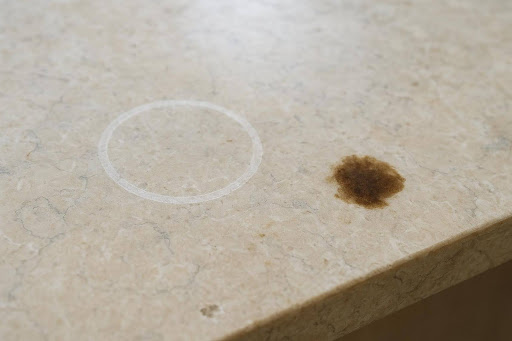
When people think about long-term property care, they often think of paint, roof work, or plumbing updates. But if your property has natural stone, there is another key part that often gets missed: stone restoration. This work is about more than fixing a small chip or cleaning up a spill. It is about protecting the stone’s value and helping it last for many years.
Done the right way, it protects both how the stone looks and how well it holds up, helping your property stay strong and attractive over time. If you want to bring old or worn stone back to life and help your property hold its value, professional stone restoration is a service worth using.
What Is Stone Restoration and How Does It Relate to Property Maintenance?
Definition of Stone Restoration
Stone restoration is the process of bringing stone surfaces back to a better condition after they have been worn down by use, damage, or age. It is more than basic cleaning. It is a full service that can bring back the stone’s strength, shine, and overall finish. Depending on the problem, this can include deep cleaning, repairing damaged areas, smoothing the surface, and polishing it so it looks closer to how it looked when it was first installed.
Think of it as a full treatment, not a quick fix. Whether it is terrazzo floors in a busy building or stone tile in a home bathroom, restoration focuses on the real causes of wear so the surface looks better and performs better.
Differences Between Stone Restoration and Routine Maintenance
Stone restoration and routine maintenance are related, but they are not the same thing. Restoration is usually done less often and focuses on major improvement across a surface. It may include removing deep scratches, fixing heavy etching, deep grout cleaning, sealing, and full honing or polishing of a large area.
Routine maintenance happens more often-monthly, every few months, or twice a year-depending on the space. Its job is to keep the stone in good condition and handle small problems before they get worse. In commercial spaces, maintenance often targets high-traffic lanes with light scratch removal, minor etch repair, and re-sealing. In homes, maintenance might mean treating small areas like countertops after spills, using pH-neutral cleaners, and keeping up with re-sealing. Put simply: restoration brings the stone back; maintenance helps it stay that way.
How Does Stone Restoration Contribute to Long-Term Property Value?
Improvement of Property Appearance
The most noticeable benefit of stone restoration is how much better the property looks. Stone that is dull, stained, or scratched can make a space feel older and less cared for. Services like deep cleaning, honing, polishing, and sealing bring back the stone’s natural color and shine. This can make an interior or exterior look more high-end right away. Clean, bright stone also sends a message that the property has been well cared for.
Prevention of Deterioration and Structural Damage
Restoration is also important for stopping damage from spreading. Small cracks, surface wear from foot traffic, and stains can get worse if they are ignored. Restoration includes repairs and protective treatments that help the stone hold up better over time. This helps the stone last longer and reduces the chance that small problems turn into expensive repairs. Fixing early signs of cracking or surface loss can also help you avoid full replacement and protect the materials underneath.
Impact on Property Valuation and Market Appeal
From a cost point of view, stone restoration is often much cheaper than replacing stone floors, walls, or counters. Full replacement can include demolition, disposal, new materials, and labor-costs that add up quickly. Restoring what you already have is usually a smarter use of money. Stone that looks clean, even, and well-finished can also raise a buyer’s opinion of the property, which may support a higher sale price or help the property rent faster.
Which Common Stone Issues Are Addressed Through Restoration?
Staining, Etching, and Discoloration
Many natural stones are porous, which means they can soak up liquids if they are not sealed well. Acidic items like lemon juice, vinegar, or tomato sauce can also leave etch marks-dull, light spots on polished stone. Over time, dirt, grease, and pollution can also cause stone to darken or change color. Restoration methods handle these problems with deep cleaning, stain-removal treatments, and honing to remove damaged surface layers and bring back an even look.
Cracks, Chips, and Surface Damage
Stone surfaces can be damaged by daily use. People walking on floors, objects dropping, or small shifts in a building can create scratches, chips, or cracks. Uneven tile edges (often called lippage) can look bad and can also be a trip risk. Bigger problems like spalling (flaking or peeling at the surface) or major cracks can weaken the stone. Restoration fixes these issues with methods such as grinding to level the surface, filling chips and cracks, and replacing badly damaged areas when needed using matching stone or repair mortar.
Weathering and Erosion
Outdoor stone takes constant wear from rain, wind, temperature changes, and sun. Over time, this can make stone look faded or rough, and softer stones may even start to flake. Wrong cleaning products, especially harsh or abrasive chemicals, can also strip protection from the surface and speed up damage. Restoration for exterior stone includes cleaning, repair, and protection steps, often finishing with sealers that reduce water entry and help the stone handle outdoor conditions better.
What Are the Main Stone Restoration Techniques?
Cleaning and Stain Removal Processes
Many restoration jobs start with deep cleaning. Stone can collect grime and buildup that normal cleaning cannot fully remove. Professionals use stone-safe, pH-neutral cleaners to break down dirt without harming the surface. For tough stains, they may use poultices (special pastes) that pull stains out of the stone. This step helps bring back the stone’s natural color and prepares it for the next steps.
Grinding and Honing for Surface Leveling
If the surface has scratches, etching, or uneven tile edges, grinding and honing can help. Grinding removes a thin top layer of stone using abrasive tools to fix deeper problems and level out lippage. Honing uses finer abrasives and is used for lighter damage or to create a smooth matte finish. Both steps help create an even surface that is ready for polishing.
Polishing for Surface Improvement
After cleaning and leveling, polishing brings back shine. The polishing method depends on the stone type and its condition. Mechanical polishing uses abrasives in stages to create a glossy, reflective finish-common for marble and granite. Some stones may also use chemical methods like crystallization to bring up shine. A skilled professional chooses the method that fits the stone so it looks good without causing harm.
Filling and Repairing Damages
Repairing chips, cracks, and missing pieces is a major part of restoration. For larger missing areas, a craftworker may cut out the damaged section and insert a matching piece of stone (often called a dutchman repair). Smaller chips and holes may be filled with repair compounds such as epoxy or polyester that are color-matched on site. Crack repairs depend on whether the crack is still moving.
Moving cracks may need flexible sealants, while stable cracks can often be repaired with mortar or epoxy. Wider structural cracks may also need extra support or anchoring.
Protective Sealing and Maintenance Treatments
Many restoration projects end with sealing. Since stone can absorb liquids, a good sealer helps block stains and moisture. Impregnating sealers soak into the stone and help reduce porosity without creating a thick surface layer. After sealing, regular care matters too: cleaning with pH-neutral products and re-sealing when needed (often every one to two years for many impregnating sealers) helps the restored surface last longer.
How to Identify When Stone Restoration Is Needed?
Visual Signs of Wear and Damage
You can often spot the need for restoration by looking closely at the stone. Common signs include dullness where the shine is gone, stains that will not come out, and discoloration that hides the stone’s natural pattern. Scratches and etch marks are also common, on polished stone. Chips, cracks, and small holes (often seen in travertine) are also signs that the stone needs professional attention. If tile edges feel uneven (lippage), that can also mean the surface needs leveling for both looks and safety.
Routine Inspection Recommendations
Besides watching for visible damage, regular inspections help you stay ahead of bigger repairs. Many restoration services start with a close review of the stone, then build a plan based on what the surface needs. For long-term care—especially in historic buildings or busy commercial areas—professionals like Nova Construction Services often suggest scheduled inspections so problems can be found early. Learning about your stone type and its natural differences (for example, through sources like the United States Geological Survey) can also help you understand what is normal and when it is time to call a specialist.
What Are the Benefits of Regular Stone Restoration in Property Maintenance?
Increased Longevity of Stone Surfaces
Regular stone restoration helps stone last longer. Repairing cracks and chips, removing surface damage, and applying protective sealers keeps stone in good shape for far longer than basic cleaning alone. This lowers the risk of early failure and delays the need for major replacement work.
Long-Term Cost Savings Compared to Replacement
Restoration costs money up front, but it can save a lot over time. Stone replacement often means removing old material, hauling it away, buying new stone, and paying for installation. Restoration keeps what you already have and can often produce results that look close to new. That makes it a practical choice for many owners and managers.
Improved Safety and Hygiene in Living and Working Spaces
Restoration also supports cleaner and safer spaces. Dirt and bacteria can settle into porous stone, especially if the surface is worn or unsealed. Deep cleaning removes buildup that normal cleaning may leave behind, which is helpful in places like kitchens and healthcare settings. Fixing uneven tiles reduces trip risks, and proper finishing and sealing can improve how the surface performs underfoot.
Sustainability and Environmental Considerations
Choosing restoration instead of replacement is also better for the environment. Keeping existing stone reduces waste and lowers the need for new quarrying, manufacturing, and transport. Extending the life of stone supports more responsible building practices and reduces the property’s overall impact.
Practical Tips for Maintaining Restored Stone Surfaces
Recommended Cleaning Methods
Good cleaning habits help restored stone stay in great shape. For floors, dust mop or vacuum often to remove gritty dirt that can scratch the finish. Clean spills right away. Use warm water and a pH-neutral stone cleaner, and avoid acidic or harsh products that can damage many stones. If you are unsure, follow guidance from stone care professionals who know how your specific stone should be treated.
Preventive Measures to Reduce Future Damage
Small steps can prevent a lot of damage:
- Keep sealers up to date (often every 1-2 years for many impregnating sealers).
- Use entry mats in high-traffic areas to catch dirt and grit.
- Use coasters and trivets on countertops.
- Wipe up acidic spills quickly to reduce etching.
- Fix building movement or moisture issues that may be causing cracks.
Scheduling Routine Maintenance and Inspections
Set a maintenance schedule based on your stone type and how much wear it gets. This may include monthly, quarterly, or semi-annual service to handle light wear, refresh the finish in key areas, and reapply sealers where needed. Also plan periodic inspections so you can catch problems early. If you notice ongoing dullness, heavy etching, or new cracks, call a stone restoration specialist sooner rather than later-early repairs are usually easier and cheaper.
Frequently Asked Questions about Stone Restoration and Property Maintenance
How Often Should Stone Restoration Be Performed?
How often you need restoration depends on the stone type, how much traffic it gets, weather exposure, and how well it is maintained. Busy commercial spaces may need service more often than a home bathroom. Routine care like cleaning and sealing is often done once or twice a year, while full restoration may be needed every 5-15 years (or longer) depending on wear. The best way to set a schedule is to have a professional review the condition of your stone regularly.
Can All Types of Stone Be Restored?
Most natural stones can be restored very well, including marble, granite, limestone, travertine, onyx, and quartzite. Each stone has its own makeup, so the tools, abrasives, and repair materials must match the stone. A skilled restoration company can choose the right approach to bring back the stone’s look and strength.
Does Restoration Affect Historic or Heritage Properties?
For historic or heritage properties, restoration is a key part of keeping the building’s original look and meaning. In places like New York City, many stone buildings have historic value, so the repair approach must be careful. The age, origin, location, and importance of the stonework can affect the method and cost. Conservators often use older repair methods along with newer tools so repairs match the original materials and do not harm the structure or its character.
Stone restoration plays a major part in long-term property care, and it goes far past appearance. It supports durability, safety, cost control, and sustainability. New tools like laser cleaning and better sealers give owners more options that can be accurate and less disruptive. By keeping up with changes in the industry and working with skilled professionals, you can help your stone surfaces last and keep their natural beauty for decades.
-

 Entertainment6 months ago
สล็อต pg368.net: The Ultimate Guide to Online Slot Gaming
-
 Blog5 months ago
Culinary Delights Around Маријин Трг: Where to Eat and Drink
-

 Tips & guides6 months ago
Jipinfeiche: A Deep Dive into Its Origins and Significance
-

 Tips & guides6 months ago
Navigating faqvehicle .com: A Comprehensive Guide to Vehicle FAQs
-

 Entertainment6 months ago
What’s Your Favorite Sport?
-

 Sports6 months ago
The Physical Demands of the Soccer Player
-

 News4 months ago
Exploring internetchivks: The Rise of Digital Influencers
-

 Sports6 months ago
Sport Specific Training: Soccer