
Modern industry keeps building bigger and higher structures, and many work areas are now hard to reach. This makes safe, efficient maintenance a constant need. So where are rope access services used most often today?
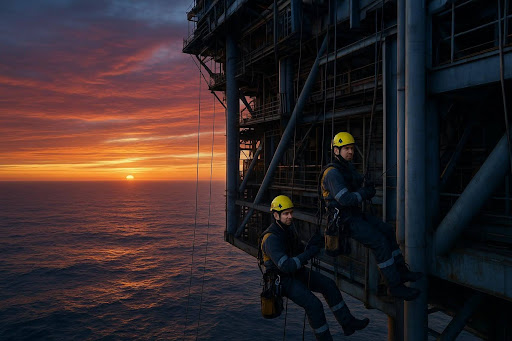
In simple terms, they help teams work in high, tight, or awkward spaces quickly, safely, and at a lower cost than many traditional options. Rope access grew out of offshore oil and gas work in the 1980s and early 1990s, and it has since spread into many other industries.
Using specialist rope systems and well-trained technicians, work can be done without the time, disruption, and high cost linked to scaffolding or large access machines. To learn more about these solutions, see how industrial rope access services are changing how maintenance and inspections are carried out.
Rope access is often more than a backup plan. In many cases, it is the better option for everything from close-up inspections to major repairs. It works well on complex building shapes, large industrial sites, and areas that would otherwise be difficult or unsafe to reach. Whether the job is 15 feet up or 500 feet up, the main benefits stay the same: fast setup, strong safety standards, and less disruption to the site.
Inspection and Non-Destructive Testing (NDT)
A major use of industrial rope access is close inspection and Non-Destructive Testing (NDT). Because technicians can position themselves right next to the surface, they can carry out visual checks and NDT with accuracy that is hard to match from far away.
A good example is power plant boiler inspections, which can be completed much faster and at a lower cost because there is no need to build large scaffold structures. Rope access also makes it easy to move between levels for both visual checks and NDT work.
Rope access is also used for full inspections of piers, wharves, and bridges above and below deck, helping confirm that key structural parts are in good condition while keeping road or rail closures to a minimum. It also works well for internal inspections of vessels and tanks, including tanks with floating roofs where scaffolding is not practical.
Many sites use rope access for inspections, including manufacturing plants, communication towers, wind turbines, dams, incinerators, and process vessels.
Common NDT methods used with rope access include:
- Ultrasonic Thickness Testing (UT)
- Schmidt (Swiss) Hammer Testing
- Infrared Thermography
- Laser Surveys
- Hot Camera Inspections
Maintenance and Repairs
Rope access can be used for a wide range of maintenance and repair work, from planned tasks to urgent fixes. In cement plants, for example, teams can clean and inspect industrial chimneys and smokestacks, repair ductwork and breaching, and complete scheduled maintenance work while staying within tight time and budget limits.
On high-rise buildings, rope access supports day-to-day commercial maintenance such as roof repairs, structural testing, window cleaning, and high-pressure power washing. It is also used for glazing maintenance, surveys, and cleaning work that helps stop water getting into the building.
Communication towers and cellular antennas are another common area where rope access is used because it can be safer and faster than many other access methods. Teams also install, repair, and replace aviation warning light systems to meet required rules and standards.
Other tasks handled through rope access include derrick erection, inspection, and upgrades for shipyards, eye bolt installation and testing for fall protection systems, and inspection and repair work on gantry and large overhead cranes.
Skilled rope access crews can also take on more complex work such as:
- Installing, inspecting, repairing, and replacing lightning protection systems
- Welding services for major industrial repairs
Cleaning and Painting of Industrial Structures
Many industrial structures need regular cleaning, painting, and coating to stay protected and in good condition. Rope access teams often carry out painting, sealing, and coating work on chimneys, smokestacks, and towers that have been damaged by weather or corrosion. They manage the full process, including surface preparation such as sandblasting, then apply new paint, sealant, or protective coatings so the structure is protected and looks better.
Rope access is also used for detailed cleaning of tanks and towers, and for commercial building jobs like window cleaning and facade power washing. This approach helps teams reach difficult surfaces so sites can keep assets in good shape and running well.
Corrosion Prevention and Control
Corrosion is a serious issue in places with high humidity or salt in the air. Rope access helps teams prepare surfaces and apply high-performance coating systems in areas that are hard to reach. This is especially important on offshore platforms, industrial stacks, and petrochemical sites, where corrosion can weaken structures quickly.
Technicians can apply Gunite liners and other specialist coatings to chimneys, smokestacks, furnaces, tanks, and pipelines. This can help cut energy costs, lower future maintenance needs, and reduce emissions. By offering faster access with less equipment, rope access can extend the working life of industrial assets, including in tough environments like Louisiana’s humid, salt-heavy Gulf Coast.
Installation and Dismantling of Equipment
Rope access works well for installing and removing equipment at height. This includes installing, repairing, and replacing aviation warning lights for safety and legal compliance. For larger structures, rope access teams can provide derrick erection, inspection, and upgrade services, supported by detailed safety planning and clear work methods.
Teams also install and test eye bolts used in fall protection systems. Rope access is commonly used to install and replace radar dishes on high-rise buildings and specialist sites, and to install lightning protection systems. In geotechnical engineering, rope access is sometimes used with rock drilling tools to install rock bolts, soil nails, dowels, and earth anchors in hard-to-reach locations. This helps reduce erosion and improves stability.
Rescue Operations at Height
Safety is central to rope access work, and rescue is built into how rope systems are set up. Unlike many traditional access options, rope access requires a rescue plan as part of the anchor system. Technicians are trained and often certified through groups such as SPRAT (Society of Professional Rope Access Technicians). This training prepares them to carry out self-rescue or lower an injured worker to the ground within minutes, which is a major benefit during high-angle work.
Rope access teams can also be used for rescue support in confined spaces such as vessels, towers, and tanks, where standard emergency teams may struggle to get in quickly. Some companies also provide Safety Standby Services for specific high-angle needs, including restraint, positioning, and fall arrest systems, giving an added safety layer for anyone working at height.
Industries Utilizing Rope Access Solutions
Because rope access is flexible and efficient, many industries now use it in different ways. From energy sites to city construction projects, it helps teams work safely while saving time and keeping operations moving.
Oil and Gas
Oil and gas is where modern industrial rope access first developed, and it is still one of the biggest users. Offshore platforms, drilling rigs, flare stacks, pipe racks, and refineries are complex work areas, often with higher risks, where scaffolding or heavy access machines may not work well.
Rope access teams can carry out insulation removal and replacement, coating, painting, resurfacing, rigging and lifting, structural installation, NDT testing, welding services, and Positive Material Identification (PMI) for carbon steel pipe inspections. This supports safe upkeep of key infrastructure, often without long shutdowns or large scaffold builds.
Renewable Energy (Wind and Solar)
As more countries invest in cleaner energy, rope access has become common in renewable energy, especially for wind turbines. Turbines are tall, and their blades and nacelles need specialist inspection, repair, and cleaning.
Rope access teams can reach blades, the gearbox in the nacelle, and all parts of the tower, hub, and cones. This is often faster and less disruptive than using large cranes for each task, helping turbines stay in service and producing power.
Power Generation
Power generation sites, including standard power plants and nuclear sites, have large and complex systems: boilers, pipework, stacks, and chimneys. Rope access can make boiler inspections quicker and cheaper by giving fast access to different levels for visual checks and NDT. Teams also inspect and maintain pipe supports and hangers, identify problems such as cracked pipes, and carry out ductwork and breaching repairs.
For process vessels such as towers, heat exchangers, and autoclaves, planned maintenance and condition monitoring matter a lot. Rope access teams can carry out fast inspections and maintenance work, and may also provide consultation support, such as advice on natural gas conversions to meet regulatory needs.
Construction and Infrastructure
Construction and infrastructure projects use rope access on bridges, dams, spillways, high-rise buildings, and other large structures. On bridges and piers, rope access supports hands-on inspections and repairs while reducing road and rail closures. On buildings, it is used for structural surveys, glazing maintenance, and installing high-rise signage and electrical components.
Rope access is also used for geotechnical and ground anchoring work in difficult locations, as well as slope stabilisation and rock fall protection meshing. This helps protect workers and the public.
Petrochemical and Chemical Plants
Petrochemical and chemical sites have dense networks of pipes, vessels, and towers, so they need specialist maintenance methods.
Rope access work here can include insulation removal and replacement, coating, painting, resurfacing, rigging and lifting, structural installation, NDT testing, structural repair, welding services, and Positive Material Identification (PMI) for carbon steel pipe inspections.
Quick, safe access to confined spaces and complicated structures is especially important in these higher-risk settings.
Shipping and Marine
Shipping and marine operations often involve restricted access due to water, tight spaces, and moving work environments. Rope access is widely used for inspections, NDT testing, welding and repair work, and ultrasonic measurements on marine structures and ships.
It is also used for derrick erection, inspection, and upgrades for shipyards and drilling contractors. The flexibility of rope access makes it a strong fit for marine jobs where standard access methods are limited.
Benefits of Rope Access Services for Modern Industry
Rope access is not just a way to reach high places. It also helps companies improve safety, cut downtime, and reduce overall costs, while keeping sites running smoothly.
Improves Worker Safety and Compliance
Safety is the main priority in industrial work, and rope access has strong safety systems. Modern rope access follows strict international standards set by groups such as IRATA (Industrial Rope Access Trade Association) and SPRAT. Work is done using two-rope systems, certified equipment, and trained technicians. Technicians move through formal certification levels and learn rigging, rescue methods, and first aid, which helps them manage safety on site.
Rope access also has a strong safety record compared with some other methods because it is treated like working with a suspended load rather than relying only on fall arrest. A rescue plan is part of the anchor setup, and this can reduce risk compared with hazards linked to building and using scaffolding.
Reduces Operational Downtime
Many industrial sites cannot afford long shutdowns. Rope access systems can often be set up in minutes or a few hours, while scaffolding may take days to build and remove. Faster setup means teams can start work sooner and finish earlier, which helps reduce downtime.
In many cases, rope access work can happen while the site continues operating, avoiding costly stoppages — one reason providers like Rope Access in London are relied on for industrial maintenance with minimal disruption.
Minimizes Site Disruption
Scaffolding and large access equipment often need a lot of space, and they can block walkways, production areas, or nearby equipment. Rope access needs far less ground space, so its footprint on site is small. This helps work continue with less impact on daily operations and other trades. On busy industrial sites, this can make the full job run more smoothly.
Cost-Effective Maintenance Strategies
Rope access is often cost-effective because it reduces the need for scaffolding, heavy equipment hire, and large lifting machines. This can lower project costs through smaller crews, fewer delays, and less transport of equipment. Savings are usually bigger on taller structures, but even at lower heights, quicker completion times and reduced downtime can still mean real savings for owners and operators.
Enables Access to Difficult and Confined Spaces
Many industrial sites have areas that are difficult to reach due to height, complex shapes, or tight spaces. Rope access is highly flexible and can reach tall towers, offshore platforms, bridges, complex piping, internal vessels, tanks, and even mine shafts. It also works well over water or inside limited building spaces. In some cases, teams can also use engineered alternative access platforms to help reach areas that are otherwise hard to work on.
Fast Project Turnaround Times
Rope access projects are often completed faster because setup and removal time can be much lower than scaffolding-sometimes by up to 70%. Technicians carry tools and materials with them at the work position, which reduces waiting time and dependence on other support structures. This means more time is spent doing the work itself, helping finish jobs faster and keeping industrial operations running.
The Future of Rope Access in Industrial Operations
Industrial sites continue to change, and many are becoming larger and more technical. Maintenance and inspection methods must keep pace. Rope access has already changed how work at height is done, and new tools are now starting to work alongside it.
Innovations and Emerging Technologies
Rope access is still a leading method for hands-on work in difficult locations, but it is increasingly used alongside new inspection tools. Remote Visual Inspection (RVI) tools, including drones and robotic crawlers, are becoming useful options for certain inspection jobs.
Drones fitted with high-definition cameras, thermal imaging, and LiDAR can be deployed quickly and operated from a distance, which helps capture detailed data safely. They can spot heat issues, weak points in structures, or corrosion that may be hard to see.
Robotic crawlers can work well in confined areas such as pipelines, tanks, and ducts, including hazardous places with toxic gas or high radiation. They can send back live video and data without putting a person in that space.
RVI can improve safety, cost, data quality, and speed for inspections. But it does not replace rope access for hands-on tasks such as repairs, welding, or applying coatings. For that reason, the direction of travel is a combined approach: rope access teams and RVI tools working together, each doing what they do best, to build safer and more efficient maintenance and inspection plans.
Expanding Applications Across Industries
Rope access started as a specialist method and has grown into a widely used industrial solution because it is so flexible. Its uses are likely to keep growing as companies push for better efficiency, lower costs, and stronger safety performance. Rope access works well on complex structures, reduces impact on busy sites, and supports fast response when urgent work is needed, which will keep it relevant for many years.
Rope access is more than a safer way to work at height; it is also a more practical one for many jobs. By replacing large scaffold builds with efficient, certified rope systems, industries can reduce costs, improve safety, and complete key maintenance tasks faster. As performance standards rise, trained rope access professionals-supported by new tools and ongoing training-will continue to play a central role in keeping industrial assets safe and working as they should.