
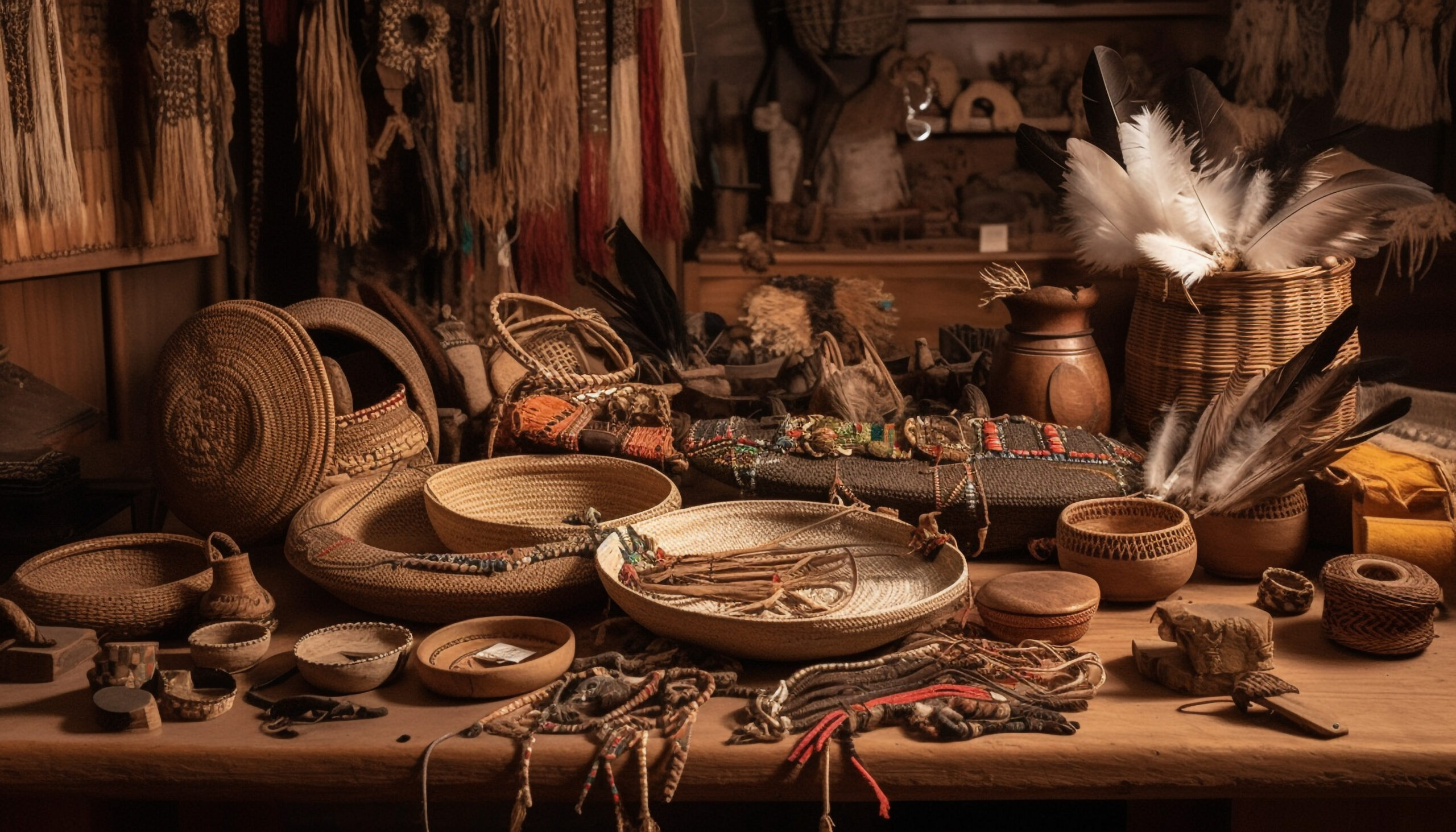
Çbiri is more than just a word; it’s a vibrant expression of art and culture. This unique tradition, steeped in history, captures the essence of craftsmanship that has been passed down through generations. Imagine intricate designs that tell stories and symbolize connections to heritage. If you’ve ever admired handcrafted artistry or wondered about the tales behind traditional crafts, then understanding çbiri might just ignite your passion for cultural exploration. Join us as we delve into this fascinating world where creativity meets tradition, revealing its origins, processes, and enduring significance today.
What is Çbiri?
Çbiri is a captivating traditional craft that reflects the rich cultural heritage of specific regions. This unique art form involves intricate textile designs, often woven or embroidered with vivid colors and patterns.
Originating from deep-rooted customs, Çbiri serves as both an artistic expression and a means of storytelling. Each piece tells a tale, showcasing the skills passed down through generations.
What sets Çbiri apart is its blend of functionality and artistry. These textiles are not just beautiful; they also hold practical uses in daily life, making them integral to home decor and personal attire.
Cherished for their beauty, Çbiri pieces carry profound meanings tied to celebrations and rituals. They embody community spirit while bringing warmth into spaces where they reside.
The Origins of Çbiri
Çbiri traces its roots back to ancient traditions, deeply embedded in the cultural tapestry of specific regions. This art form emerged as a means of storytelling through intricate designs and patterns.
Historically, Çbiri was crafted by skilled artisans who honed their techniques over generations. It became a symbol of identity and heritage for local communities. Each piece tells a unique story, reflecting the beliefs and values of those who created it.
The materials used in Çbiri are often sourced from nature, highlighting the intimate connection between craftsmanship and environment. Natural dyes bring life to its vivid colors, making each creation distinctive.
As time passed, this tradition adapted to changing societal needs while preserving its core essence. Today’s artisans blend traditional methods with contemporary influences, keeping the spirit of Çbiri alive for future generations to appreciate.
The Process of Making Çbiri
Creating çbiri is an intricate process that embodies both artistry and tradition. The first step begins with selecting the right materials, often sourced from local artisans who understand the significance of quality.
Once the materials are gathered, skilled hands begin shaping them into unique designs. Techniques vary by region, adding a distinct flair to each piece. It’s not just about technique; it’s also about intuition and creativity.
Color plays a crucial role in çbiri making. Natural dyes derived from plants or minerals infuse life into each design, ensuring every creation tells its own story.
After crafting the base structure, artisans meticulously add decorative elements. These embellishments often reflect cultural narratives or personal experiences, connecting past and present.
The drying phase requires patience; pieces must be left undisturbed to reach their full potential before they can enter homes as cherished art objects. Each stage is vital in preserving this rich heritage.
The Cultural Significance of Çbiri in Modern Times
Çbiri has transcended its origins to become a vibrant symbol of cultural identity in modern society. As artisans continue to master this intricate craft, they are also revitalizing traditions that speak to contemporary values.
In urban spaces, çbiri serves as a bridge between generations. Younger artists incorporate traditional designs into modern aesthetics, creating pieces that resonate with both old and new audiences. This fusion makes çbiri relevant today.
Moreover, the rise of eco-conscious living has brought attention back to handmade crafts like çbiri. People increasingly seek unique home decor items that tell stories and support sustainable practices.
Community events celebrating çbiri are popping up worldwide. These gatherings not only showcase the art but foster connections among people who appreciate craftsmanship and heritage.
Each piece carries with it a story, making ct b iri more than just decorative; it’s an expression of enduring culture and artistry.
Traditional Uses and Meanings of Çbiri Designs
Çbiri designs carry deep cultural significance, often reflecting the history and values of the community that creates them. Traditionally, these intricate patterns are not merely decorative; they embody stories and beliefs passed down through generations.
Each design holds specific meanings. For instance, certain motifs may symbolize fertility or prosperity, while others are linked to protection against negative energies. This rich tapestry of symbolism makes Çbiri a powerful form of expression.
Additionally, çbiri pieces have played integral roles in various life events. They adorn weddings and celebrations, serving as blessings for new beginnings. In homes, these designs bring warmth and identity into living spaces.
Artisans dedicate years to mastering their craft, ensuring that every piece resonates with authenticity and intention. The emotional connection people feel towards çbiri is palpable; it represents more than art—it’s a bridge between past traditions and contemporary life experiences.
How to Incorporate Çbiri into Your Home Decor
Incorporating çbiri into your home decor can add a touch of cultural flair and artistry. Start with statement pieces, like a beautifully crafted çbiri wall hanging or tapestry. These eye-catching items serve as conversation starters while showcasing intricate designs.
For smaller accents, consider using çbiri-inspired pillows or throws on sofas and chairs. The vibrant patterns will bring warmth to any room without overwhelming the space.
If you’re looking for functional décor, think about çbiri-patterned table runners or serving trays. They elevate everyday dining experiences with an artistic twist.
Don’t shy away from blending traditional pieces with modern aesthetics. A sleek coffee table paired with a vintage çbiri vase creates an interesting contrast that feels both timeless and fresh.
Remember to keep balance in mind. Let the beauty of çbiri shine by choosing complementary colors and minimalistic furnishings around it.
Preserving and Promoting the Tradition of Çbiri
Preserving the tradition of çbiri requires active engagement from communities and artisans alike. Workshops focused on teaching the craft can ignite interest among younger generations.
Local art festivals present a vibrant platform for showcasing this unique skill. These events not only celebrate çbiri but also foster connections between craftspeople and enthusiasts.
Social media plays a crucial role in promoting çbiri to a broader audience. Sharing videos or tutorials online can demystify the process, inviting more people into its rich world.
Collaborations with contemporary artists might breathe fresh life into traditional designs while respecting their roots. This fusion keeps çbiri relevant and appealing.
Engaging local schools through educational programs about cultural heritage ensures that these skills are valued and passed down. It’s about creating an environment where tradition is celebrated and innovation thrives side by side.
Conclusion
Çbiri is more than just an artistic expression; it embodies history, culture, and community. As we delve deeper into its origins and techniques, we uncover a rich tapestry of tradition that has withstood the test of time. The intricate designs not only serve decorative purposes but also carry deep meanings and stories from generations past.
Incorporating çbiri into home decor transcends mere aesthetics. It invites conversations, evokes nostalgia, and fosters connections to cultural heritage. By embracing this unique craft in our modern lives, we honor those who came before us while ensuring that their artistry continues to thrive.
As enthusiasts and practitioners work towards preserving this remarkable tradition, çbiri stands as a testament to human creativity and resilience. Whether displayed on walls or woven into textiles, each piece tells a story waiting to be shared. Engaging with çbiri enriches our lives by connecting us across cultures and generations a beautiful reminder of the art that binds us all together.