
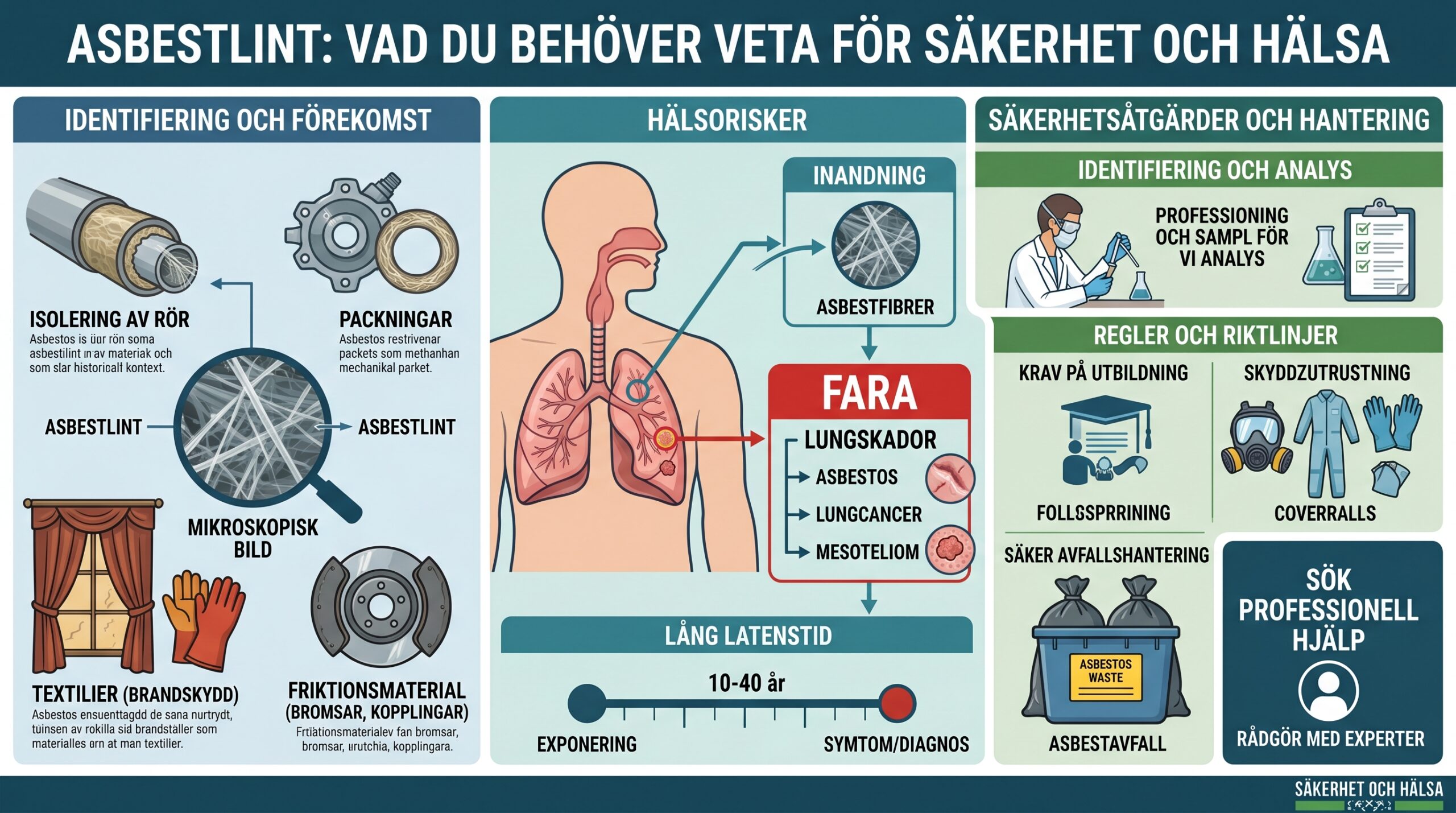
Asbestlint, or asbestos tape, is a term that often raises eyebrows and sparks concern. Many people may not realize just how prevalent this material was in homes and workplaces across the globe. Used for its heat resistance and insulating properties, asbestlint has unfortunately earned a notorious reputation due to its potential health risks. If you’re living or working in an older building, understanding what asbestlint is and recognizing its dangers can be crucial for your safety.
With many myths surrounding it, navigating the world of asbestos-related materials might seem daunting. But don’t worry; we’ll break down everything you need to know about asbestlint—from identifying it in your environment to ensuring safe handling practices—so you can protect yourself and those around you effectively. Let’s dive into the essential facts about this hidden hazard!
What is Asbestlint?
Asbestlint, or asbestos tape, is a type of material that was commonly used in construction and insulation. It consists of fibrous minerals known for their heat resistance and durability.
Often found in older buildings, asbestlint serves various purposes such as sealing joints or insulating pipes. Its ability to withstand extreme temperatures made it popular among builders.
However, what sets asbestlint apart is its composition. The fibers within this tape can become airborne when disturbed. This poses serious health risks to anyone exposed to them over time.
Identifying asbestlint requires caution since you might encounter it in unexpected places like attics or basements. Proper knowledge about its characteristics helps homeowners and workers recognize potential hazards effectively.
The Dangers of Asbestlint Exposure
Asbestlint poses significant health risks that should not be ignored. When disturbed, this material releases tiny fibers into the air. Inhaling these fibers can lead to serious respiratory issues.
Prolonged exposure is particularly dangerous. It has been linked to severe conditions such as asbestosis and lung cancer. Symptoms may take years to appear, making early detection challenging.
Even brief encounters with airborne asbestos particles can have lasting effects on your health. Often, symptoms like coughing or shortness of breath go unnoticed until the damage is already done.
It’s crucial to understand that even small amounts of exposure can be harmful. This awareness encourages proactive measures for safety in homes and workplaces where asbestlint might be present.
How to Identify Asbestlint in Your Home or Workplace
Identifying asbestlint can be challenging, especially in older buildings. This material often resembles fabric and is typically gray or white.
Look for it in areas that might have been insulated, such as around pipes or ducts. It’s also commonly found in walls and ceilings of structures built before the 1980s.
Check for any fraying edges or visible damage; these are signs that the material may be deteriorating. If you suspect a product contains asbestlint but aren’t sure, avoid disturbing it.
Keep an eye out for warning labels on materials too. Many manufacturers marked their products to indicate asbestos content.
If you’re uncertain about what you find, consult with professionals who specialize in asbestos inspection and testing. They can provide clarity and ensure safety measures are properly followed during identification processes.
Safety Precautions for Handling Asbestlint
When handling asbestlint, safety should be your top priority. Always wear appropriate protective gear. This includes a high-quality respirator, gloves, and disposable coveralls to minimize exposure.
Ensure the area is well-ventilated. If possible, work outdoors or use an air filtration system indoors to reduce airborne fibers.
Avoid dry sweeping or vacuuming with standard vacuums; these methods can release harmful particles into the air. Instead, use wet methods to dampen the material before removal.
Seal any disturbed asbestlint in airtight containers for safe disposal. Keep the workspace isolated from others to prevent accidental exposure.
Regularly wash hands and change clothes after working with asbestlint to avoid contaminating other areas of your home or workplace. Awareness and preparation are key elements in ensuring everyone’s safety when dealing with this hazardous material.
Health Risks and Symptoms of Asbestlint Exposure
Asbestlint exposure poses significant health risks that can manifest years after initial contact. The fibers, when inhaled or ingested, can lead to serious respiratory issues.
Common symptoms include persistent cough and chest pain. Shortness of breath often develops as the lungs struggle to function properly.
Some individuals may experience fatigue or unexplained weight loss. These signs can be subtle at first but should not be ignored.
Long-term exposure increases the risk of developing mesothelioma, a rare cancer primarily affecting the lining of the lungs. Asbestosis is another potential outcome, causing irreversible lung damage over time.
If you suspect any signs related to asbestlint exposure, seeking medical advice is crucial for early detection and intervention. Awareness is key in managing these risks effectively while protecting your health.
Proper Removal and Disposal of Asbestlint
When it comes to asbestlint, proper removal and disposal are crucial. Handling this material without the right precautions can be hazardous. Always wear protective gear, including respirators and gloves.
Before starting any removal process, ensure you seal off the area. This minimizes dust spread to other parts of your home or workplace. Use plastic sheeting for containment.
Cutting asbestlint should be done gently to prevent fiber release. Keep materials damp during removal to reduce airborne particles. Carefully place removed sections in sealed bags labeled “Asbestos Waste.”
After securing everything, contact a licensed asbestos abatement professional for disposal. They have the training and equipment needed to handle such materials safely according to local regulations.
Improper disposal can lead not only to health risks but also legal consequences. Always prioritize safety over convenience when dealing with asbestlint issues in your environment.
Regulations and Laws Surrounding Asbestlint
Asbestlint is regulated under strict laws due to the serious health risks associated with its exposure. Various countries have implemented guidelines to manage and control asbestos materials in both residential and commercial properties.
In many regions, the use of asbestlint has been banned or severely restricted. These regulations aim to prevent any new installations and ensure safety during renovations or demolitions.
Property owners must follow specific protocols when dealing with existing asbestlint. This typically includes notifying local authorities before beginning removal or renovation work.
Additionally, workers handling asbestlint need appropriate training and certifications. Compliance with occupational safety standards is crucial for minimizing risk on job sites.
Regular inspections may be mandated for buildings known to contain asbestlint, ensuring that any potential hazards are identified swiftly. Understanding these regulations is vital for anyone involved in property management or construction activities where asbestos might be present.
Alternative Materials to Replace Asbestlint
When considering alternatives to asbestlint, there are several safe and effective materials available. These options provide similar benefits without the associated health risks.
Fiberglass is a popular substitute. It offers excellent insulation properties and is resistant to fire. This makes it a great choice for both residential and commercial applications.
Another alternative is cellulose insulation, made from recycled paper products. It’s eco-friendly and provides good thermal performance while being non-toxic.
Mineral wool is also worth mentioning. Composed of natural or synthetic fibers, it offers soundproofing qualities along with resistance to heat and fire.
Cotton insulation has emerged recently as well, offering an organic option that’s biodegradable and safe for indoor air quality.
Each of these materials presents unique advantages that can meet various building needs while ensuring safety in homes and workplaces alike.
Conclusion
Asbestlint, often found in older buildings and materials, presents significant risks if not handled properly. Understanding what asbestlint is and how to identify it can help you protect yourself and those around you. From recognizing its presence to implementing safety precautions during handling, being informed is essential.
The health implications of exposure are serious; symptoms may not appear until years later. Therefore, awareness of the signs and proper removal methods cannot be understated. It’s also important to stay updated on regulations surrounding asbestlint since laws evolve over time to prioritize public safety.
For those looking for alternatives, several modern materials offer safer options without compromising quality or efficiency. Making informed choices will ensure that your living or working environment remains safe from the dangers associated with asbestlint exposure.
Taking proactive steps can safeguard your health and the well-being of others while promoting a secure environment free from hazardous substances like asbestlint.