
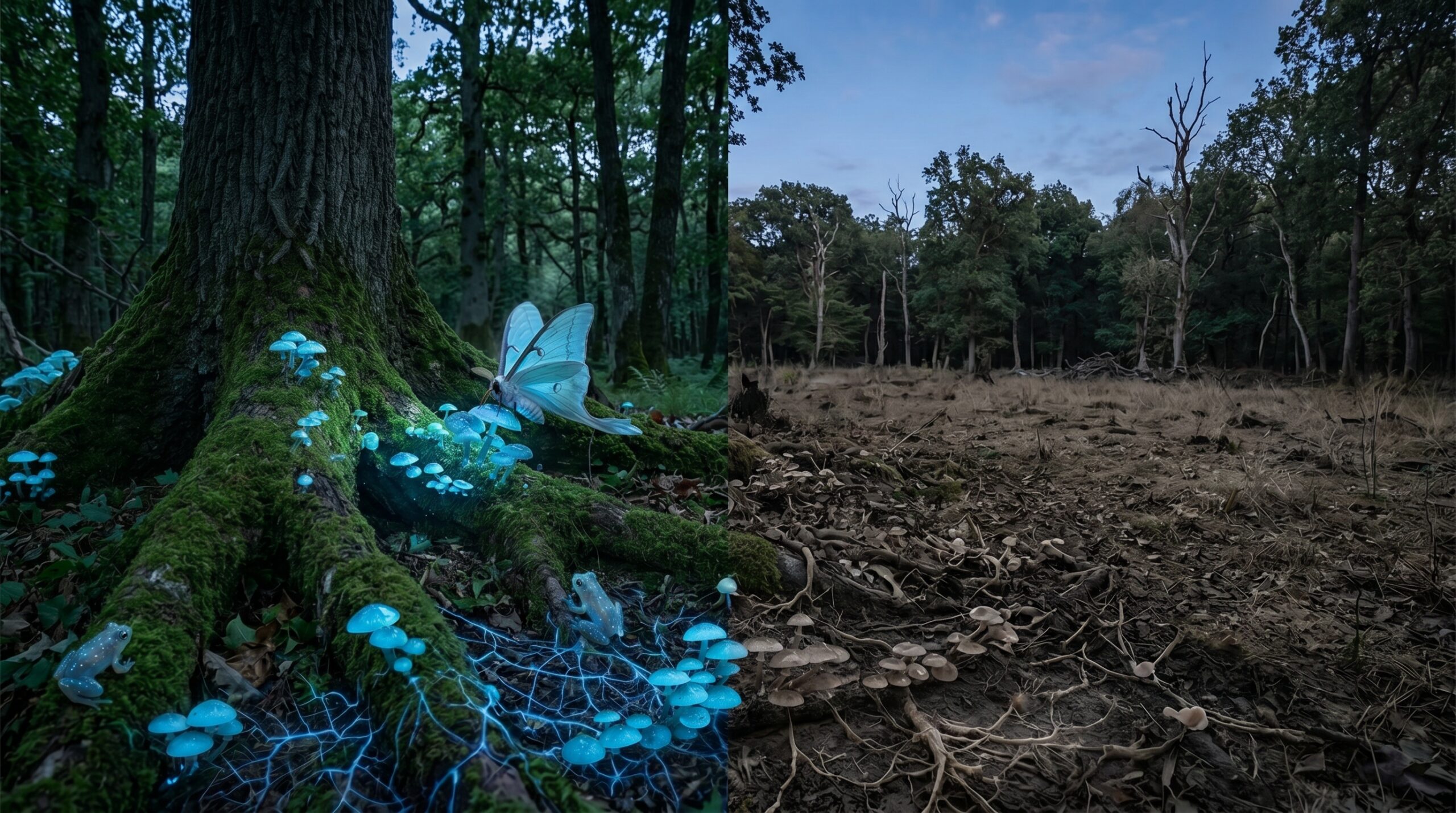
Imagine a world bustling with life, where tiny yet crucial players weave intricate webs of connections within ecosystems. Among these fascinating organisms are boelis, often overlooked but vital to our planet’s health and biodiversity. As guardians of the environment, they play essential roles that go far beyond what meets the eye. Dive into this exploration of boelis in nature, uncovering their diversity, functions in ecosystems, threats they face, and why it’s important to protect them for future generations. Join us on this journey and discover how these small entities hold immense power over the delicate balance of our natural world.
What is Boelis?
Boelis refers to a fascinating group of organisms that play crucial roles in various ecosystems. They are often overlooked yet vital players in the web of life.
These creatures can be found in diverse habitats, from lush forests to arid deserts. Each species has adapted uniquely to its environment, showcasing nature’s incredible ingenuity.
Typically small and elusive, Boelis contribute significantly to nutrient cycling within their ecosystems. They interact with plants and other wildlife, fostering relationships that enhance biodiversity.
Their presence indicates a healthy ecosystem; when they thrive, it often signals balance among all living things nearby. Understanding what Boelis are helps us appreciate their importance in maintaining ecological harmony.
The Diversity of Boelis in Nature
Boelis represent a fascinating array of species found across various ecosystems. Their adaptability allows them to thrive in diverse habitats, from lush forests to arid plains.
These organisms exhibit an incredible range of forms and behaviors. Some are brightly colored, while others blend seamlessly with their surroundings. This diversity plays a crucial role in their survival strategies.
Within different environments, boelis fulfill specific niches that contribute to the overall health of the ecosystem. Each species interacts uniquely with plants, animals, and microorganisms around them.
This specialization enhances biodiversity by promoting intricate relationships among various life forms. In turn, these interactions can lead to greater resilience against environmental changes.
Studying the variety within boelis helps scientists understand evolutionary processes and ecological dynamics more deeply. It sheds light on how interconnected life truly is on our planet.
Key Functions of Boelis in Ecosystems
Boelis play a vital role in maintaining ecosystem balance. They act as pollinators, facilitating plant reproduction by transferring pollen from one flower to another. This process is essential for the growth of many crops and wild plants.
Additionally, Boelis serve as natural pest controllers. By preying on insects that can harm vegetation, they help keep populations in check. This contributes to healthier plant communities and reduces the need for chemical pesticides.
Their presence also supports soil health through nutrient cycling. As they break down organic material, Boelis enrich the soil with valuable nutrients necessary for plant growth.
Moreover, these organisms provide food sources for various animals within their habitats. Their interconnected roles highlight how crucial Boelis are in sustaining biodiversity across different ecosystems. Without them, many ecological processes would falter or collapse entirely.
Threats to Boelis and their Impact on Biodiversity
Boelis face numerous threats that jeopardize their survival and the ecosystems they inhabit. Habitat destruction is one of the primary concerns. Urbanization, deforestation, and agricultural expansion fragment their living spaces.
Climate change also poses a significant risk. Alterations in temperature and precipitation patterns disrupt their natural habitats, impacting breeding cycles and food availability.
Pollution further exacerbates these challenges. Contaminants can accumulate in their environments, leading to health issues that threaten population stability.
Invasive species introduce additional competition for resources, often outcompeting native boelis populations for food and space. This diminishes their chances of survival while altering local biodiversity dynamics.
The decline of boelis not only affects them but also ripples through ecosystems that depend on them for various ecological functions. Losing these unique organisms could destabilize entire habitats, leading to unforeseen consequences for many other species.
Conservation Efforts for Boelis
Conservation efforts for boelis are gaining momentum as awareness grows about their ecological significance. Various organizations are actively implementing strategies to protect these vital organisms.
Habitat preservation is a key focus. By safeguarding natural environments, we ensure that boelis can thrive in ecosystems where they play crucial roles.
Research initiatives also contribute significantly. Scientists study the behavior and interactions of boelis, providing valuable insights for effective conservation practices.
Community engagement is essential too. Educating local populations about the importance of boelis fosters a culture of stewardship, encouraging people to participate in protecting these creatures.
Collaboration among governments, NGOs, and researchers promotes comprehensive approaches to conservation. These partnerships amplify resources and expertise aimed at sustaining healthy boelis populations across diverse habitats.
Funding for ongoing projects remains critical. Financial support allows teams on the ground to implement necessary measures while monitoring changes within ecosystems influenced by boelis activity.
Benefits of Maintaining a Healthy Boelis Population
Maintaining a healthy Boelis population offers numerous benefits to both ecosystems and human communities. These organisms contribute significantly to nutrient cycling. They help break down organic matter, returning essential nutrients back into the soil.
Boelis also plays a vital role in food webs. As prey for various species, they support higher trophic levels, ensuring ecological balance. With their presence, these ecosystems thrive with diverse plant and animal life.
Additionally, healthy Boelis populations can indicate environmental health. Their sensitivity to changes makes them excellent bioindicators of ecosystem conditions.
Furthermore, preserving Boelis supports local economies that rely on biodiversity for tourism and recreation activities. The beauty of nature often hinges upon the intricate relationships formed by such species.
Their unique characteristics make them valuable not only ecologically but also culturally, enriching our connection with the natural world around us.
Conclusion
Boelis play an essential role in the delicate balance of ecosystems. Their diverse species contribute significantly to biodiversity, serving various functions that help maintain ecological health. Protecting these organisms is paramount as they face numerous threats from habitat loss and climate change.
Conservation efforts aimed at safeguarding Boelis populations are crucial not only for their survival but also for the overall well-being of the environments they inhabit. Healthy Boelis populations ensure a richer, more resilient ecosystem, benefiting countless other species and humans alike.
By understanding their importance and advocating for their protection, we can foster a future where both Boelis and our planet thrive together harmoniously.