
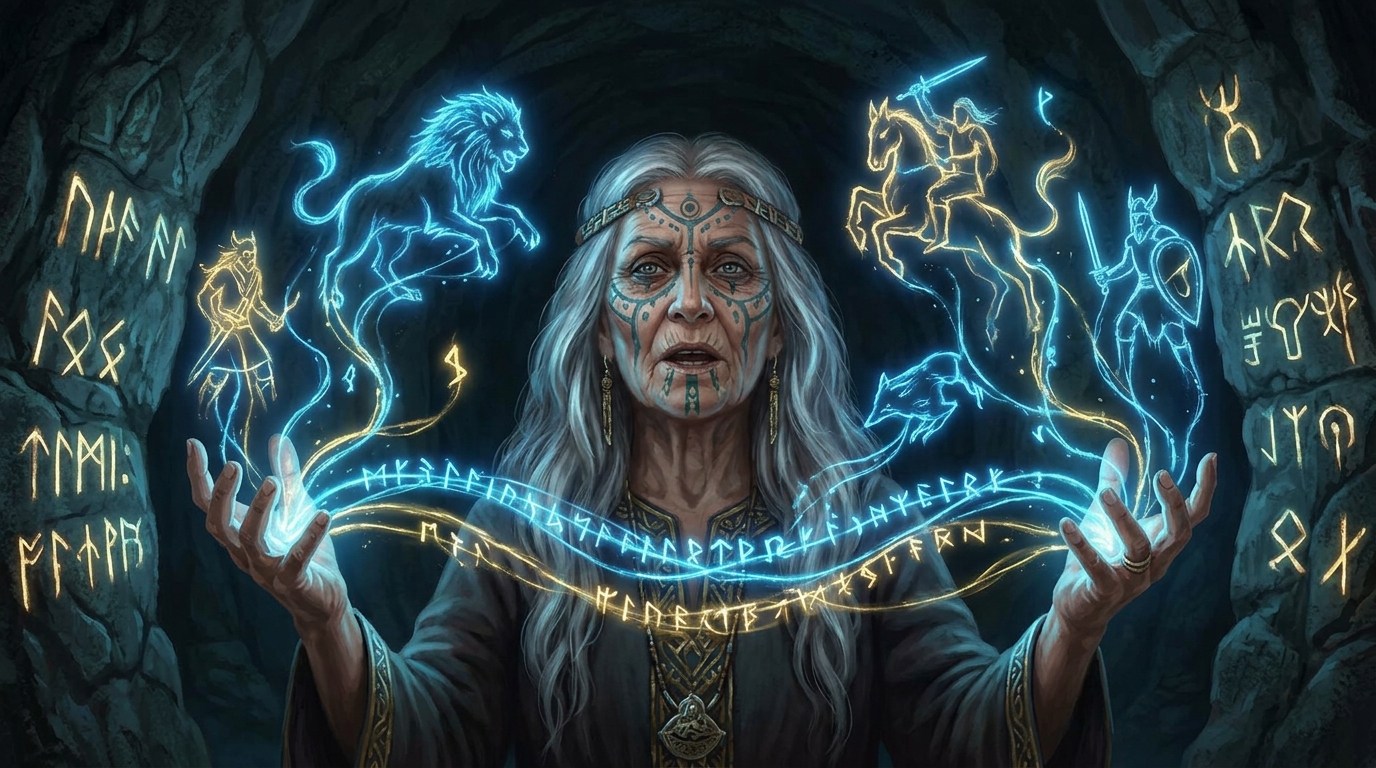
Storytelling has always been an essential part of human culture. From ancient myths to modern novels, the way we weave tales reflects our values, experiences, and ambitions. One fascinating element that enhances these narratives is a concept known as sagerne. But what exactly is it? This intriguing storytelling technique has roots steeped in history and continues to shape how stories are crafted today.
Sagerne offers layers of meaning and emotion that resonate with audiences on multiple levels. It transforms simple plots into intricate tapestries of experience, allowing storytellers to explore deeper themes while engaging their readers’ imaginations. As we delve into the art of sagerne, we’ll uncover its definition, trace its historical significance, and examine its powerful influence on contemporary media.
What is Sagerne?
Sagerne is an intriguing storytelling device that captures the essence of narrative depth. It refers to tales rooted in folklore, often rich with cultural significance and moral lessons.
These stories typically blend elements of fantasy with real-world experiences. They create a bridge between generations, passing wisdom through captivating narratives.
At its core, sagerne celebrates the oral tradition. Storytellers use it to connect communities while preserving history and values. The beauty lies in its adaptability; these stories can evolve over time, reflecting contemporary issues or societal changes. This fluidity ensures their relevance across different eras.
In modern contexts, sagerne continues to inspire writers and filmmakers alike. By weaving traditional themes into current narratives, they breathe new life into age-old truths.
How Sagerne is Used in Storytelling
Sagerne plays a pivotal role in storytelling by infusing narratives with depth and emotion. It acts as a bridge between the audience and characters, offering insights into their motivations.
Through sagerne, storytellers can establish rich backstories without lengthy exposition. A few carefully chosen details can evoke powerful imagery and feelings. This technique allows readers to connect on a personal level.
Moreover, sagerne often serves to highlight cultural contexts or moral lessons. By weaving these elements seamlessly into plots, writers create relatable situations that resonate across generations.
In many cases, it brings an element of surprise or revelation. A twist grounded in sagerne can shift the entire narrative perspective, leaving audiences contemplating long after the story ends. Its versatility encourages creativity while reinforcing thematic elements that linger in the minds of viewers or readers alike.
Examples of Sagerne in Popular Media
Sagerne has found its way into various popular media, captivating audiences with rich storytelling. One prime example is the beloved animated series “Avatar: The Last Airbender.” Here, the journey of Aang and his friends epitomizes sagerne through their quests for balance and identity.
In literature, Neil Gaiman’s “American Gods” intricately weaves sagerne themes as characters grapple with mythology in a modern context. Each character’s tale adds depth to the overarching narrative.
Moviegoers can see sagerne at play in films like “The Lord of the Rings.” Frodo’s perilous adventure embodies classic elements of this storytelling technique overcoming adversity while discovering personal strengths along the way.
Video games such as “The Witcher 3” also embrace these motifs by allowing players to shape their destiny within a richly woven world filled with moral choices and consequences.
The Impact of Sagerne on Modern Storytelling
Sagerne has reshaped the landscape of modern storytelling in profound ways. By weaving complex narratives, it allows for deeper character development and multifaceted plots.
This technique engages audiences on multiple levels. It invites them to explore motivations and consequences beyond surface-level actions. In film and literature, we see sagerne employed to create intricate backstories that enrich the main narrative. Characters feel more relatable when their journeys are presented as part of a larger tapestry.
Moreover, sagerne fosters emotional connections between characters and viewers or readers alike. When stories unfold through a series of events or told from different perspectives, they resonate more deeply with audiences.
The influence extends into genres like fantasy and science fiction where world-building thrives on layered storytelling. Sagerne adds depth to fantastical elements while grounding them in human experience.
How to Incorporate Sagerne into Your Own Writing
To weave sagerne into your writing, start by understanding its essence. Sagerne thrives on cultural narratives and rich storytelling traditions. Research local myths, legends, or tales that resonate with you.
Next, create characters that embody these stories. They should reflect the themes of resilience or transformation found in traditional narratives. Using them as anchors can deepen your story’s emotional impact.
Consider structure too. Play with non-linear timelines to mimic the oral storytelling style often seen in sagerne. This approach adds layers to your narrative. Incorporate vivid imagery and sensory details inspired by these tales; let readers feel the texture of history through your words.
Don’t shy away from blending genres sagerne works well across fantasy, drama, or even contemporary settings. Experimentation will reveal new dimensions to both your voice and the stories you tell.
Criticisms and Controversies Surrounding the Use of Sagerne
Sagerne, while celebrated for its narrative depth, has faced considerable criticism. Detractors argue that it can lead to overused tropes and clichés. This repetition sometimes diminishes the originality of storytelling.
Moreover, some claim that reliance on sagerne may hinder character development. When stories lean heavily on established narratives, characters might feel flat or predictable. Audiences crave complexity and authenticity in their heroes and villains.
Cultural appropriation is another concern. Utilizing sagerne from different cultures without proper understanding can perpetuate stereotypes or misrepresent traditions.
Additionally, there are debates about the ethical implications of certain tales derived from sagerne. What message do these stories convey? Are they promoting harmful ideologies?
As with any narrative technique, it’s essential to navigate these waters thoughtfully and responsibly. Understanding both the power and pitfalls of sagerne opens a dialogue about its role in modern storytelling.
The Enduring Power of Sagerne in Storytelling
Sagerne captivates audiences by weaving timeless themes into the fabric of modern narratives. Its ability to bridge generations is remarkable. As stories evolve, their core messages often remain anchored in sagerne.
Through archetypal characters and age-old conflicts, sagerne resonates deeply with human experience. This connection creates a familiarity that draws readers in, making them feel at home within the tale’s universe.
Moreover, as society changes, so does the interpretation of these traditional tales. Writers infuse contemporary issues into classic structures. This fusion allows for fresh perspectives while maintaining the essence of sagerne.
The universality embedded in these stories transcends cultural boundaries. Whether through oral tradition or digital media, sagerne continues to inspire creativity across diverse platforms and genres.
In a world overflowing with content, it’s this enduring power that grants storytelling its magic—an invitation for all to explore the depths of human nature through narrative form.
Conclusion
The journey through the world of sagerne reveals its profound influence on storytelling. This narrative technique has shaped countless tales, drawing audiences in with its unique charm.
Each story that employs sagerne adds layers of meaning and emotion. Writers can evoke connections that resonate deeply with their readers. As we explore modern narratives, the presence of sagerne is undeniable. It enriches plots and characters, making them more relatable.
Creating your own stories using this method opens up a realm of possibilities. The art lies in understanding how to weave these elements seamlessly into your work.
Engaging with sagerne isn’t just about following a trend; it’s about embracing an age-old tradition that continues to evolve. Each new generation finds fresh ways to interpret it, ensuring its relevance for years to come.
FAQs
What is Sagerne?
Sagerne refers to a unique storytelling method that emphasizes narrative depth through layered character development and intricate plots. Originating from oral traditions, it has evolved over centuries, shaping how stories are told today.
How can I identify Sagerne in media?
You can spot sagerne in various forms of popular media, such as films, novels, and television series. Look for complex characters whose backstories influence their decisions or multifaceted plots where multiple storylines converge.
Can any genre use Sagerne effectively?
Absolutely! While sagerne often appears in fantasy and literary fiction, it can enhance the storytelling experience across all genres be it thriller, romance, or even non-fiction.
Are there famous examples of Sagerne?
Yes! Many beloved works exhibit elements of sagerne. Think of “Game of Thrones” with its range of characters and intertwined plotlines or classic literature like “Moby Dick,” which dives deep into the psyche of its characters while exploring broader themes.
Is incorporating Sagerne difficult for new writers?
It might seem challenging at first but is certainly achievable with practice. Start small by developing your characters’ backgrounds before expanding on your plot layers. Experimenting will help you find your own voice within this style.
How does Sagerne affect reader engagement?
When done well, sagerne hooks readers by creating relatable characters with rich histories and emotional arcs. This connection keeps audiences invested in the outcome while providing a more immersive reading experience.
Why do some criticize the use of Sagerne?
Critics argue that overly complicated narratives may confuse readers rather than engage them. It’s essential to strike a balance between complexity and clarity when weaving sagerne into your writing.
The journey through understanding sagerne reveals its significant role in contemporary storytelling dynamics. Whether you’re an aspiring writer or simply a curious reader, embracing these techniques could deepen both creation and enjoyment alike.