
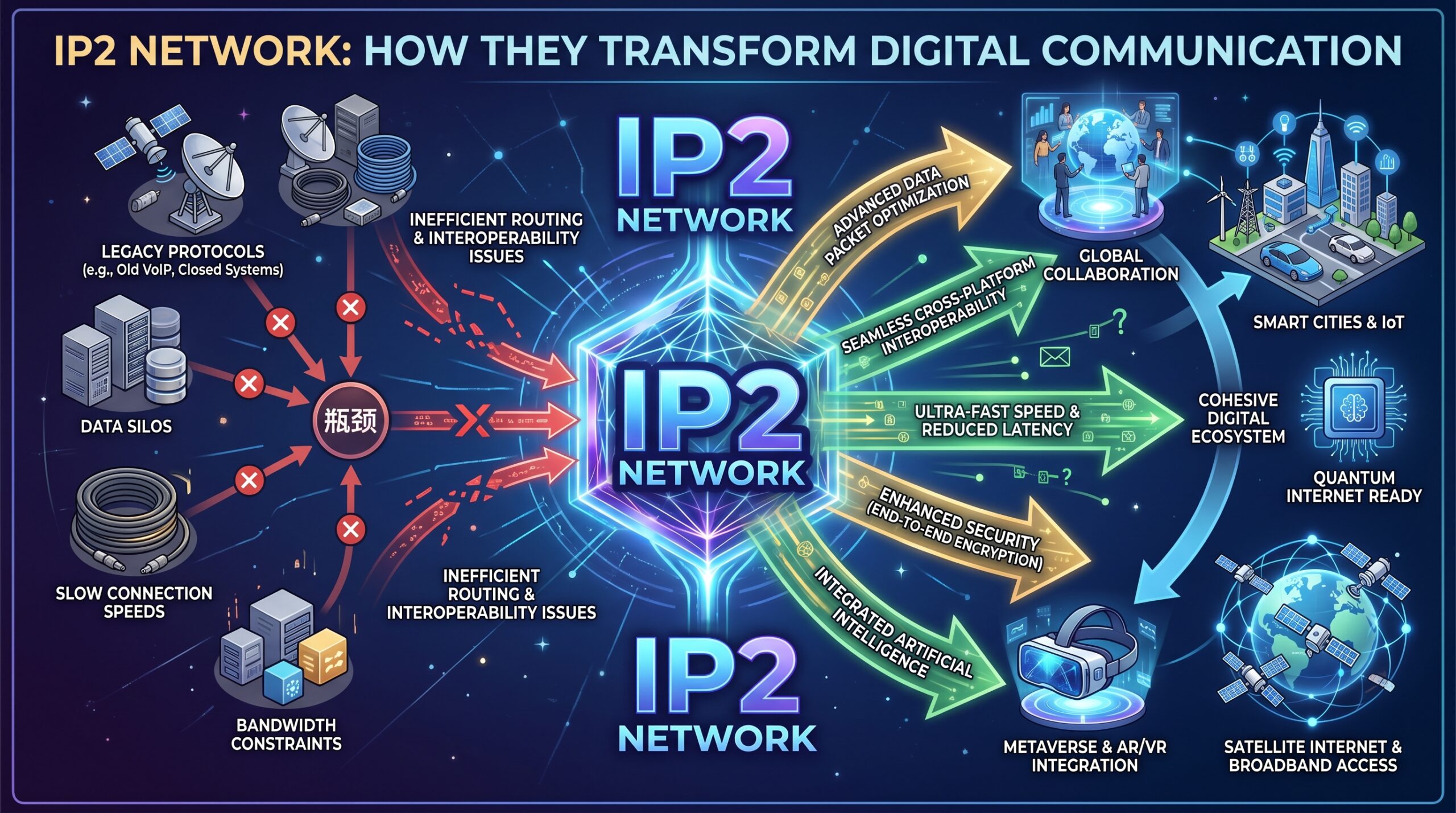
In an age where digital communication is paramount, the tools we use to connect with one another are constantly evolving. Enter the IP2 Network – a game changer in the realm of online interactions. As businesses and individuals alike seek faster, more efficient ways to communicate, this innovative network has emerged as a leading solution. But what exactly is the IP2 Network? How does it work its magic? Join us on this journey as we explore the fascinating world of IP2 and discover how it’s transforming digital communication for everyone. Welcome to a new era of connectivity!
What is IP2 Network?
The IP2 Network is a cutting-edge digital communication framework that utilizes Internet Protocol version 2. It enhances the way data travels over networks, providing faster and more reliable connections.
Designed for modern demands, this network architecture supports various applications ranging from video conferencing to high-speed file transfers. Its versatility makes it suitable for businesses of all sizes.
With its layered approach to connectivity, the IP2 Network optimizes bandwidth usage and minimizes latency. This means smoother interactions and improved user experiences across platforms.
Security is another cornerstone of the IP2 Network. Advanced encryption protocols ensure that sensitive information remains protected during transmission, fostering trust among users.
As industries evolve, so does the need for robust communication solutions like the IP2 Network. Its innovative features position it as a game-changer in an increasingly digital world.
Key Features and Benefits of IP2 Network
The IP2 Network stands out due to its innovative architecture. It offers seamless communication, allowing for real-time data transfer without delays. This enhances user experience significantly.
Another key feature is its security protocols. IP2 Network employs advanced encryption techniques that safeguard sensitive information from potential threats. Users can communicate with confidence, knowing their data is protected.
Scalability is also a major benefit of the IP2 Network. Businesses can easily adjust resources based on demand, ensuring efficiency and cost-effectiveness. This flexibility makes it suitable for companies of all sizes.
Additionally, the network’s integration capabilities streamline workflows by connecting various applications effortlessly. Teams collaborate better when tools work in harmony.
The support system behind the IP2 Network deserves mention. With dedicated customer service and robust community forums, users have access to help whenever needed.
How IP2 Network is Revolutionizing Digital Communication
The IP2 Network is changing the way we think about digital communication. It offers a decentralized approach, moving away from traditional systems that often rely on centralized servers. This shift fosters greater resilience and flexibility in network operations.
With its unique infrastructure, IP2 enhances security through encryption and distributed data handling. Users can communicate without fearing data breaches common in conventional networks.
Moreover, it enables seamless integration across various platforms. Businesses can connect with clients globally without the usual barriers of outdated technology.
Real-time collaboration becomes effortless as teams engage over secure channels. The speed of information sharing accelerates productivity like never before.
As more organizations adopt this innovative framework, the landscape of digital communication continues to evolve dramatically. Companies are discovering new ways to interact while maintaining privacy and efficiency at their core.
Success Stories of Companies Using IP2 Network
Companies across various sectors are harnessing the power of the IP2 Network to enhance their communication capabilities. One notable success story comes from a leading financial institution that streamlined its internal messaging systems. By adopting IP2, they reduced latency and improved data transfer speeds significantly.
Another example is a global e-commerce platform that implemented IP2 for customer support communications. The result? Quicker response times and happier customers, translating into higher sales conversions.
A tech startup also leveraged the IP2 Network to facilitate seamless collaboration among remote teams. Enhanced video conferencing quality led to more productive meetings and innovative brainstorming sessions.
These real-world applications highlight how diverse industries are benefiting from the advanced functionalities offered by the IP2 Network, ultimately driving growth and efficiency in their operations.
Challenges and Criticisms of IP2 Network
Despite its innovations, the IP2 network faces several challenges. One pressing concern is the complexity of integration with existing systems. Businesses often struggle to adapt their infrastructure to accommodate this new technology.
Security is another significant issue. While IP2 aims to enhance communication, it also raises questions about data privacy and protection from cyber threats. Organizations must ensure robust measures are in place.
Additionally, there’s hesitance among some industries regarding reliability. Critics argue that disruptions can occur during high traffic periods, which could hinder essential communications.
There’s a learning curve for users unfamiliar with the system’s functionalities. Training and adaptation time can slow down initial implementation efforts and impact productivity during transitions.
Future Outlook for IP2 Network
The future of the IP2 Network looks promising as it continues to evolve alongside technological advancements. With increasing demand for efficient digital communication, innovation will play a critical role in shaping its capabilities.
As more businesses adopt remote work models, the need for reliable connections will drive enhancements within the network. Expect improvements in scalability and speed to support growing user bases.
Moreover, security remains paramount. The IP2 Network is likely to invest heavily in advanced encryption technologies that safeguard data integrity and privacy.
Collaboration with emerging tech trends like artificial intelligence could also redefine its functionalities. This synergy can lead to smarter routing systems and predictive analytics that optimize network performance.
With ongoing development and adaptation, the IP2 Network stands poised to reshape how we connect in an increasingly digital world.
Conclusion
As we navigate the ever-evolving landscape of digital communication, the IP2 Network stands out as a transformative force. Its innovative approach is reshaping how businesses connect with their audiences and streamline their operations. The blend of its key features—speed, scalability, security, and cost-effectiveness—makes it an attractive option for companies looking to enhance their communication strategies.
Success stories from various industries demonstrate that adopting the IP2 Network can lead to significant improvements in efficiency and customer engagement. However, like any technology, it faces challenges and criticisms that warrant attention. Addressing these concerns will be crucial for its long-term success.
Looking ahead, the future of the IP2 Network appears promising. As more organizations recognize its potential benefits and adapt to this new paradigm of digital communication, we can expect continued growth and innovation in this space. Embracing such advancements could very well redefine our connected experiences in meaningful ways.
The evolution brought forth by the IP2 Network is just beginning to unfold; it’s clear that those who harness its capabilities are likely to stay ahead in today’s fast-paced digital world.