
Technology
How MyBettingEdge Transformed My Sports Betting Strategy


Sports betting can be thrilling, but it often feels like a gamble beyond the odds. Many bettors find themselves lost in a sea of statistics, predictions, and strategies that don’t always pay off. That’s where MyBettingEdge steps in to change the game entirely. Imagine having a tool that not only simplifies your betting process but also enhances your decision-making skills based on data-driven insights. If you’ve ever felt frustrated with traditional methods or just want to elevate your betting strategy, you’re not alone and you might just find what you need with MyBettingEdge by your side. Let’s dive into how this innovative platform can transform the way you approach sports betting for good!
What is MyBettingEdge?
MyBettingEdge is a cutting-edge platform designed to elevate sports betting strategies. It offers powerful analytics and insights tailored for both novices and seasoned bettors.
By leveraging advanced algorithms, MyBettingEdge provides users with real-time data on various sports events. This allows bettors to make informed decisions rather than relying on gut feelings or outdated information.
The platform also features intuitive tools that simplify the research process. Users can easily compare odds, track performance metrics, and receive personalized recommendations based on their betting history.
With its user-friendly interface, MyBettingEdge makes it accessible for anyone looking to enhance their betting game. Whether you’re aiming for small wins or big payouts, this innovative resource equips you with essential knowledge for success in the competitive world of sports betting.
The Problem with Traditional Sports Betting Strategies
Traditional sports betting strategies often rely heavily on intuition and gut feelings. This approach can lead to inconsistent results, as emotions influence decision-making.
Many bettors focus solely on team statistics or player performance without considering external factors. Weather conditions, injuries, and even game-day dynamics can significantly impact outcomes.
Additionally, the sheer volume of information available today can overwhelm bettors. Sifting through endless data points makes it difficult to pinpoint valuable insights that truly matter.
Another issue lies in the reliance on past performances as indicators for future success. Sports are unpredictable by nature; past results do not guarantee future wins.
This disconnect between traditional methods and real-time analytics leaves many bettors at a disadvantage. They miss out on opportunities that could enhance their chances of winning consistently.
How MyBettingEdge Revolutionized the Industry
MyBettingEdge has fundamentally changed the way sports betting is approached. By leveraging advanced algorithms and data analytics, it offers bettors fresh insights that traditional methods simply can’t provide.
Rather than relying on gut feelings or outdated strategies, users gain access to real-time statistics and trends. This shift empowers them to make informed decisions based on hard evidence.
The platform’s user-friendly interface bridges the gap between novice bettors and seasoned pros. Everyone can navigate its features with ease, leveling the playing field in a competitive environment.
Additionally, MyBettingEdge fosters a community where users share tips and strategies. This collaborative aspect enhances learning opportunities for all participants, enriching their overall experience. With constant updates and innovative tools, MyBettingEdge ensures that bettors stay ahead of the curve. It continually adapts to industry changes, making it an indispensable resource for anyone serious about winning in sports betting.
Testimonials from Successful Users
Many users have shared their experiences with MyBettingEdge, highlighting its impact on their betting success. One user mentioned a dramatic increase in his win rate after using the platform for just a few weeks. He felt empowered by the data-driven insights that helped him make informed decisions.
Another bettor described how he transformed from an occasional gambler to a confident sports investor. The algorithms provided by MyBettingEdge guided him through complex match analyses and betting trends.
A newcomer to sports betting remarked on how accessible the platform is for beginners. She appreciated the step-by-step tutorials and community support that made her feel at home in this new world. These testimonials reflect a growing sense of trust within the MyBettingEdge community, where members celebrate their victories together as they harness cutting-edge technology for better results.
Key Features and Benefits of MyBettingEdge
MyBettingEdge stands out with its user-friendly interface, making it accessible for both beginners and seasoned bettors. The platform offers advanced analytics tools that help you make data-driven decisions quickly. One significant advantage is the real-time updates on odds and statistics. This feature ensures you’re always in the loop, allowing you to capitalize on last-minute changes or trends.
Additionally, MyBettingEdge provides personalized betting recommendations based on your preferences and past performance. This tailored approach means you can focus on strategies that resonate with your style. The community aspect cannot be overlooked either. Users can share insights, tips, and experiences, fostering a collaborative environment for all involved in sports betting. Last but not least, MyBettingEdge’s educational resources empower users to enhance their knowledge continuously. With guides and tutorials at your fingertips, mastering sports betting becomes an achievable goal.
Tips for Maximizing Your Winnings with MyBettingEdge
To maximize your winnings with MyBettingEdge, start by taking full advantage of its data analytics. Dive into the detailed statistics and trends it offers. Understanding these insights can significantly improve your betting decisions. Another tip is to set a clear budget for your bets. This helps you manage your funds effectively while using the platform’s features.
Utilize the community aspect of MyBettingEdge. Engage with other users to share strategies and insights that you may not have considered before.
Don’t forget to explore various bet types available through the platform. Diversifying your bets can lead to unexpected gains, especially when coupled with informed choices from MyBettingEdge’s recommendations. Keep an eye on promotions or special features offered within the platform as well. They often provide unique opportunities for increased returns on your investments in sports betting.
Why You Should Try MyBettingEdge for Yourself
If you’re serious about improving your sports betting game, MyBettingEdge is worth a shot. It’s not just another tool; it’s a complete transformation for how you approach betting.
Imagine having access to real-time data and expert insights at your fingertips. That level of information can make all the difference in placing smarter bets. The user-friendly interface makes navigation easy, whether you’re a novice or seasoned bettor. You’ll find everything organized, making strategy development straightforward.
Plus, with an active community sharing tips and experiences, you’re never alone on this journey. Collaboration breeds success in this world. Why stick to outdated methods when innovation is available? Trying MyBettingEdge could open doors to strategies you’ve never considered before. Don’t let opportunities slip away; get involved today!
Conclusion
The world of sports betting is constantly evolving, and finding an edge can feel overwhelming. MyBettingEdge stands out as a game-changer in this competitive landscape. By leveraging data-driven insights and innovative strategies, it empowers bettors to make informed decisions.
Many users have witnessed remarkable improvements in their betting outcomes after incorporating MyBettingEdge into their routines. The platform not only simplifies the research process but also enhances overall strategy effectiveness.
With its user-friendly interface and powerful features, MyBettingEdge offers tools that are essential for anyone serious about sports betting. Whether you’re a novice or a seasoned pro, giving it a try could be the boost your betting strategy needs. So why wait? Explore what MyBettingEdge has to offer today and take your sports betting journey to new heights.

In the ever-evolving landscape of storytelling, new concepts and techniques emerge to shape narratives in ways we never imagined. One such intriguing term making its mark is “exhentaime.” While the word may sound foreign or abstract at first glance, it holds significant weight in how stories are crafted today. From literature to film and beyond, understanding exhentaime can unlock fresh perspectives on character development, plot progression, and audience engagement. Join us as we delve into this fascinating concept that blends emotion with innovation transforming modern storytelling as we know it. Whether you’re a seasoned writer or an avid consumer of media, exploring exhentaime could enhance your appreciation for the art of narrative.
What is Exhentaime?
Exhentaime is a relatively new concept in the realm of storytelling. It encapsulates an emotional experience that transcends traditional narrative structures. This term often describes moments where characters confront profound dilemmas or transformative events, inviting audiences to engage on a deeper level.
At its core, exhentaime intertwines empathy and revelation. It pulls viewers into the inner workings of a character’s mind while unraveling their backstory and motivations. This connection fosters not just understanding but shared human experience.
While many narratives rely on action or plot twists, exhentaime emphasizes emotional resonance. It’s about capturing fleeting feelings and those pivotal life lessons that linger long after the story ends. In this way, it creates lasting impressions that challenge our perceptions of reality and ourselves.
The History and Evolution of Exhentaime
Exhentaime has roots that stretch deep into storytelling traditions. It can be traced back to ancient folklore, where narratives intertwined personal experiences with fantastical elements.
As civilizations evolved, so did the concept of exhentaime. The Renaissance brought forth a wave of literary innovation, embracing complex characters and moral dilemmas. Authors began incorporating emotional depth alongside rich imagery.
The 20th century saw an explosion in diverse mediums—film, television, and digital platforms embraced exhentaime like never before. This evolution allowed for new ways to connect audiences with stories on a visceral level.
Today, exhentaime reflects our contemporary realities while pushing narrative boundaries. Writers experiment with form and structure, allowing for fresh interpretations that resonate widely across cultures and generations.
The Elements of Exhentaime in Storytelling
Exhentaime weaves together various elements that enhance storytelling. At its core, it relies heavily on emotional resonance. Characters are crafted to evoke feelings, drawing audiences deeper into the narrative.
Next comes the theme of time manipulation. This aspect can alter perceptions and create unexpected twists, making stories more captivating. By playing with timelines, creators invite viewers to rethink causality and consequence.
Moreover, rich symbolism often accompanies exhentaime narratives. Objects or actions frequently gain deeper meanings as they connect back to key themes or character arcs. These symbols serve as threads binding diverse story elements.
Multidimensional characters are essential in excelling at this form of storytelling. They experience growth through their journeys while facing challenges that test their beliefs and values. This complexity fosters a connection between the audience and the unfolding drama around them.
Examples of Exhentaime in Popular Media
Exhentaime is woven into the fabric of popular media in fascinating ways. One standout example can be found in films like “Inception,” where layered realities challenge the audience’s perception, creating a sense of disorientation.
Television series also embrace this concept. “Black Mirror” often explores themes that blur lines between technology and human experience, leaving viewers questioning moral implications long after the credits roll.
Video games like “The Legend of Zelda: Breath of the Wild” employ exhentaime by allowing players to navigate an open world filled with mysteries and choices, inviting them to craft their unique narratives.
Meanwhile, literature has its share too; works such as “House of Leaves” push narrative boundaries through unconventional formatting and storytelling techniques. Each instance captures different facets of reality, engaging audiences on deeper levels.
Criticisms and Controversies Surrounding Exhentaime
Exhentaime has sparked intense debates among writers and audiences. Critics argue that its reliance on emotional manipulation can overshadow character development and plot depth. They claim it often prioritizes shock value over meaningful storytelling.
Some advocates of traditional narratives find the use of exhentaime frustrating, feeling that it simplifies complex themes. This simplification can lead to predictable outcomes, leaving some viewers unsatisfied.
Additionally, there are concerns regarding cultural appropriation within this narrative device. Certain stories may exploit sensitive topics without adequate understanding or respect for their origins.
This has led to calls for more responsible usage of exhentaime in various media forms. The push for authenticity is gaining momentum as creators strive for a balance between emotional resonance and genuine representation in storytelling.
As discussions continue, the creative community remains divided on how best to harness this powerful tool while addressing its complexities.
The Impact of Exhentaime on Modern Storytelling
Exhentaime has significantly reshaped the landscape of modern storytelling. Its unique approach allows creators to delve deeper into characters and plotlines, enhancing emotional resonance.
This narrative technique encourages a more profound connection between audiences and stories. Viewers are often left pondering themes long after the credits roll, fostering engagement that transcends mere entertainment.
Moreover, exhentaime influences various mediums from literature to film and video games enabling diverse interpretations. This versatility invites new voices to explore complex narratives in innovative ways.
As storytellers embrace this method, we see genres blending seamlessly. Traditional boundaries dissolve as creators experiment with timeframes, perspectives, and character development.
The impact is palpable; it transforms not only how stories are told but also how they are experienced by audiences worldwide. With each new project that incorporates exhentaime, storytelling continues evolving into an intricate tapestry of human experience.
The Future of Exhentaime in Storytelling
The future of exhentaime in storytelling is poised for exciting transformations. As technology advances, creators are finding innovative ways to integrate this concept into various media forms.
Virtual reality and immersive experiences may redefine how audiences engage with narratives. Imagine stepping directly into a story where exhentaime elements manipulate your perception and emotional responses in real time.
Additionally, artificial intelligence could play a pivotal role. Algorithms might analyze audience reactions to tailor stories dynamically, enhancing the impact of exhentaime techniques on individual viewers or readers.
As diverse voices continue to emerge within storytelling communities, new interpretations of exhentaime will flourish. This evolution promises richer narratives that resonate across cultures and demographics. With every shift in storytelling tools, we can expect fresh explorations of the human experience through this captivating lens.
Conclusion
Exhentaime has rapidly become a significant element in modern storytelling. Its unique blend of character-driven narratives and immersive environments resonates with audiences on multiple levels. The evolution from traditional forms to contemporary manifestations showcases the adaptability of this concept.
As we analyze its impact across various media, it’s clear that exhentaime shapes how stories are told and experienced today. From film to video games, these narratives challenge creators to push boundaries and engage audiences like never before.
Looking ahead, the future of exhentaime seems promising. As technology advances, so too will the possibilities for storytelling within this framework. New platforms may emerge that allow for even more innovative expressions of narrative art.
With an ever-growing audience eager for fresh experiences, embracing exhentaime is likely to lead to further exploration and creative breakthroughs in storytelling techniques. The journey continues as both creators and consumers navigate this evolving landscape together.
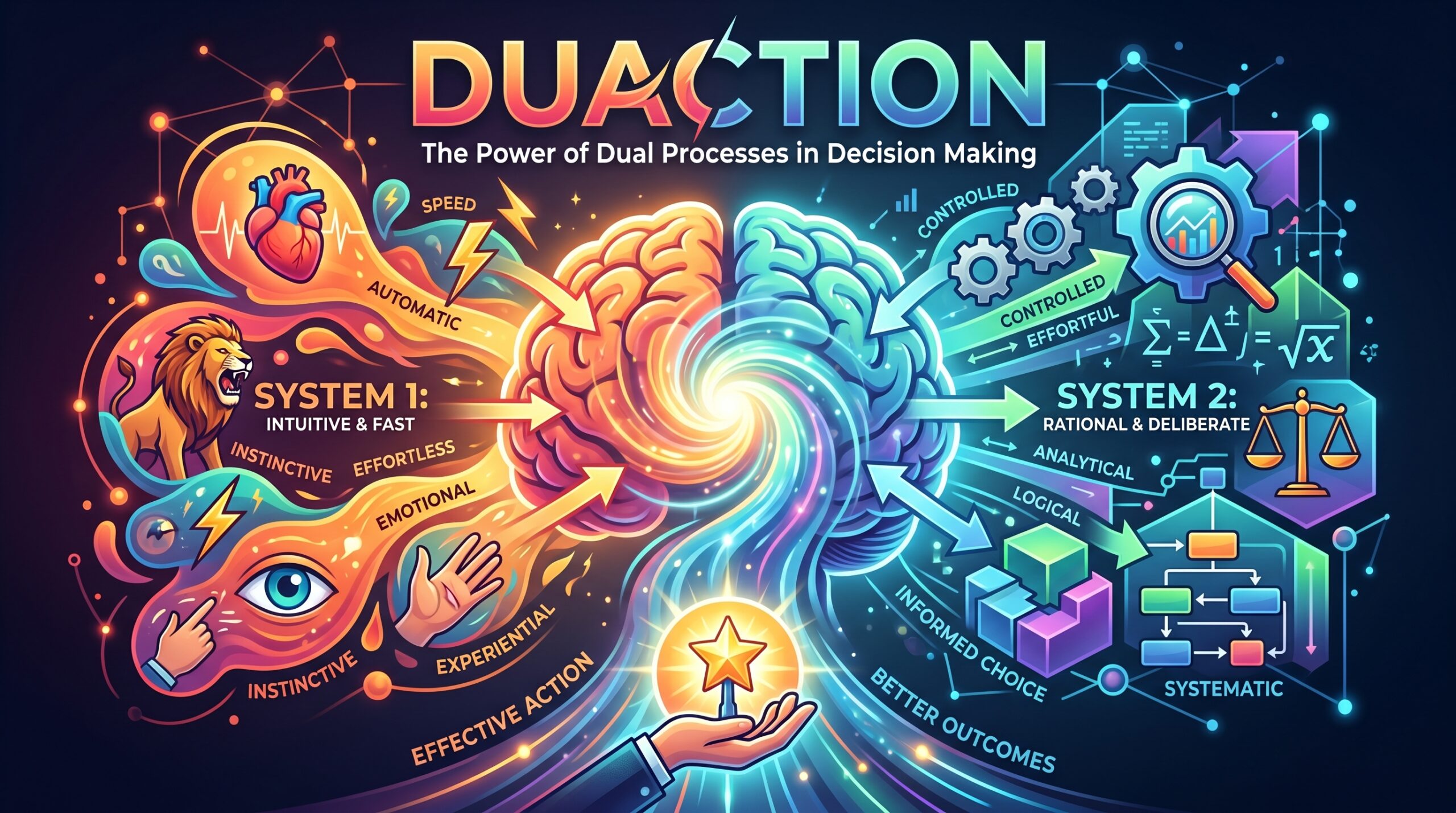
Decision making is a fundamental part of our daily lives. From small choices like what to have for breakfast to significant ones such as career changes, the process can often feel overwhelming. Enter duaction—a fascinating concept that highlights how we navigate these decisions through two distinct mental processes: intuitive and analytical thinking.
Imagine your brain as a dynamic duo working in harmony. One side reacts quickly, drawing on emotions and instincts, while the other carefully weighs options with logic and analysis. By understanding how these dual processes function together, we can elevate our decision-making skills and make more informed choices. Are you ready to explore the power of duaction? Let’s dive into this intriguing world where intuition meets reason!
What is Duaction?
Duaction is a concept that melds two ways of thinking into a cohesive approach to decision making. It combines intuitive and analytical processes, allowing individuals to tap into their instincts while also engaging in careful reasoning.
This duality enhances our ability to navigate complex choices. Instead of relying solely on gut feelings or extensive analysis, duaction encourages a balanced perspective.
The interplay between these systems can lead to more informed decisions. When faced with uncertainty, drawing from both intuition and logic becomes essential for clarity.
By recognizing how these processes work together, we empower ourselves to make better choices across various aspects of life—from personal dilemmas to professional challenges.
Intuitive and Automatic Decision Making
Intuitive and automatic decision making is a fascinating aspect of how we navigate daily choices. This process often occurs without our conscious awareness, functioning like an internal GPS guiding us through life’s myriad paths.
Think about those split-second reactions when you catch a falling object or choose your meal at a restaurant. These instinctive choices rely on prior experiences and emotions stored in the brain. They are quick, efficient, and often remarkably accurate.
This system draws from patterns learned over time, allowing for rapid responses to familiar situations. It’s as if your mind has developed shortcuts that save energy while still delivering effective outcomes.
However, this automaticity can sometimes lead us astray. Biases may creep in unnoticed, impacting judgment subtly yet significantly. Understanding the balance between intuition and reasoning becomes vital for navigating complex decisions effectively.
Analytical and Deliberative Decision Making
Analytical and deliberative decision-making involves a structured approach to problem-solving. This method relies on critical thinking, evaluating evidence, and weighing options carefully.
When faced with complex choices, individuals engage their analytical minds. They gather data, assess risks, and anticipate consequences. This systematic process can lead to more informed outcomes.
Deliberation adds another layer by allowing time for reflection. It encourages considering various perspectives and potential impacts before reaching a conclusion.
This combination fosters thorough understanding rather than impulsive reactions. People tend to feel more confident in their decisions when they have taken the time to analyze all factors involved.
In scenarios where stakes are high or outcomes uncertain, this dual approach proves particularly valuable. Emphasizing logic over emotion helps navigate challenging situations effectively while minimizing mistakes driven by bias or haste.
The Benefits of Incorporating Both Systems in Decision Making
Incorporating both intuitive and analytical systems into decision-making enhances our overall effectiveness. Each approach brings unique strengths, creating a well-rounded perspective.
Intuitive thinking allows for quick judgments based on experience. It can be particularly useful in fast-paced environments where time is limited. This instinctual response often leads to creative solutions that structured analysis may overlook.
On the other hand, analytical thinking digs deeper into details. It fosters thorough evaluation of options, weighing pros and cons meticulously. This method helps mitigate risks associated with impulsive choices.
By balancing these two processes, individuals can harness the speed of intuition while ensuring their decisions are grounded in logic. The synergy between duaction empowers us to navigate complex situations with confidence and clarity.
Embracing both pathways not only improves decision quality but also promotes adaptability in an ever-changing world.
Examples of Dual Process Theory in Real Life
Dual process theory can be observed in daily choices. Think about a time when you quickly decided what to eat versus the hours spent selecting a new car. The first choice ran on intuition, while the latter required careful analysis.
Consider driving. You rely on automatic responses for familiar routes but engage your analytical side when navigating through an unfamiliar city.
Social situations often highlight this dynamic too. When meeting someone new, you might form an immediate impression based on instinctual judgments while also evaluating their opinions and behavior more critically as the conversation progresses.
Shopping offers another clear example. Impulse buys occur without much thought, driven by emotions or advertisements, whereas purchasing a house involves thorough research and weighing various factors such as price and location. This interplay of rapid decisions and thoughtful reasoning shapes our everyday experiences significantly.
Overcoming Biases with Dual Process Thinking
Biases often cloud our judgment, leading to decisions that may not reflect reality. By harnessing dual process thinking, we can counteract these biases more effectively.
The intuitive system acts quickly but can be prone to errors. It’s essential to recognize when this automatic response kicks in. Awareness allows us to pause and reconsider our choices.
Shifting into the analytical mode enables deeper reflection on our thoughts. This deliberate approach requires effort but helps unearth assumptions driving our decisions.
By alternating between these two systems, we cultivate a healthier decision-making environment. It encourages questioning and challenges preconceived notions.
Incorporating both processes fosters a balanced perspective, opening pathways for better outcomes in various aspects of life—from personal relationships to professional dilemmas. Each decision becomes an opportunity for growth rather than a mere reaction influenced by bias.
Embracing the Power of Dual Processes for Better Decision Making
Embracing duaction can transform how we make decisions. By harnessing both intuitive and analytical processes, we create a balanced approach to problem-solving.
Intuition often provides quick insights based on experience. It allows us to respond rapidly in situations where time is critical. However, relying solely on gut feelings can lead to impulsive choices.
Analytical thinking complements intuition by encouraging thorough evaluation of options. This method requires patience and careful consideration but leads to more informed outcomes.
Combining these two systems fosters creativity while minimizing the risk of bias. When faced with complex issues, switching between intuition and analysis enables deeper understanding.
Cultivating awareness of our thought processes enhances decision-making skills. Practicing this duality in everyday choices empowers individuals to navigate challenges effectively and confidently without feeling overwhelmed by uncertainty or pressure.
Conclusion
Decision-making is an intricate process, shaped by both intuition and analysis. Embracing the concept of duaction allows individuals to harness the strengths of dual processes, leading to more balanced and informed choices.
By recognizing when to trust our gut feelings and when to engage in deeper thought, we can navigate complex situations with greater confidence. The synergy between intuitive and analytical thinking not only enhances personal decision-making but also fosters better outcomes in professional environments.
As we continue to explore this powerful approach, integrating both systems into our daily lives can lead us toward clearer paths and smarter decisions. Understanding and applying duaction opens doors for improved judgment that benefits everyone involved.
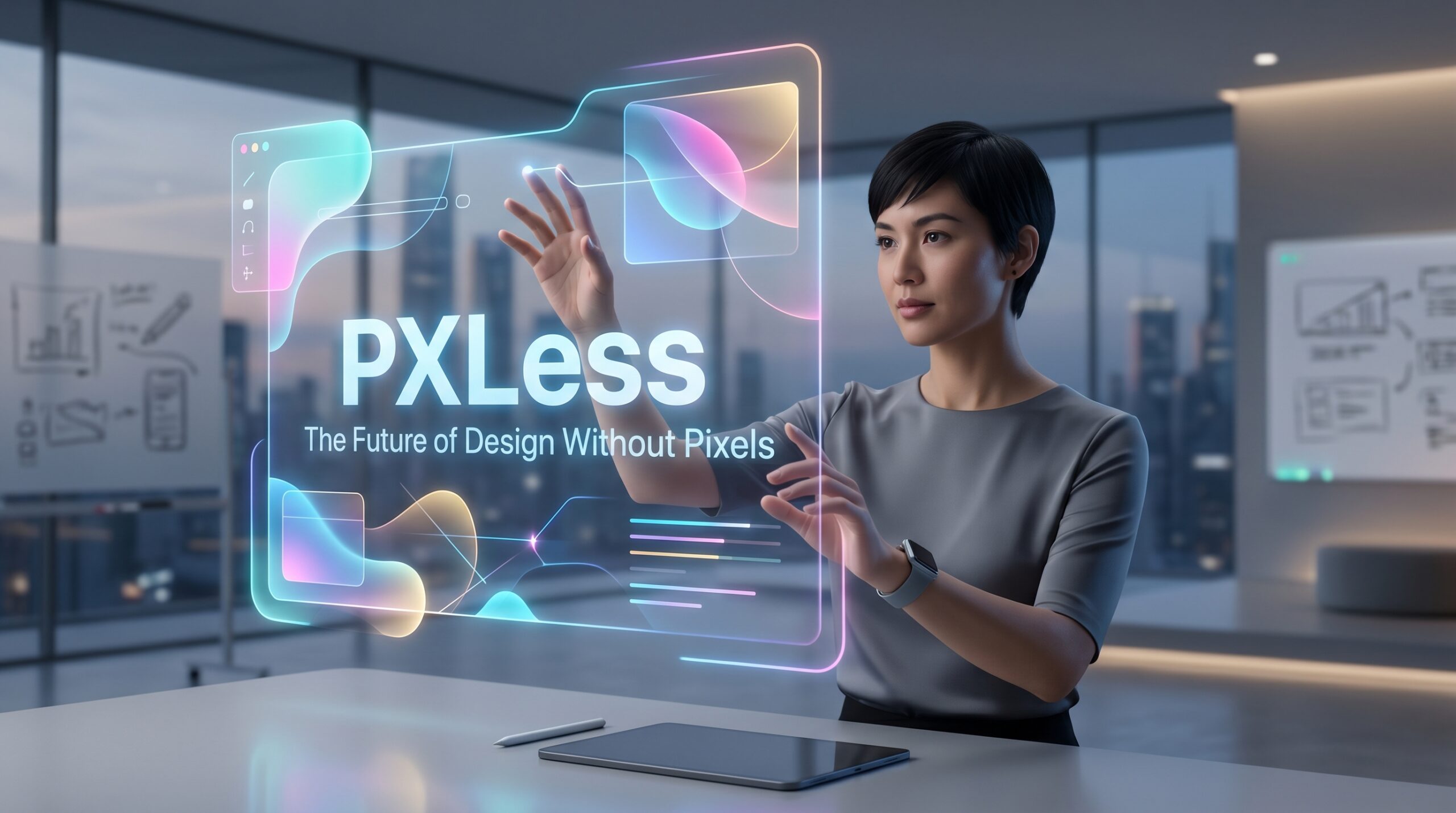
In a world increasingly driven by technology, the way we design is evolving at an unprecedented pace. Enter PXLess—a bold concept that promises to redefine our creative landscape. Imagine a realm where designs are no longer constrained by pixels, opening up endless possibilities for artists and designers alike. As digital experiences become more immersive, understanding this shift is crucial. Let’s dive into what PXLess means for the future of design and why it might be the game-changer we’ve all been waiting for.
What is PXLess?
PXLess is an innovative approach to design that transcends traditional pixel-based frameworks. It emphasizes fluidity and adaptability, redefining how we perceive visual elements in the digital realm.
Instead of relying on fixed pixel dimensions, PXLess leverages scalable units like vectors and flexible layouts. This allows designs to seamlessly adjust across different devices and screen sizes. The result? A more inclusive user experience.
By eliminating pixels from the equation, designers can focus on creating visually stunning work without being confined by rigid structures. This method champions creativity while enhancing functionality.
As technology evolves, so does our understanding of design principles. PXLess represents a shift towards a more dynamic future where aesthetics meet practicality in unprecedented ways.
The limitations of pixels in design
Pixels have long been the building blocks of digital design. They provide a familiar framework for creating visuals, but they come with inherent limitations.
One major drawback is resolution dependency. Designs created at one size may not translate well across different devices or screen sizes. This leads to blurry images or awkward layouts when scaling occurs.
Additionally, pixels can restrict creativity. Designers often find themselves confined within a grid system that prioritizes uniformity over innovation. This rigidity stifles experimentation and unique expression in visual storytelling.
The color depth offered by pixel-based designs can also be problematic. When working with gradients or shadows, subtle differences often get lost in translation due to limited pixel representation.
As technology evolves toward more immersive experiences like virtual reality and augmented reality, the reliance on pixels feels increasingly outdated. The need for flexibility and adaptability has never been more apparent in design practices today.
How PXLess works and its benefits
PXLess operates on the principle of using scalable vector graphics instead of traditional pixel-based designs. This approach allows for infinite resolution without compromising quality. Designers can create assets that look sharp on any screen size, whether it’s a smartphone or a large monitor.
One major benefit is flexibility. PXLess enables smoother scaling and manipulation, allowing designers to adjust components easily without losing clarity. This saves time in the design process.
Additionally, PXLess promotes faster load times on websites and applications. With smaller file sizes compared to pixel-heavy images, users experience seamless interactions.
Another advantage is consistency across devices. Designs remain uniform regardless of resolution changes or display settings, enhancing user experience significantly.
Embracing PXLess also supports sustainability efforts in digital design by reducing data consumption associated with high-resolution images. The impact this has aligns well with eco-friendly trends in technology today.
Real-life examples of PXLess design
Real-life applications of PXLess design can be found across various industries. For example, many tech companies are now utilizing vector graphics instead of traditional pixel-based images. This shift allows their logos and branding materials to scale seamlessly on any device.
In the world of web design, platforms like Figma and Adobe XD have started embracing PXLess methodologies. Designers create layouts that adapt fluidly to different screen sizes without losing quality or clarity.
Another notable instance is in mobile app development. Many apps now employ responsive designs that prioritize flexibility over fixed dimensions, ensuring an optimal user experience regardless of the user’s device.
Even fashion brands are getting in on the trend by using digital fabric prints created through generative algorithms. These patterns maintain their sharpness at any size, offering a fresh take on textile design without being constrained by pixels.
The impact of PXLess on the design industry
The introduction of PXLess is shaking up the design industry in profound ways. Designers are now free from the constraints of pixels, allowing for more fluid and organic shapes. This paradigm shift encourages creativity to flourish without rigid boundaries.
With PXLess, responsiveness becomes easier. Designs adapt seamlessly across various devices and screens, enhancing user experience significantly. It opens doors for a new wave of interactive designs that feel natural and engaging.
Moreover, collaboration among teams has improved dramatically. Designers can share concepts without worrying about pixel perfection. This fosters innovation as ideas evolve rapidly in an agile environment.
Clients benefit too; they receive personalized experiences tailored to their preferences rather than static visuals confined by pixel limitations. The ripple effect is undeniable—PXLess not only changes how designers think but also redefines what’s possible within the digital landscape.
Challenges and concerns surrounding PXLess
As with any innovative concept, PXLess brings its own set of challenges. One primary concern is the transition for designers accustomed to pixel-based methods. Adapting to a new paradigm can be daunting.
Additionally, there are questions about compatibility with existing tools and software. Many design platforms still heavily rely on pixels as a fundamental measurement unit.
Another significant issue is the potential for miscommunication between teams. When visuals shift from pixel-based designs to a more fluid approach, ensuring everyone understands the intent becomes crucial.
There’s skepticism about user acceptance. Will audiences embrace this change? Understanding how users interact with non-pixelated designs could take time and experimentation.
These hurdles must be addressed if PXLess is to gain wider traction in the design community. The journey ahead may require patience as stakeholders navigate these uncharted waters.
Future possibilities for PXLess in design
The future of PXLess in design holds exciting possibilities. As technology continues to evolve, designers may harness advanced algorithms and AI to create more dynamic, adaptable designs.
Imagine interfaces that fluidly adapt to user preferences without the constraints of pixel-based resolutions. This opens doors for hyper-personalized experiences where content morphs seamlessly based on user interactions.
Furthermore, with augmented reality gaining traction, PXLess can redefine how we visualize environments. Imagine overlaying digital elements onto physical spaces without worrying about pixel density or screen size.
Collaboration could also see a transformation; teams across the globe might work together in real-time on fluid designs instead of static images. This could encourage a new wave of creativity and innovation that is currently limited by traditional design paradigms.
As sustainability becomes vital, adopting a PXLess approach may contribute to reducing digital waste related to outdated visual formats. The potential is boundless as we move toward this innovative frontier in design.
The evolution towards a pixel-free world
As technology advances, the design landscape is rapidly transforming. The shift towards a pixel-free world is not just a trend; it’s a necessity for modern creators.
With increased screen resolutions and varying device sizes, reliance on pixels leads to inconsistencies in visual experiences. Designers are now exploring fluid shapes and scalable elements that adapt seamlessly across platforms.
Emerging tools prioritize vector graphics and mathematical expressions over traditional pixel-based methods. This allows for precision that can be resized without loss of quality.
Moreover, augmented reality (AR) and virtual reality (VR) demand new paradigms in design thinking. They open up realms where spatial dimensions take precedence over flat images.
The transition challenges designers to think beyond conventional boundaries while embracing innovative possibilities. As these shifts continue, we might see an entirely new approach to how digital spaces are created and experienced.
Conclusion
As the design landscape continues to evolve, the emergence of PXLess offers a glimpse into a future where traditional pixels may no longer dominate our creative processes. By breaking free from pixel constraints, designers can explore new dimensions and possibilities for their work. This shift could lead to more fluid designs that adapt seamlessly across various platforms and devices.
The adoption of PXLess represents not just a technical advancement but also a philosophical shift in how we perceive and create visual content. It encourages innovation while posing challenges that need careful consideration. As the industry grapples with these changes, one thing remains clear: embracing PXLess might be key to unlocking unprecedented creative potential.
With ongoing advancements in technology and design methodologies, the journey toward a pixel-free world is set to reshape not only individual projects but also entire industries. The excitement surrounding this evolution reflects a collective desire for growth, adaptability, and creativity without boundaries.
-

 Entertainment5 months ago
สล็อต pg368.net: The Ultimate Guide to Online Slot Gaming
-

 Blog4 months ago
Culinary Delights Around Маријин Трг: Where to Eat and Drink
-

 Tips & guides5 months ago
Jipinfeiche: A Deep Dive into Its Origins and Significance
-

 Entertainment5 months ago
What’s Your Favorite Sport?
-

 Sports5 months ago
The Physical Demands of the Soccer Player
-

 Sports5 months ago
Sport Specific Training: Soccer
-

 Sports5 months ago
Super Bowl Madness: The Indianapolis Colts vs. The New Orleans Saints
-

 Entertainment5 months ago
Albfilm24: How It Stands Out in a Sea of Streaming Services