
Health & Wellness
Understanding Bursitis: Causes, Symptoms, and Treatment Options

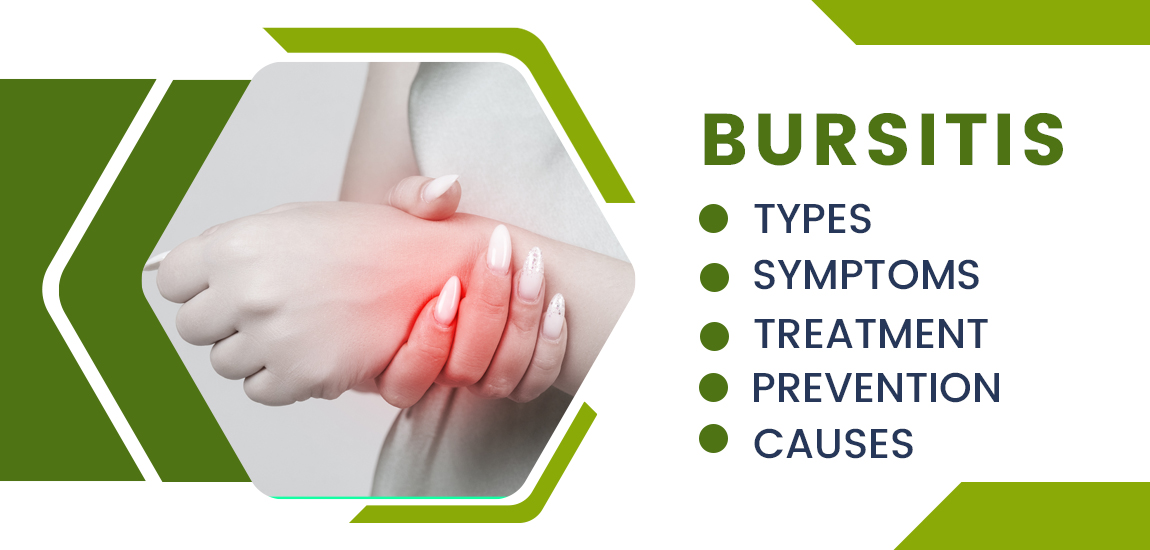
Bursitis might not be a household name, but it certainly can disrupt your daily life. Imagine waking up with pain and swelling in your joints that makes even the simplest tasks feel like climbing a mountain. Bursitis is often misunderstood, yet it affects countless people each year. Whether you’re an athlete pushing your limits or someone who enjoys weekend gardening, understanding this condition is crucial for finding relief and moving forward. In this blog post, we’ll explore what bursitis really is, its common causes, symptoms to watch for, and treatment options available to help you regain control of your life. Let’s dive into the world of bursitis together!
What is Bursitis?
Bursitis is the inflammation of a bursa, a small fluid-filled sac that cushions bones, tendons, and muscles near joints. These sacs help reduce friction during movement. When they become irritated or inflamed, it leads to pain and discomfort. Bursitis can occur in various parts of the body but is most common in areas like the shoulder, elbow, hip, and knee.
The condition often arises from repetitive motions or prolonged pressure on a joint. It may also develop due to injury or underlying health issues such as arthritis. Understanding what bursitis entails helps individuals recognize symptoms early. Timely awareness can lead to effective management strategies for relief.
Common Causes of Bursitis
Bursitis commonly arises from repetitive motion. Activities like running, painting, or playing sports can strain the bursaesmall fluid-filled sacs that cushion bones and tendons. Injury is another significant contributor. A fall or bump to a joint can lead to inflammation in the bursa, causing discomfort and swelling.
Underlying conditions also play a role. Arthritis, gout, and infections can trigger bursitis flare-ups by affecting the surrounding tissues. Age is a factor too. As we age, our bodies become less resilient to stressors. This increased vulnerability makes older adults more prone to developing bursitis.
Poor posture contributes as well. Sitting incorrectly for long periods can place undue pressure on joints and lead to irritation of the bursae over time. Recognizing these causes helps us identify risks early on and take proactive steps toward prevention.
Signs and Symptoms of Bursitis
Bursitis can manifest with a range of signs that may vary from person to person. Commonly, individuals experience localized pain around the affected joint. This discomfort often worsens with movement or pressure.
Swelling in the area is another key indicator. You might notice redness and warmth as inflammation sets in. These symptoms are particularly prominent over joints like the shoulder, elbow, or hip.
Limited mobility is also common. Simple actions such as reaching for an object or sitting down can become challenging due to stiffness and pain.
Sometimes you may feel tenderness when touching the affected area. Even simple activities can trigger a sharp sensation, reminding you that something isn’t quite right.
Pay attention if these symptoms persist or worsen. Early recognition plays a crucial role in effective management and treatment options moving forward.
Diagnosis and Treatment Options
Diagnosing bursitis typically involves a thorough physical examination and discussion of your medical history. Doctors often check for swelling, tenderness, and range of motion in the affected area.
Imaging tests like X-rays or MRIs may be ordered to rule out other conditions. These scans help visualize inflammation around the bursa, confirming the diagnosis.
Treatment options vary depending on severity. Resting the affected joint is crucial to prevent further irritation. Ice therapy can reduce swelling and alleviate pain.
Over-the-counter medications such as ibuprofen or naproxen are commonly recommended for pain relief and inflammation reduction. In more severe cases, corticosteroid injections may be considered to provide quicker relief.
Physical therapy is another effective option that focuses on strengthening muscles around the joint while improving flexibility. This approach not only aids recovery but also helps prevent future flare-ups.
Prevention Tips for Bursitis
Preventing bursitis involves being mindful of your body and its movements. Start with proper warm-ups before engaging in physical activities. Stretching can help prepare your muscles and joints for action.
Maintaining a healthy weight reduces stress on your joints, which is crucial for preventing inflammation in the bursa sacs. Incorporate low-impact exercises like swimming or cycling into your routine to minimize strain.
If you have a job or hobby that requires repetitive motions, take regular breaks. This allows time for recovery and decreases the risk of irritation. Using ergonomic tools can make a significant difference too. Whether at work or home, adjust equipment to suit your posture better. Listen to your body. If you feel pain or discomfort during any activity, stop immediately to prevent further injury while addressing any underlying issues promptly.
Alternative Therapies for Bursitis
Alternative therapies can offer significant relief for those dealing with bursitis. Many individuals turn to acupuncture, which focuses on stimulating specific points in the body to reduce pain and inflammation.
Another popular option is physical therapy. Tailored exercises help improve flexibility and strength while minimizing discomfort. Gentle stretches can also promote better joint function.
Herbal remedies may provide additional support as well. Turmeric, known for its anti-inflammatory properties, is often incorporated into diets or taken as supplements.
Additionally, mindfulness practices like yoga and meditation can aid in managing stress associated with chronic pain conditions. These approaches not only help alleviate symptoms but also foster a sense of overall wellness. It’s worth exploring these alternatives alongside traditional treatments to find what works best for you.
Living with Bursitis and Finding Relief
Living with bursitis can be challenging. The pain and discomfort may make daily tasks feel overwhelming. Simple activities like climbing stairs or lifting objects might become daunting.
Finding relief starts with understanding your body’s limits. Rest is crucial, allowing the inflamed bursa to heal. Ice packs can reduce swelling and numb the area temporarily.
Incorporating gentle stretches into your routine promotes flexibility without aggravating the joint. Physical therapy often provides tailored exercises that strengthen surrounding muscles, offering extra support.
Over-the-counter medications help manage pain effectively for many people. Topical treatments may also provide targeted relief where it’s needed most.
Seeking support from friends or family creates a network of encouragement during tough days. Sharing experiences with others who understand can lighten the emotional load as you navigate this condition each day.
Conclusion
Bursitis can be a frustrating condition that affects daily activities and quality of life. Understanding what bursitis is, its causes, symptoms, and treatment options opens the door to managing this ailment effectively. By recognizing early signs and seeking timely intervention, individuals can alleviate discomfort and prevent further complications.
Taking proactive steps towards prevention such as maintaining proper posture during physical activities or incorporating strength training can significantly reduce the risk of developing bursitis. Exploring alternative therapies also provides additional avenues for relief beyond traditional medical treatments.
Living with bursitis requires a multifaceted approach that includes self-care strategies and possibly lifestyle adjustments. With the right knowledge and support system in place, those affected by bursitis can find ways to cope with their symptoms while continuing to lead an active life. Remember that every individual’s experience may vary; thus, personalizing your treatment plan is essential for achieving optimal health outcomes.

In the ever-evolving landscape of wellness, ancient remedies are making a dramatic comeback. Among these time-honored herbs is foenegriek, a powerhouse that has captivated health enthusiasts and nutritionists alike. This little-known gem boasts an impressive array of benefits that have been cherished for centuries. Whether you’re looking to enhance your diet or explore natural healing methods, foenegriek could be the key ingredient you’ve been missing. Join us as we dive into the fascinating world of this remarkable herb and uncover why it’s creating such a buzz in modern wellness circles.
What is Foenegriek?
Foenegriek, known as fenugreek in English, is a herb that has gained popularity for its remarkable health benefits. This plant features small, yellow-brown seeds that possess a distinct aroma and flavor.
Commonly used in cooking, particularly in Indian cuisine, foenegriek adds depth to dishes like curries and spice blends. Its slightly bitter yet nutty taste makes it unique.
Beyond culinary uses, foenegriek boasts an impressive nutritional profile. Packed with vitamins A, C, and K along with minerals such as iron and magnesium, this ancient herb supports overall wellness.
With roots tracing back to ancient civilizations like Egypt and Greece, foenegriek has stood the test of time. Today’s interest reflects a growing awareness of natural remedies within modern wellness practices.
History and Origins of Foenegriek
Foenegriek, known as fenugreek in English, has a rich history that dates back thousands of years. This herb traces its origins to the Mediterranean region and parts of Asia. Ancient Egyptians revered foenegriek for both culinary and medicinal purposes.
The seeds were often found in tombs, suggesting their importance in rituals and daily life. In Ayurvedic medicine, foenegriek was utilized to balance bodily functions and promote overall well-being.
Greek scholars like Hippocrates recognized its health benefits, using it to treat various ailments. Its popularity spread across cultures, with each civilization embracing its unique properties.
Today, foenegriek retains its esteemed status but is gaining renewed attention as modern wellness trends revive interest in ancient remedies. The journey of this humble herb continues to evolve as more people discover its potential benefits.
Nutritional Benefits and Uses of Foenegriek
Foenegriek, often known as fenugreek, packs a nutritional punch. It is rich in vitamins A, C, and K. Additionally, it contains essential minerals like iron, magnesium, and potassium.
This herb is also an excellent source of fiber. This can aid digestion and promote gut health. Many people turn to foenegriek for its potential role in regulating blood sugar levels.
In culinary applications, the seeds add a unique flavor to dishes. They work well in curries or spice blends and can even be brewed into herbal teas.
Beyond cooking, foenegriek extracts are popular in supplements aimed at boosting lactation among nursing mothers. Athletes may use it for energy and stamina enhancement during workouts due to its various health benefits.
With so many uses across different areas of wellness and nutrition, it’s no wonder that foenegriek continues to gain popularity today.
How to Incorporate Foenegriek into Your Diet
Adding foenegriek to your diet is easy and rewarding. Its nutty flavor can enhance various dishes, making it a versatile ingredient.
Start with foenegriek seeds. You can toast them lightly to unlock their aroma before adding them to salads or grain bowls. They work well in spice blends too, perfect for curries and stews.
Ground foenegriek is another great option. Mix it into smoothies for added nutrition without altering the taste significantly. It also blends nicely into baked goods like breads and muffins.
If you prefer a simpler approach, consider steeping the seeds in hot water to make a soothing tea. This method extracts beneficial compounds while offering a comforting beverage.
Experiment with these suggestions based on your taste preferences; you’ll discover how easily this ancient herb fits into modern meals!
Foenegriek in Traditional Medicine and Modern Studies
Foenegriek has deep roots in traditional medicine, particularly within Ayurvedic and Unani systems. For centuries, practitioners have utilized this herb for its myriad health benefits. It was often prescribed to support digestive health, enhance lactation in nursing mothers, and even as a remedy for respiratory conditions.
Modern studies are beginning to validate many of these ancestral claims. Research highlights foenegriek’s potential role in regulating blood sugar levels and managing cholesterol. Some recent trials suggest that it may play a part in weight management by reducing appetite.
Moreover, the anti-inflammatory properties attributed to foenegriek are gaining attention among scientists. This ancient herb offers a fascinating blend of historical reverence and contemporary interest, bridging the gap between traditional healing practices and modern science. The exploration into its effectiveness continues to unfold with promising results emerging from various clinical studies.
Potential Side Effects and Precautions
While foenegriek offers numerous health benefits, it’s essential to be aware of potential side effects.
Some individuals may experience digestive issues like bloating or gas when consuming this herb. Starting with small amounts can help mitigate these symptoms.
Allergic reactions are also possible. If you have a history of allergies, especially to legumes or plants in the Fabaceae family, it’s wise to proceed with caution.
Pregnant and breastfeeding women should consult healthcare professionals before using foenegriek. Its phytoestrogen content might affect hormone levels, which warrants careful consideration during pregnancy.
If you’re on medication, particularly for diabetes or blood thinners, talk to your doctor first. Foenegriek can interact with certain drugs and alter their effectiveness.
Staying informed about these precautions ensures that you enjoy the benefits of foenegriek safely and effectively.
The Power of this Ancient Herb in Modern Health and Wellness
Foenegriek is gaining traction in the realm of modern health and wellness, captivating those seeking natural remedies. This ancient herb offers a treasure trove of benefits that resonate with contemporary lifestyles.
Packed with vitamins, minerals, and antioxidants, it supports various bodily functions. From aiding digestion to boosting lactation in nursing mothers, its versatility is impressive.
Moreover, foenegriek’s potential role in regulating blood sugar levels has piqued interest among those managing diabetes. The anti-inflammatory properties also contribute to overall well-being.
As wellness enthusiasts look for holistic solutions, incorporating foenegriek into daily routines can be both simple and rewarding. Whether as a spice or supplement, this herb bridges the gap between traditional practices and modern nutrition. Its rich history enriches today’s understanding of natural healing methods while offering new possibilities for health optimization.
Conclusion
Foenegriek is more than just an ancient herb; it’s a powerful ally in modern wellness. With roots steeped in history, this versatile plant offers a plethora of nutritional benefits that can support various aspects of health. From its rich nutrient profile to its applications in traditional medicine and contemporary studies, foenegriek has proven itself valuable.
Incorporating foenegriek into your diet is simple. Whether through seeds, powders, or supplements, there are numerous ways to enjoy its benefits. As you explore this remarkable herb, be mindful of any potential side effects and consult with healthcare professionals when necessary.
As interest in holistic health grows, foenegriek stands out as an ancient remedy finding renewed relevance today. Embracing this time-honored herb could enhance not only physical well-being but also contribute positively to your overall lifestyle choices. Discover the power of foenegriek for yourself and unlock new avenues for better health and vitality.

Discovering new superfoods can feel like finding hidden treasures in the vast world of nutrition. One such gem that’s been quietly making waves is pravi celer. While it may not yet be a household name, this remarkable vegetable is packed with benefits that might just surprise you. Imagine adding an ingredient to your meals that’s not only delicious but also brimming with nutrients! As we explore what makes pravi celer so special, you’ll see why it’s time to welcome this powerhouse into your kitchen and your diet. Get ready to unlock the secrets of this extraordinary superfood!
What is Pravi Celer?
Pravi celer is a remarkable vegetable that has recently been gaining attention in health circles. Often referred to as the “true celery,” this vibrant green plant boasts an array of beneficial properties.
Botanically, it belongs to the Apiaceae family and shares many characteristics with traditional celery but shines in its nutritional profile. With a crisp texture and refreshing taste, pravi celer offers versatility in culinary applications.
Unlike standard varieties, pravi celer is rich in essential vitamins and minerals such as vitamin K, folate, and potassium. Its unique flavor adds depth to dishes while promoting overall well-being.
As people become more conscious of their diets, incorporating superfoods like pravi celer can be a simple yet effective way to enhance nutrition. Whether used fresh or cooked, this superfood is set to make waves on dinner plates everywhere!
Health benefits of Pravi Celer
Pravi celer is packed with essential nutrients that can elevate your health. Rich in vitamins A, C, and K, it supports immune function and promotes skin health.
The presence of antioxidants helps combat free radicals. This means better overall cellular health and reduced inflammation.
Its high fiber content aids digestion. Regular consumption can help maintain a healthy gut and keep you feeling full longer.
Moreover, pravi celer has hydrating properties due to its high water content. Staying hydrated is crucial for optimal bodily functions.
For those managing weight or blood pressure, this superfood offers low calories while being nutrient-dense. It’s a perfect addition to any balanced diet without the guilt often associated with indulgent snacks.
Incorporating pravi celer into daily meals not only enhances flavor but also boosts nutritional intake significantly.
What makes Pravi Celer a superfood?
Pravi celer stands out as a superfood due to its exceptional nutrient profile. Packed with vitamins A, C, and K, it’s a powerhouse for maintaining healthy skin and boosting immunity.
The high fiber content supports digestive health, promoting regularity and aiding in weight management. This green gem also boasts antioxidants that combat oxidative stress, protecting your cells from damage.
What truly sets pravi celer apart is its low-calorie count combined with impressive hydration properties. With over 90% water content, it’s perfect for those seeking to stay refreshed while nourishing their bodies.
Incorporating this vegetable into meals not only enhances flavor but also delivers significant nutritional benefits without the extra calories. It’s no wonder that food enthusiasts are turning to pravi celer as an essential ingredient in their kitchens!
How to incorporate Pravi Celer into your diet
Incorporating pravi celer into your diet is both easy and delicious. Start by adding fresh leaves to salads for a crunchy texture and an earthy flavor. It pairs beautifully with other greens.
You can blend it into smoothies, where its subtle taste complements fruits like bananas or apples without overpowering them. Just toss in a handful for added nutrients.
For soups or stews, consider using pravi celer as a base ingredient. Its natural essence enhances the overall dish while boosting health benefits.
Moreover, try sautéing chopped stems with garlic and olive oil as a quick side dish. This preparation highlights its unique flavors while keeping it nutritious.
Don’t forget about snacking! Pair raw pravi celer sticks with hummus or dips for a refreshing treat throughout the day. There are endless possibilities waiting to be explored!
Recipes using Pravi Celer
Pravi celer is versatile and can elevate a variety of dishes. Try adding it to your morning smoothie for an extra nutrient boost. Blend it with spinach, banana, and almond milk for a refreshing start to the day.
For lunch, consider making a vibrant salad. Combine diced pravi celer with cherry tomatoes, cucumber, and feta cheese. A splash of olive oil and lemon juice will tie all the flavors together beautifully.
Dinner can feature pravic celer as well. Sauté it alongside garlic and onions before tossing in pasta or grains for added texture and flavor.
Don’t forget about snacks! Dip fresh pravi celer sticks into hummus or guacamole for a healthy crunch between meals. This superfood’s crispness makes it perfect for pairing with dips you love.
Experimenting with these recipes allows you to enjoy the health benefits while savoring delicious flavors every day.
Where to find and buy Pravi Celer
Finding pravi celer is easier than you might think. This unique superfood is gaining popularity among health enthusiasts and can be found in various places.
Local farmers’ markets are a treasure trove for fresh produce, including pravi celer. You can often chat with the growers about their farming practices and get tips on preparation too.
Health food stores may also stock this vibrant vegetable. Look for specialty shops that emphasize organic or locally sourced items.
Online options abound as well. Many retailers offer deliveries of fresh produce right to your doorstep, making it convenient to enjoy the benefits of pravi celer without leaving home.
Don’t forget to check grocery store chains; some have sections dedicated to superfoods where you might spot this gem lurking among other nutritious offerings.
The future of Pravi Celer as a superfood
Pravi celer is gaining traction as a superfood in today’s health-conscious world. More consumers are seeking nutrient-dense options, and this unique vegetable fits the bill perfectly.
As interest grows, researchers are exploring its full potential. Studies on its benefits may reveal even more reasons to include it in our diets. The versatility of pravi celer makes it an appealing addition to various culinary traditions.
With the rise of plant-based diets, pravi celer is poised for popularity among food enthusiasts and chefs alike. Its distinct flavor can enhance dishes from salads to soups.
Sustainability also plays a role in its future appeal. As more people prioritize eco-friendly eating habits, incorporating locally sourced ingredients like pravi celer supports healthier ecosystems.
Expect innovative products featuring this superfood to emerge soon—from juices to snack bars—making it easier than ever for everyone to enjoy its numerous benefits.
Conclusion
Pravi celer is more than just a trendy ingredient; it’s a powerhouse of nutrition waiting to be discovered. With its impressive array of health benefits, including antioxidants and anti-inflammatory properties, incorporating this superfood into your daily meals can elevate your wellness journey.
As we learn more about the potential of foods like pravi celer, it’s clear that exploring new ingredients can lead us toward healthier lifestyles. The versatility in recipes makes it easy to enjoy its unique flavor while reaping all the rewards for our body.
With growing interest and availability, particularly in health food stores and online retailers, keeping an eye on the future possibilities of pravi celer seems promising. Embracing such superfoods could inspire many to take charge of their dietary choices for better health outcomes.

Asbestlint, or asbestos tape, is a term that often raises eyebrows and sparks concern. Many people may not realize just how prevalent this material was in homes and workplaces across the globe. Used for its heat resistance and insulating properties, asbestlint has unfortunately earned a notorious reputation due to its potential health risks. If you’re living or working in an older building, understanding what asbestlint is and recognizing its dangers can be crucial for your safety.
With many myths surrounding it, navigating the world of asbestos-related materials might seem daunting. But don’t worry; we’ll break down everything you need to know about asbestlint—from identifying it in your environment to ensuring safe handling practices—so you can protect yourself and those around you effectively. Let’s dive into the essential facts about this hidden hazard!
What is Asbestlint?
Asbestlint, or asbestos tape, is a type of material that was commonly used in construction and insulation. It consists of fibrous minerals known for their heat resistance and durability.
Often found in older buildings, asbestlint serves various purposes such as sealing joints or insulating pipes. Its ability to withstand extreme temperatures made it popular among builders.
However, what sets asbestlint apart is its composition. The fibers within this tape can become airborne when disturbed. This poses serious health risks to anyone exposed to them over time.
Identifying asbestlint requires caution since you might encounter it in unexpected places like attics or basements. Proper knowledge about its characteristics helps homeowners and workers recognize potential hazards effectively.
The Dangers of Asbestlint Exposure
Asbestlint poses significant health risks that should not be ignored. When disturbed, this material releases tiny fibers into the air. Inhaling these fibers can lead to serious respiratory issues.
Prolonged exposure is particularly dangerous. It has been linked to severe conditions such as asbestosis and lung cancer. Symptoms may take years to appear, making early detection challenging.
Even brief encounters with airborne asbestos particles can have lasting effects on your health. Often, symptoms like coughing or shortness of breath go unnoticed until the damage is already done.
It’s crucial to understand that even small amounts of exposure can be harmful. This awareness encourages proactive measures for safety in homes and workplaces where asbestlint might be present.
How to Identify Asbestlint in Your Home or Workplace
Identifying asbestlint can be challenging, especially in older buildings. This material often resembles fabric and is typically gray or white.
Look for it in areas that might have been insulated, such as around pipes or ducts. It’s also commonly found in walls and ceilings of structures built before the 1980s.
Check for any fraying edges or visible damage; these are signs that the material may be deteriorating. If you suspect a product contains asbestlint but aren’t sure, avoid disturbing it.
Keep an eye out for warning labels on materials too. Many manufacturers marked their products to indicate asbestos content.
If you’re uncertain about what you find, consult with professionals who specialize in asbestos inspection and testing. They can provide clarity and ensure safety measures are properly followed during identification processes.
Safety Precautions for Handling Asbestlint
When handling asbestlint, safety should be your top priority. Always wear appropriate protective gear. This includes a high-quality respirator, gloves, and disposable coveralls to minimize exposure.
Ensure the area is well-ventilated. If possible, work outdoors or use an air filtration system indoors to reduce airborne fibers.
Avoid dry sweeping or vacuuming with standard vacuums; these methods can release harmful particles into the air. Instead, use wet methods to dampen the material before removal.
Seal any disturbed asbestlint in airtight containers for safe disposal. Keep the workspace isolated from others to prevent accidental exposure.
Regularly wash hands and change clothes after working with asbestlint to avoid contaminating other areas of your home or workplace. Awareness and preparation are key elements in ensuring everyone’s safety when dealing with this hazardous material.
Health Risks and Symptoms of Asbestlint Exposure
Asbestlint exposure poses significant health risks that can manifest years after initial contact. The fibers, when inhaled or ingested, can lead to serious respiratory issues.
Common symptoms include persistent cough and chest pain. Shortness of breath often develops as the lungs struggle to function properly.
Some individuals may experience fatigue or unexplained weight loss. These signs can be subtle at first but should not be ignored.
Long-term exposure increases the risk of developing mesothelioma, a rare cancer primarily affecting the lining of the lungs. Asbestosis is another potential outcome, causing irreversible lung damage over time.
If you suspect any signs related to asbestlint exposure, seeking medical advice is crucial for early detection and intervention. Awareness is key in managing these risks effectively while protecting your health.
Proper Removal and Disposal of Asbestlint
When it comes to asbestlint, proper removal and disposal are crucial. Handling this material without the right precautions can be hazardous. Always wear protective gear, including respirators and gloves.
Before starting any removal process, ensure you seal off the area. This minimizes dust spread to other parts of your home or workplace. Use plastic sheeting for containment.
Cutting asbestlint should be done gently to prevent fiber release. Keep materials damp during removal to reduce airborne particles. Carefully place removed sections in sealed bags labeled “Asbestos Waste.”
After securing everything, contact a licensed asbestos abatement professional for disposal. They have the training and equipment needed to handle such materials safely according to local regulations.
Improper disposal can lead not only to health risks but also legal consequences. Always prioritize safety over convenience when dealing with asbestlint issues in your environment.
Regulations and Laws Surrounding Asbestlint
Asbestlint is regulated under strict laws due to the serious health risks associated with its exposure. Various countries have implemented guidelines to manage and control asbestos materials in both residential and commercial properties.
In many regions, the use of asbestlint has been banned or severely restricted. These regulations aim to prevent any new installations and ensure safety during renovations or demolitions.
Property owners must follow specific protocols when dealing with existing asbestlint. This typically includes notifying local authorities before beginning removal or renovation work.
Additionally, workers handling asbestlint need appropriate training and certifications. Compliance with occupational safety standards is crucial for minimizing risk on job sites.
Regular inspections may be mandated for buildings known to contain asbestlint, ensuring that any potential hazards are identified swiftly. Understanding these regulations is vital for anyone involved in property management or construction activities where asbestos might be present.
Alternative Materials to Replace Asbestlint
When considering alternatives to asbestlint, there are several safe and effective materials available. These options provide similar benefits without the associated health risks.
Fiberglass is a popular substitute. It offers excellent insulation properties and is resistant to fire. This makes it a great choice for both residential and commercial applications.
Another alternative is cellulose insulation, made from recycled paper products. It’s eco-friendly and provides good thermal performance while being non-toxic.
Mineral wool is also worth mentioning. Composed of natural or synthetic fibers, it offers soundproofing qualities along with resistance to heat and fire.
Cotton insulation has emerged recently as well, offering an organic option that’s biodegradable and safe for indoor air quality.
Each of these materials presents unique advantages that can meet various building needs while ensuring safety in homes and workplaces alike.
Conclusion
Asbestlint, often found in older buildings and materials, presents significant risks if not handled properly. Understanding what asbestlint is and how to identify it can help you protect yourself and those around you. From recognizing its presence to implementing safety precautions during handling, being informed is essential.
The health implications of exposure are serious; symptoms may not appear until years later. Therefore, awareness of the signs and proper removal methods cannot be understated. It’s also important to stay updated on regulations surrounding asbestlint since laws evolve over time to prioritize public safety.
For those looking for alternatives, several modern materials offer safer options without compromising quality or efficiency. Making informed choices will ensure that your living or working environment remains safe from the dangers associated with asbestlint exposure.
Taking proactive steps can safeguard your health and the well-being of others while promoting a secure environment free from hazardous substances like asbestlint.
-

 Entertainment5 months ago
สล็อต pg368.net: The Ultimate Guide to Online Slot Gaming
-

 Blog4 months ago
Culinary Delights Around Маријин Трг: Where to Eat and Drink
-

 Tips & guides5 months ago
Jipinfeiche: A Deep Dive into Its Origins and Significance
-

 Sports5 months ago
The Physical Demands of the Soccer Player
-

 Entertainment5 months ago
What’s Your Favorite Sport?
-

 Sports5 months ago
Sport Specific Training: Soccer
-

 Sports5 months ago
Super Bowl Madness: The Indianapolis Colts vs. The New Orleans Saints
-

 Entertainment5 months ago
Albfilm24: How It Stands Out in a Sea of Streaming Services